

Furniture storage during a renovation works when you treat it as a controlled workflow: decide what leaves the villa, pack by material risk, select storage based on humidity and access, document condition, then return items in the same order you removed them. This matters in Sharjah because humidity and long “muggy” seasons increase the risk of odor, mold, and warping when furniture is sealed incorrectly or stored in non-controlled spaces.
Why do you need a storage plan during a villa renovation?
You need a plan because renovation work creates three predictable hazards:
1. Particulate load
Demolition, sanding, plastering, and tile cutting generate fine dust that penetrates fabric, drawers, and electronics vents.
2. Chemical exposure
Paint, varnish, adhesives, and grout haze can off-gas and settle on surfaces, especially in closed rooms.
3. Impact and abrasion risk
Contractors moving ladders, boards, and tools through hallways increases scratches on corners, door frames, and stair edges.
A storage plan reduces these hazards by moving “damage-sensitive” items out early and keeping “site-essential” items staged in a single protected room.
When should you move furniture into storage based on renovation timeline?
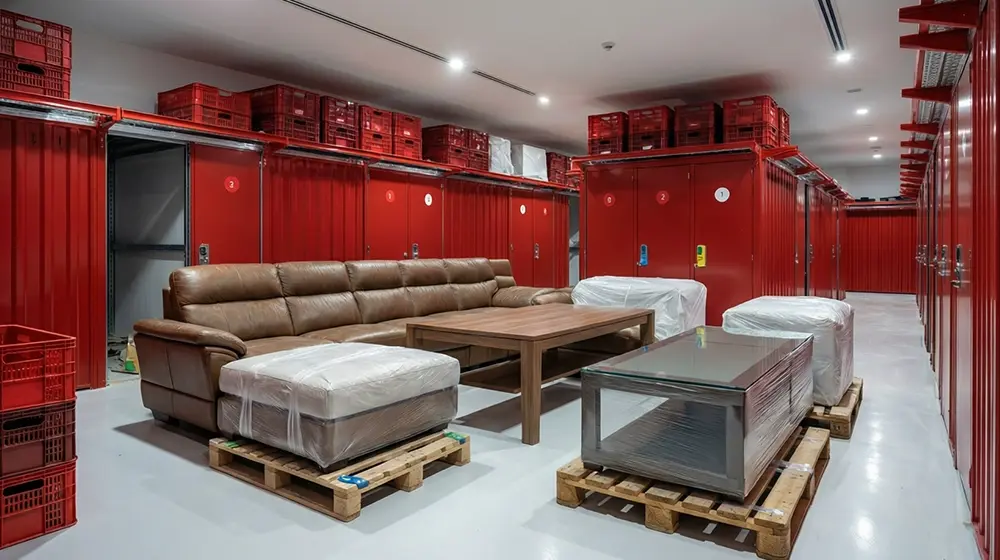
Move furniture into storage before the first high-dust activity starts (demolition, sanding, ceiling work), not after. A practical timeline:
- 7–10 days before demolition: inventory, decide what stays vs leaves, confirm storage option, get packing materials.
- 2–3 days before demolition: disassemble large pieces, pack fragiles, move to storage (or to the protected staging room).
- During renovation: keep only low-risk essentials on-site; re-check storage condition monthly.
- After snagging and deep clean: return furniture after paint cure and dust clearance.
Humidity risk is not theoretical, Sharjah experiences a long muggy season, and monthly humidity patterns can be high enough to create moisture problems if furniture is sealed without breathability.
Step-by-step plan for storing furniture during renovation
Step 1 — Decide what should be stored vs staged on-site
Store (recommended):
- Sofas, mattresses, rugs, curtains (odor + moisture risk)
- Wood furniture (wardrobes, sideboards) if rooms will be painted/plastered
- Electronics (TVs, consoles, printers) if sanding/dust is expected
- Glass tops, mirrors, artwork (impact risk)
Stage on-site (only if necessary):
- Daily-use essentials you cannot live without
- Items needed for contractors (e.g., one table for plans)
Condition: staged items must be isolated in one protected room.
Staging rule: one “clean room,” sealed with plastic sheeting and taped edges, with a clear no-tools/no-paint/no-cutting boundary.
Step 2 — Select the right storage type in Sharjah
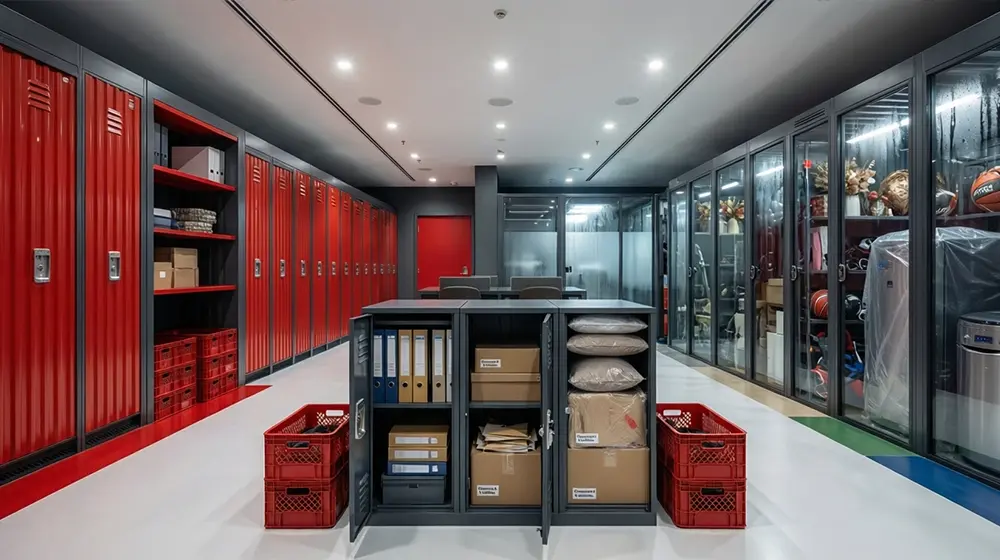
Pick storage type based on risk profile, not price first.
Choose climate-controlled storage when:
- You’re storing soft furniture (sofas/mattresses)
- You’re storing wood furniture that can warp
- Your renovation will run through high humidity months
- You expect storage longer than 4–6 weeks
Humidity control matters because widely used building-environment guidance recommends keeping indoor humidity in a controlled band to reduce mold risk; Dubai Municipality’s mold guideline explicitly advises maintaining indoor humidity between 30–50%.
ASHRAE also notes controlling indoor relative humidity (e.g., below 65%) to reduce conditions that can lead to microbial growth.
Choose standard indoor storage when:
- The duration is short
- Items are mostly hard furniture (metal frames, plastic items)
- You pack correctly and include moisture control measures
Facility attributes to verify (ask and record):
- Climate / humidity control availability and how it’s monitored
- Ventilation (air circulation reduces odor accumulation)
- Pest control policy (schedule and documentation)
- CCTV and access logs
- Insurance options and liability limits
- Access hours (renovations change schedules fast)
- Racking/pallets (keeps items off the floor)
Step 3 — Pack furniture for storage correctly (Packing Guide)
Packing for storage is different from packing for transport. Storage packing must control airflow + moisture + pressure.
Materials checklist
- Moving blankets (abrasion control)
- Stretch wrap (surface protection, not moisture sealing)
- Bubble wrap or foam sheets (for glass and edges)
- Corrugated cartons (double-wall for heavy items)
- Mattress bags (breathable if possible)
- Zip bags for hardware + labels
- Painter’s tape and marker labels
- Desiccants (silica gel or moisture absorbers) for enclosed drawers/boxes
Important: Stretch wrap protects from dust and scratches, but if you fully seal soft furniture with no airflow, you increase odor/mold risk in humid conditions. Ventilation is a consistent mold-prevention principle across home environment guidance.
Step 4 — Label and track items (inventory that survives renovation chaos)
Renovation breaks memory. Inventory prevents “lost parts” and re-buying.
Use a 3-layer labeling system:
- Room of origin (Master / Living / Majlis / Kids)
- Item class (Wardrobe / Sofa / Fragile / Electronics)
- Sequence number (01, 02, 03…)
Create two records:
- Photo inventory (wide shot + close-ups of damage-sensitive areas)
- Condition notes (scratches, dents, missing knobs, stains)
This is your evidence pack if something returns scratched or missing.
Step 5 — Disassembly, protection, and transport to storage
Transport risk increases when large items are moved without controlled disassembly.
Disassemble when:
- The item won’t clear doorways safely
- It has long weak points (wardrobe sides, bed rails)
- It needs stair turns or tight landings
Hardware control rule:
- Every item gets one labeled hardware bag taped to a wrapped component (never loose in a box).
Floor and edge protection:
- Protect villa door frames and stair edges even if you’re “just moving out.” Renovation already increases surface vulnerability.
Step 6 — Prevent mold, odor, and warping while in storage
This is the Sharjah-specific risk zone. Humidity cycles + closed packaging can create odor, mold spots, and wood movement. Sharjah’s climate features long periods described as “muggy,” and average humidity can remain elevated across months.
Controls that work in real storage units
- Avoid airtight sealing of soft items
- Use protective covers, but allow some breathability.
- Keep items off the floor
- Use pallets or racking to reduce moisture transfer.
- Use desiccants correctly
- Put moisture absorbers in drawers, cabinets, and boxed textiles (replace/refresh periodically).
- Ventilation matters
- Guidance on mold prevention consistently emphasizes airflow to reduce humidity build-up.
- Humidity targets
- If you can monitor humidity, aim for a controlled range that reduces mold risk; municipal guidance and common standards emphasize keeping humidity controlled rather than high.
Special notes by item type
- Sofas: vacuum clean first; ensure completely dry; avoid sealing damp fabric.
- Mattresses: keep upright with airflow space; avoid trapping moisture; mold risk rises when airflow is blocked.
- Wood furniture: avoid direct wrap contact on polished surfaces without a soft layer; keep away from unit walls if condensation is possible.
- Electronics: use original boxes if available; keep silica gel in cartons; avoid storing near floors.
Step 7 — Return furniture after renovation without re-contaminating it
Returning too early wastes the whole storage effort.
Return after:
- Painting is finished
- Flooring/grouting is done
- Deep cleaning is complete
- The space is dry and ventilated
Re-entry sequence:
- Large furniture placement (wardrobes, beds, sofas)
- Appliances and electronics
- Fragiles (glass, mirrors, décor) last
Unpack rule: unwrap in the new clean environment, not outside in dusty corridors.
Area-specific planning inside Sharjah (why location affects logistics)
Different neighborhoods can change:
- Parking distance to villa entrance
- Stair carry length
- Truck access and staging space
- Time windows (community rules)
So your plan should record: exact access point, parking constraints, and carry distance. That one measurement often predicts labor time more accurately than “villa size.”
Storage size and duration: how to estimate without guessing
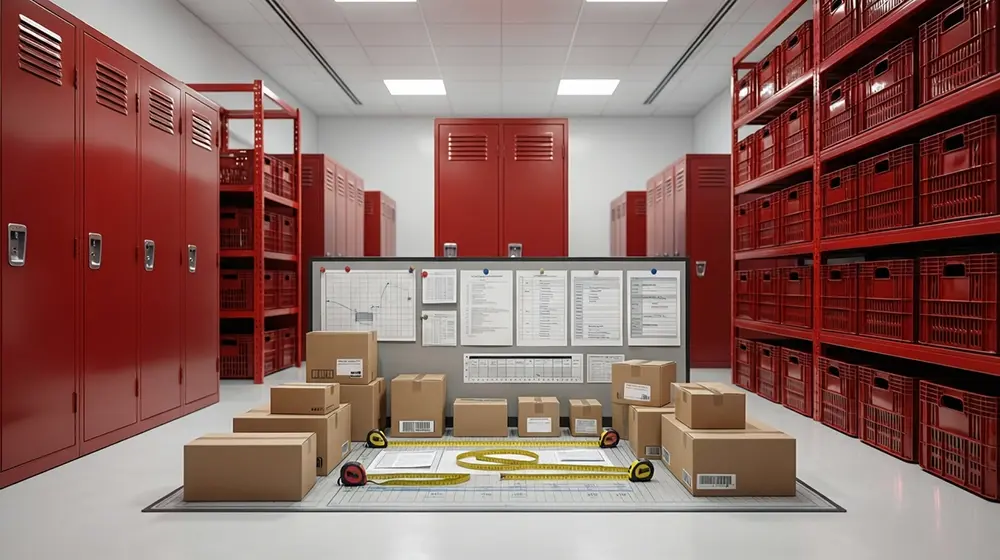
A reliable estimate is inventory-based:
- Count major items:
- Sofas (seats)
- Wardrobes (doors)
- Beds (frames)
- Dining sets
- Count cartons by rom:
- kitchen (usually highest carton density)
- master bedroom
- kids rooms
- Add renovation staging needs:
- If contractors need open rooms, you store more.
Rule: longer renovation = higher value of climate control. The longer furniture sits, the more humidity cycles can cause odor/mold risk if airflow is poor.
Common pitfalls (and the fix for each)
1. Wrapping sofas airtight
Fix: protect from dust, but keep breathability; ensure fabric is dry; maintain airflow.
2. No hardware tracking
Fix: one labeled bag per item, taped to the component.
3. Storing on the floor
Fix: pallets/racking to reduce moisture transfer.
4. No condition photos
Fix: photo inventory before pickup, especially corners, legs, and edges.
5. Returning before deep clean
Fix: bring items back after dust is truly cleared, not “looks okay.”
Conclusion: the simplest plan that works
Furniture storage during villa renovation in Sharjah works when you run it as a sequence:
Decide → Pack by material risk → Choose storage by humidity control → Document condition → Transport safely → Control airflow and moisture → Return after cleaning.
If you do only one thing from this guide, do this: build a photo inventory + labeling system before anything moves, because renovation timelines change—and your tracking must survive the change.
Hayyan is a logistics veteran with over 15 years of experience in facility management and spatial optimization. He specializes in warehouse security, climate-controlled storage protocols, and the technical logistics of large-scale moving. His focus is on helping clients maximize their square footage while ensuring the long-term preservation of their inventory and belongings.
Thuraya is a specialist in home organization and residential transition management. With a background in interior space planning, she helps individuals navigate the complexities of downsizing and relocation. She provides expert advice on packing fragile items, choosing optimal storage unit sizes, and turning the stress of moving into a seamless, organized experience.