
Dubai’s retail and e‑commerce scene is fast-paced, global, and highly seasonal. From mega shopping festivals such as Dubai Shopping Festival (DSF) and Dubai Summer Surprises (DSS) to Ramadan, Eid, and year-end holidays, demand can spike dramatically over a short period.
1. Why Dubai’s Peak Seasons Create Storage Pressure
Dubai is a global trade hub and regional logistics gateway, which makes seasonality more intense than in many other markets.
Key Demand Drivers
These are the main forces that intensify inventory demand during Dubai’s peak shopping and tourism seasons.
Mega shopping events
DSF, DSS, Black Friday/White Friday, and New Year promotions drive massive in‑store and online traffic.
Religious and cultural seasons
Ramadan and Eid boost demand for food, fashion, gifting, home décor, and electronics.
Tourism peaks
High tourist seasons increase footfall at malls and souks, directly impacting retail and hospitality demand.
Trade fairs and expos
Sector‑specific events (tech, jewellery, automotive, furniture, etc.) create short‑term inventory surges.
2. Common Inventory Challenges During Dubai’s Peak Seasons
Understanding typical pain points helps you design a more effective storage strategy.
1. Limited onsite space
Many Dubai businesses operate in high‑rent locations—malls, high streets, or compact warehouses in free zones. Maximising selling or operational space often means minimal storage space, which becomes a severe bottleneck during peak periods.
2. Unpredictable demand
Even with advanced forecasting, demand can be hard to predict during peak events. Viral trends, influencer campaigns, or a sudden surge in tourists can quickly deplete available stock.
3. Operational inefficiency
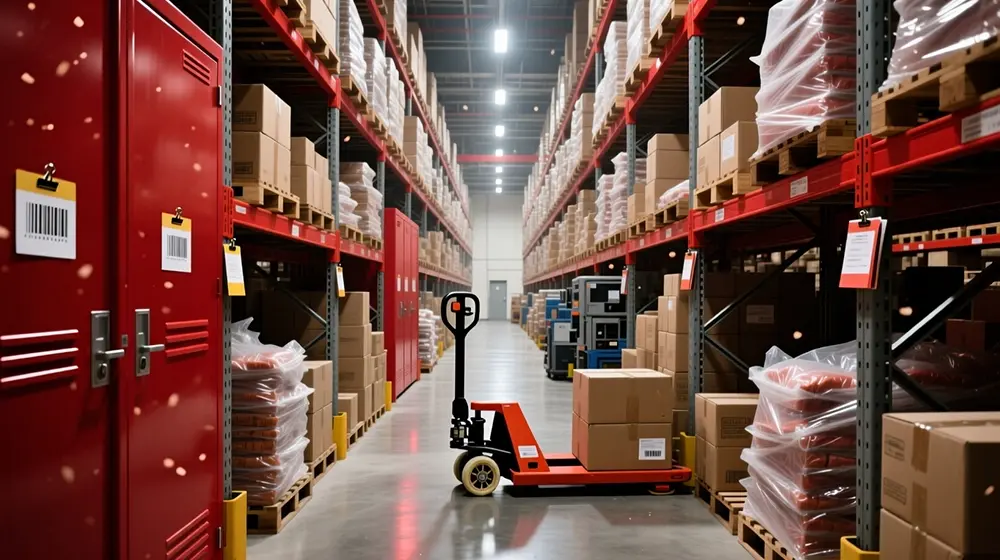
Overfilled stockrooms typically lead to longer picking and replenishment times, more errors in order fulfillment, time-consuming and challenging stock counts, and higher shrinkage due to loss, theft, and damage.
4. Environmental and regulatory factors
Dubai’s climate is hot and, at times, humid, which makes poorly stored goods vulnerable to heat exposure, moisture and condensation, as well as dust and sand. If you handle regulated or sensitive products such as cosmetics, pharmaceuticals, electronics, or food.
3. Types of Peak Season Storage Solutions in Dubai
Dubai offers a wide range of storage and warehousing options for businesses of all sizes, budgets, and industries. Choosing the right one depends on your volume, product type, and operational requirements.
1. Self‑storage units

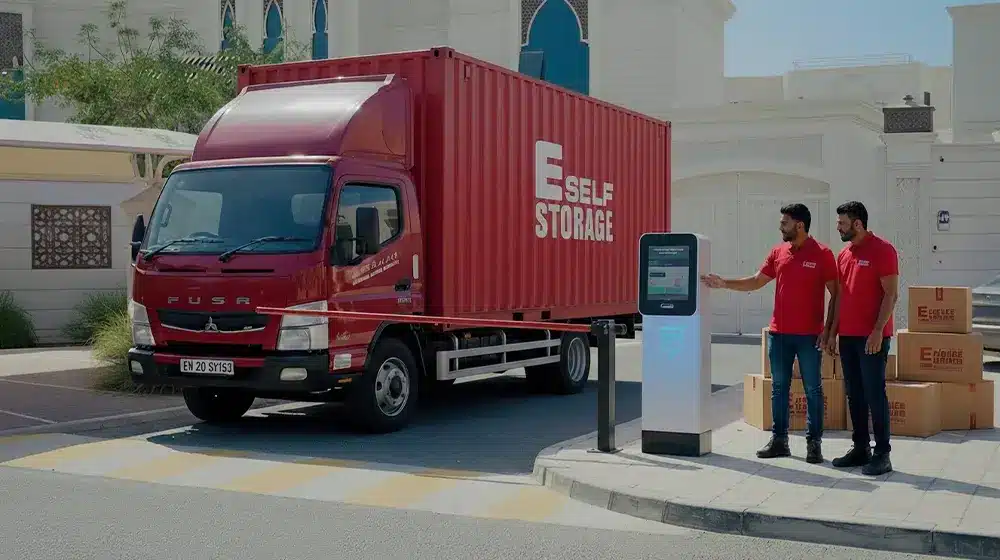
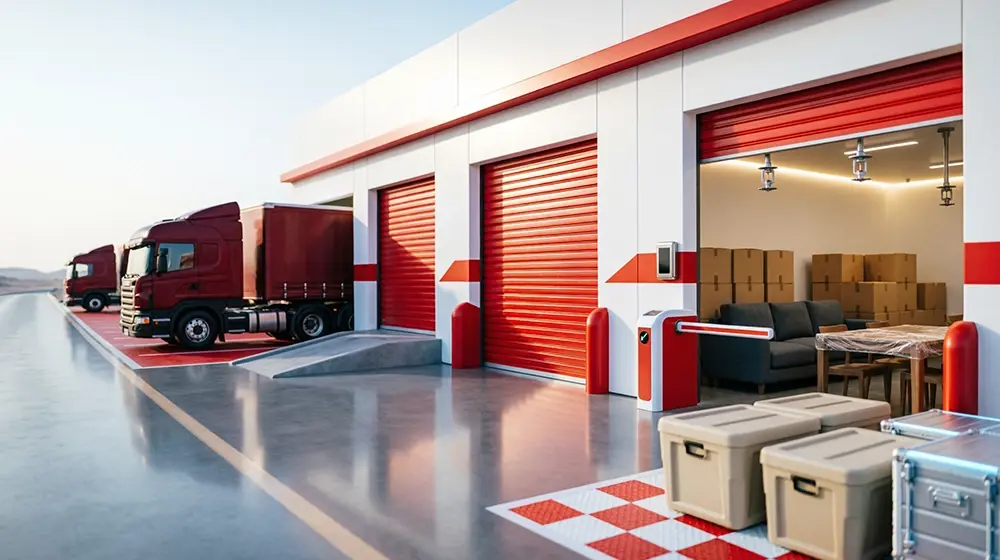
Self‑storage units are ideal for small to medium-sized businesses, e‑commerce sellers, boutiques, and seasonal brands, offering private, lockable units in various sizes that you can rent on a short‑ or long‑term basis. They offer flexible rental terms, including monthly or seasonal contracts; convenient access via 24/7 or extended hours at many facilities; and are ideal for boxed merchandise, overstock, and promotional items. These units are frequently climate‑controlled, secure, and professionally maintained, making them a practical and cost‑effective option for managing excess inventory during peak seasons.
2. Shared warehouses and mini‑warehouses
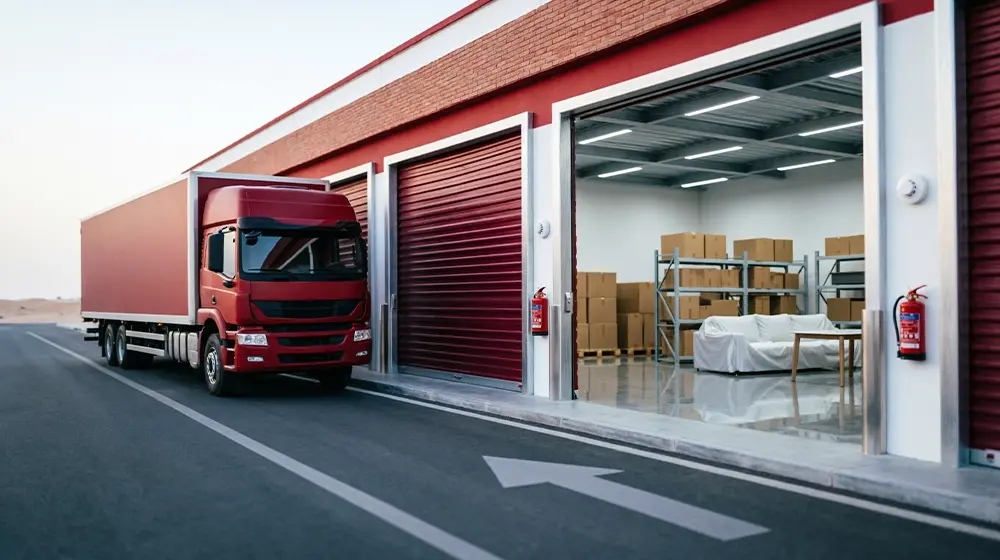
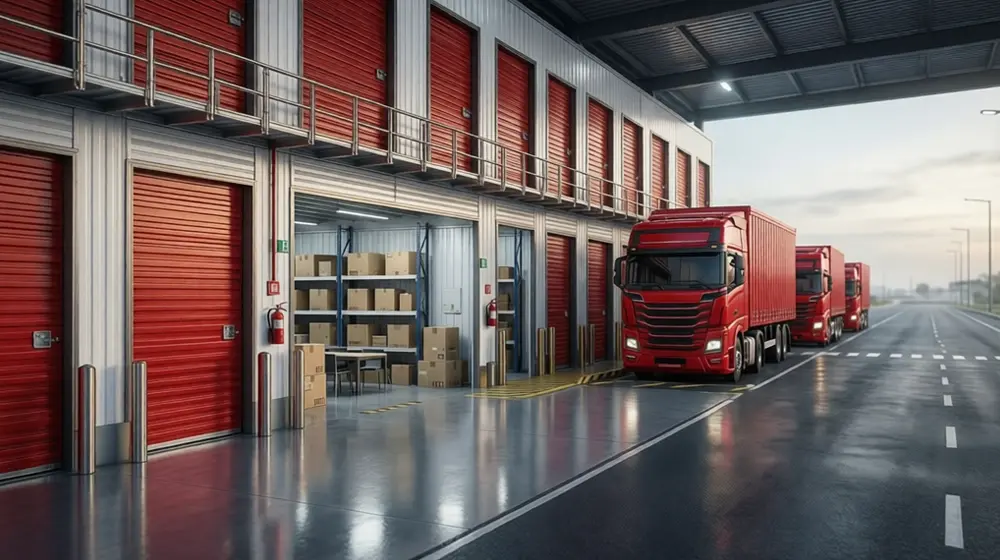
Shared warehouses and mini‑warehouses are best for SMEs that need more capacity than a self storage unit but are not yet ready for a full‑scale distribution centre. These solutions typically consist of larger industrial or logistics spaces that may be subdivided and equipped with shelving and basic material‑handling equipment, offering greater capacity for pallets and bulk inventory. They often provide a lower cost per square metre than prime retail locations. They may also include practical features such as loading docks, freight access, and on-site parking, making them a cost‑effective and scalable option for growing businesses.
3. 3PL (Third‑Party Logistics) and fulfilment centres
3PL (Third‑Party Logistics) and fulfillment centres are best for growing e‑commerce brands, importers, and businesses that want to outsource their logistics operations. In this model, a logistics provider handles storage, inventory management, picking, packing, and shipping on your behalf, offering scalable storage where you pay only for the space and services you use. These providers typically integrate with marketplaces and e‑commerce platforms, use professional inventory systems with reporting and service-level agreements (SLAs), and enable faster fulfilment during peak seasons without the need to hire additional in‑house staff.
4. Temperature‑controlled and specialised storage
Temperature‑controlled and specialised storage is best for perishables, cosmetics, pharmaceuticals, electronics, artwork, and other temperature‑ or humidity‑sensitive goods. These facilities provide controlled-temperature and/or humidity storage, often supported by additional safety, compliance, and monitoring features. This helps protect product quality, performance, and shelf life, promotes compliance with health, safety, and regulatory standards, and reduces the risk of spoilage, returns, and warranty claims.
5. Short‑term overflow storage for events
Short‑term overflow storage for events is best for brands participating in trade fairs, pop‑up events, exhibitions, and seasonal markets, providing temporary storage located close to event venues to enable fast restocking. This type of storage offers quick access to stock near event sites, reduces transportation time and cost, and is ideal for managing high‑volume, short‑duration demand spikes during busy periods.
4. How to Choose the Right Storage Solution in Dubai
Not all storage facilities are equal. Use these criteria to make a confident, cost‑effective choice.
1. Location and accessibility
When choosing a storage facility, consider its proximity to your store, warehouse, port, or main customer base (for example, areas like Deira, Al Quoz, Jebel Ali, or Dubai South), the ease of road access for delivery vehicles and staff, and the available access hours, whether 24/7, extended hours, or business hours only.
2. Security and safety
Look for storage facilities that offer 24/7 CCTV surveillance with on-site security, controlled access using PIN codes, key cards, or biometrics, reliable fire detection and suppression systems, and clean, well‑lit, well‑maintained premises.
3. Climate control and environmental conditions
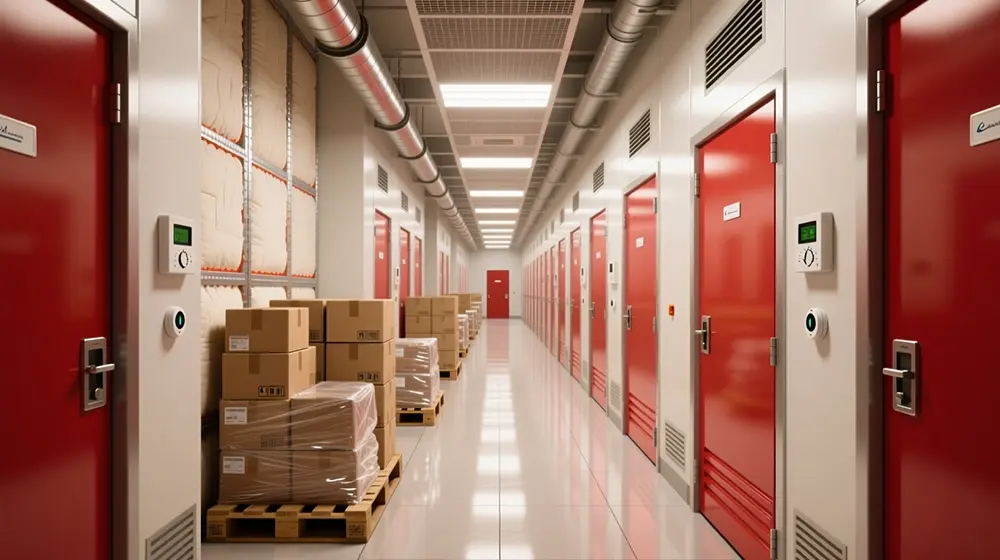
Climate control is especially critical in Dubai’s hot and sometimes humid climate. Look for air‑conditioned or temperature‑controlled units that keep products within a safe temperature range, and that provide strong protection against dust, sand, and moisture.
4. Contract flexibility
Peak seasons are temporary, so your storage agreement must be flexible. Ideally, it should offer short‑term or monthly contracts instead of locking you into long-term commitments, allow you to easily upsize or downsize your space as your inventory levels change, and provide transparent pricing with no hidden fees or penalties.
5. Operational support and value‑added services
Depending on your operational complexity, look for providers that can offer inbound receiving and outbound dispatch support, palletisation, shelving and racking, inventory management software or system integration, as well as pick and pack, labelling, and last‑mile delivery services.
6. Cost vs. value
The cheapest option is not always the most effective, so you should consider the total cost—including rent, handling, transport, and insurance—along with the time and labour savings for your team, the reduced risk of damage, loss, or stockouts, and the revenue potential from capturing more sales by maintaining the proper stock levels.
5. Best Practices for Managing Excess Inventory During Peak Seasons
Once you secure additional storage, how you use it is just as important as the space itself.
1. Plan early and forecast demand
- Analyse last year’s sales for Dubai’s major seasons.
- Factor in marketing plans, new launches, and external events.
- Align purchase orders and inbound shipments with expected peaks.
2. Classify inventory by priority
Organise stock using simple categories such as:
- Fast movers (A‑items): Keep closest to your main fulfilment area or store.
- Medium movers (B‑items): Store in accessible but secondary locations.
- Slow movers and safety stock (C‑items): Store deeper in the warehouse or in more economical units.
This prioritisation reduces time wasted picking low‑value or slow‑moving items during busy periods.
3. Use clear labelling and a logical layout
- Label aisles, shelves, and sections in a consistent, easy‑to‑understand way.
- Use barcodes or QR codes for faster, more accurate tracking.
- Group similar SKUs together to minimise picking errors.
4. Implement reliable stock tracking
At a minimum, maintain a shared, centralised stock list. Ideally, use a warehouse management system (WMS) or integrate your storage with your POS or e‑commerce platform. Track:
- Stock levels by location (leading site vs. overflow storage)
- All inbound and outbound stock movements
- Fastest‑moving SKUs during each peak season
5. Design for fast access
If your team will access the storage frequently:
- Place fast movers near the entrance or staging area.
- Create dedicated spaces for returns, damaged goods, and packing materials.
- Document clear standard operating procedures (SOPs) for storing, picking, and recording stock.
6. Align storage with your fulfilment strategy
- Retail + online: Keep core retail lines closer to the store while storing online‑only SKUs in your overflow facility.
- Marketplace sellers (e.g., Amazon, Noon): Consider 3PL partners that integrate directly with marketplaces to automate order routing and inventory synchronisation.
7. Review performance after each season
When peak season ends:
- Analyse which items sold quickly and which were overstocked.
- Adjust future order quantities and timing.
- Decide how much external storage to keep year‑round versus what to scale back.
6. Cost‑Saving Tips and Common Mistakes to Avoid
1. Cost‑saving strategies
If you want to keep your storage costs low during Dubai’s busiest seasons, you need to plan.
Book early
Reserve storage space ahead of busy periods to secure better rates and availability.
Use vertical space
Install shelving and racking to increase capacity without expanding floor area.
Consolidate deliveries
Schedule fewer, larger shipments instead of many small ones.
Right‑size your unit
Estimate your required volume accurately to avoid paying for unused space.
2. Mistakes to avoid
If you don’t manage your planning effectively during Dubai’s busy seasons, such as DSF, Ramadan, and Eid, you will end up paying more.
Last‑minute planning
Leads to higher costs, limited options, and operational stress.
Choosing based on price alone
Cheap facilities may compromise on security, climate control, or accessibility.
Poor inventory control
A lack of clear systems leads to misplaced stock, overselling, and customer complaints.
Ignoring insurance
Confirm whether goods are covered in storage and consider additional business insurance for high‑value items.
7. Peak Season Inventory Storage Checklist (Dubai)
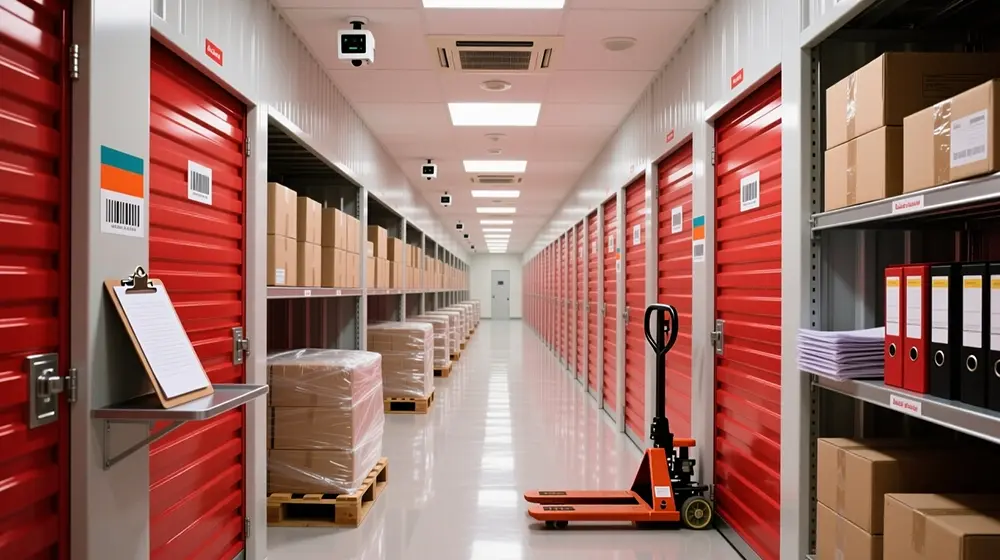
Use this checklist as you prepare for your next peak period:
- Analyse last year’s sales and identify key peaks (DSF, Ramadan/Eid, Black Friday, etc.).
- Forecast demand and set target stock levels by category/SKU.
- Decide which products will be stored off-site.
- Shortlist storage options (self‑storage, mini‑warehouse, 3PL, specialised storage).
- Visit facilities or request virtual tours and quotations.
- Verify security, climate control, access hours, and contract terms.
- Reserve storage space well before the season starts.
- Plan inbound delivery schedules and transport.
- Set up an inventory tracking process for all locations.
- Train staff on storage, picking, and recording procedures.
- After the season, review performance and refine your strategy for the next cycle.
Conclusion: Turning Overflow Inventory Into a Competitive Advantage
Dubai’s peak seasons will always put pressure on storage, logistics, and operations. With the right storage strategy and partners, excess inventory can become a competitive advantage instead of a headache. By planning early, choosing secure, climate‑controlled, well‑located storage, and implementing disciplined inventory management practices, you can keep shelves full, fulfil orders on time, and maintain a smooth customer experience—no matter how busy the season gets.
Hayyan is a logistics veteran with over 15 years of experience in facility management and spatial optimization. He specializes in warehouse security, climate-controlled storage protocols, and the technical logistics of large-scale moving. His focus is on helping clients maximize their square footage while ensuring the long-term preservation of their inventory and belongings.
Thuraya is a specialist in home organization and residential transition management. With a background in interior space planning, she helps individuals navigate the complexities of downsizing and relocation. She provides expert advice on packing fragile items, choosing optimal storage unit sizes, and turning the stress of moving into a seamless, organized experience.