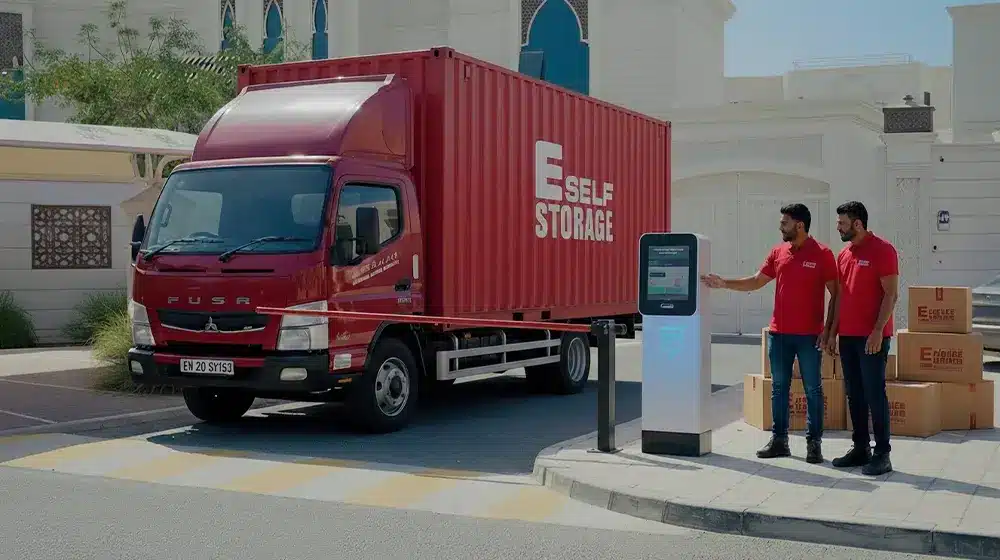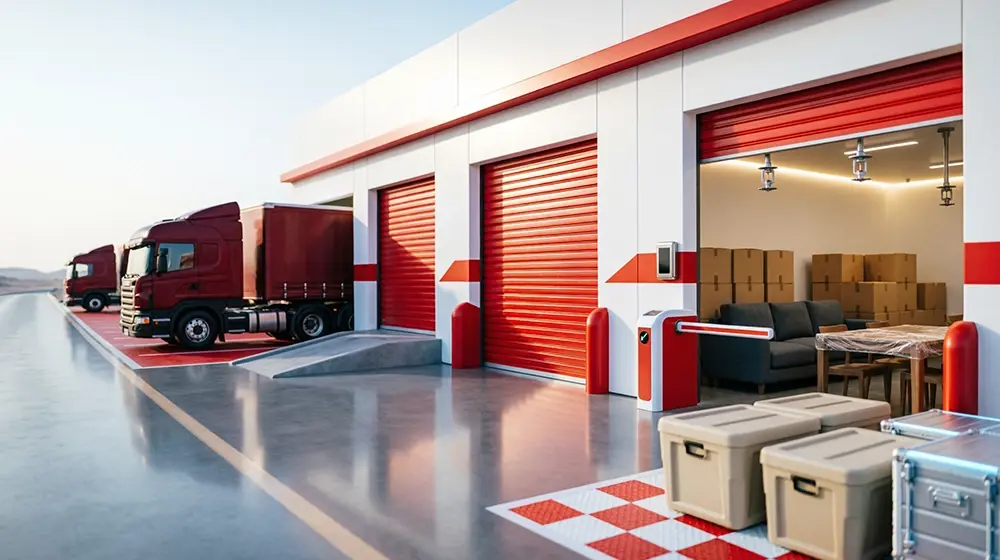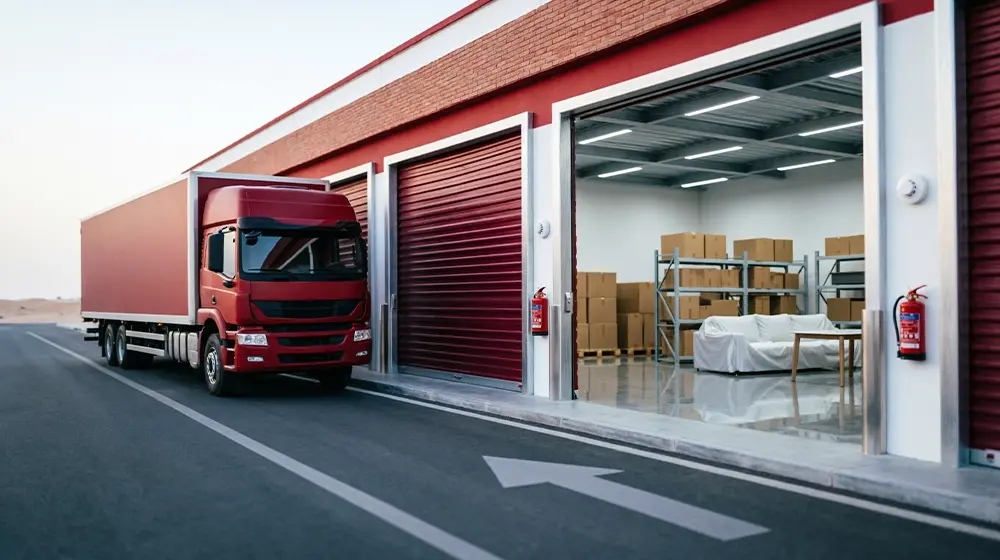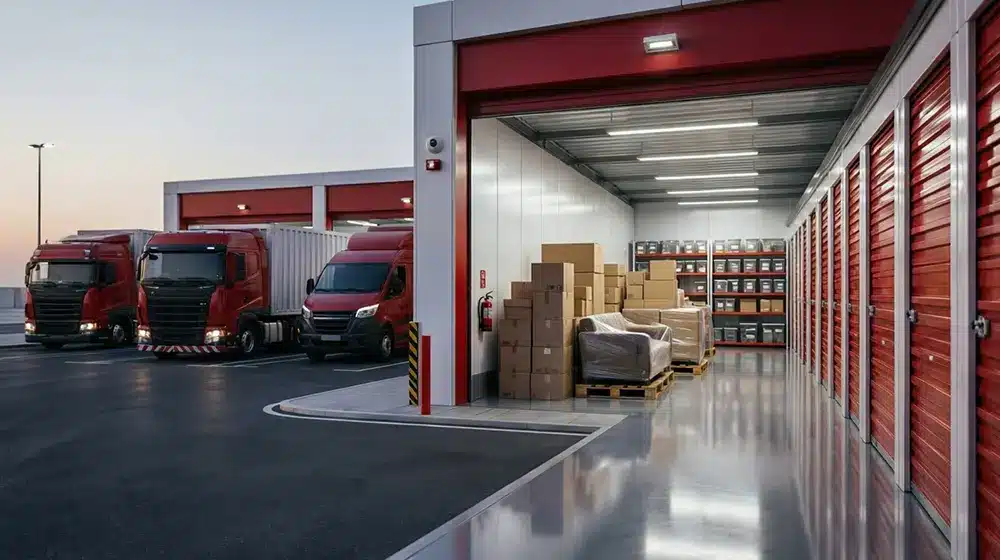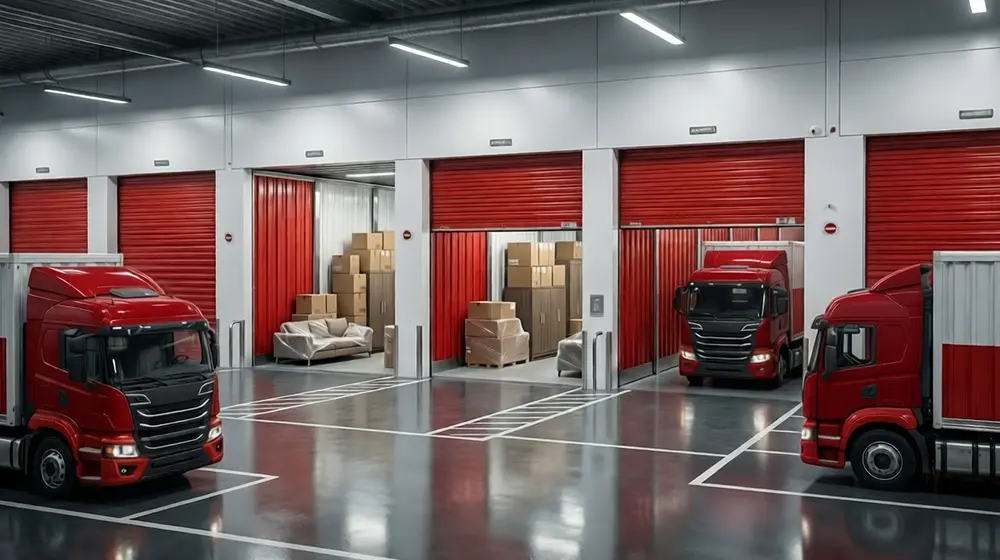
Al Quoz is quickly becoming a logistics and warehousing hotspot in Dubai. For e-commerce startups, this area offers a strategic location near major highways, ports, and urban centers. However, rising rental costs, limited space, and fast delivery expectations mean that every square meter of your warehouse needs to work harder. Micro-fulfilment storage solutions are the answer. By optimising how you store, pick, and ship products in smaller urban or semi-urban facilities, you can offer same-day or next-day delivery while keeping costs under control.
What Is Micro-Fulfilment and Why It Matters in Al Quoz
Micro-fulfilment is a logistics strategy where inventory is stored closer to the end customer in smaller, highly optimised facilities. For Al Quoz e-commerce startups, this matters because
Customer Expectations are Rising
Shoppers in Dubai have become accustomed to fast, convenient service, especially with the growth of major e-commerce platforms. Many customers now expect same-day or next-day delivery as a standard, not a premium service. This means e-commerce startups must design their operations to process orders quickly, keep accurate inventory, and coordinate efficient last-mile delivery.
Space is Expensive
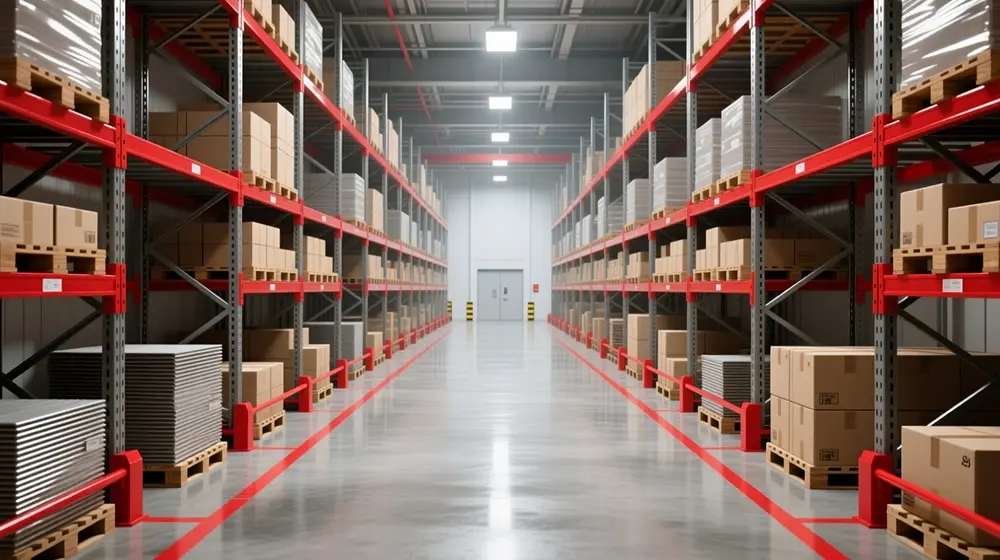
In areas like Al Quoz, warehouse and commercial rental costs are high, so every square meter needs to be used efficiently. Startups can’t afford to waste space on poor layouts, low-rack storage, or disorganised storage. Instead, they must focus on maximising vertical space, using innovative racking and shelving systems, and designing workflows that minimise unused or cluttered areas.
Competition is Intense
UAE’s e-commerce market is crowded with both local businesses and international brands targeting the same customer base. Because products can often be similar or easily substituted, the speed and reliability of fulfilment become critical to standing out. Companies that can deliver quickly, accurately, and consistently build stronger customer loyalty and brand reputation. Startups that can’t match this level of service risk losing market share to competitors who offer smoother, faster, and more dependable shopping experiences.
Understanding Storage Challenges for Al Quoz E-Commerce Startups
Before designing an optimised micro-fulfilment system, it’s essential to understand the common storage challenges startups face in Al Quoz:
Limited Floor Space
Many units are small or oddly shaped, making traditional racking inefficient.
High Rent and Overheads
Wasting space directly increases your cost per order.
Inventory Diversity
Startups often sell multiple product categories and SKUs, which complicates storage planning.
Seasonal Demand Spikes
Events, holidays, and sales can quickly overwhelm a poorly organised warehouse.
Manual Processes
Many young businesses still rely on spreadsheets and paper pick lists, which leads to errors and slow fulfilment.
Designing an Efficient Warehouse Layout in Al Quoz

An innovative layout is the foundation of any successful micro-fulfilment operation. In a compact Al Quoz facility, you need to balance storage density with fast, safe movement.
When planning your layout:
Map Your Process Flow
Start from receiving and put-away, then move through storage, picking, packing, and dispatch. Ensure each step flows logically and does not backtrack.
Separate Zones Clearly
Create dedicated zones for receiving, storage, packing, returns, and staging outbound orders. This reduces confusion and traffic jams.
Minimise Travel Distance
Place fast-moving items closer to packing stations so pickers don’t have to walk long distances.
Keep aisles Wide Enough.
Ensure aisles are safe and accessible for staff and equipment, such as trolleys and pallet jacks.
Vertical Storage: Maximising Space in Compact Units
Space is a premium in Al Quoz, so the only way to go is up. Vertical storage solutions allow you to use the full height of your unit instead of just the floor area.
Key vertical storage strategies include:
High-bay racking
Tall racks allow you to store bulk inventory on upper levels while keeping fast-moving SKUs at reachable heights.
Multi-level shelving
For smaller items, multi-tier shelving systems help you double or triple your usable storage capacity.
Vertical storage carousels
Automated vertical carousels store goods in a compact footprint and bring items down to the picker, saving time and space.
Smart Racking and Shelving Systems for Fast-Moving Inventory
Your racking and shelving choices will directly impact how quickly you can fulfil orders. In micro-fulfilment, especially in a busy area like Al Quoz, you need systems that support high pick velocity.
Some effective options are:
Selective pallet racking
Ideal for pallets of bulk stock, offering direct access to each pallet.
Carton flow racks
Gravity-fed racks that advance boxes as stock is removed, ideal for fast-moving SKUs.
Bin shelving
Small bins organised by SKU are great for accessories, cosmetics, electronics, or other small items.
Implementing a Robust Inventory Management System (IMS)

To truly optimise micro-fulfilment, manual tracking is not enough. An Inventory Management System (IMS) or Warehouse Management System (WMS) helps you:
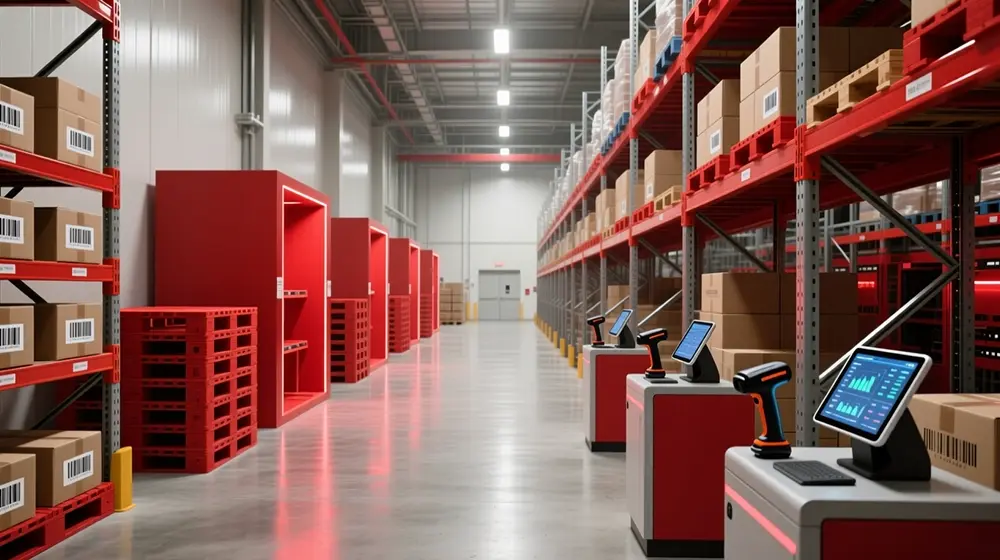
Track stock in real time: Know exactly what’s in your Al Quoz facility at any moment.
Reduce stockouts and overstocking: Automated alerts can notify you when inventory falls below a certain level.
Improve picking accuracy: Digital pick lists, barcode scanning, or handheld devices reduce human error.
Integrate with your online store: Sync platforms like Shopify, WooCommerce, or custom sites to keep stock levels accurate.
For an e-commerce startup, even a lightweight cloud-based IMS can significantly improve accuracy, speed, and overall customer experience.
Choosing the Right Picking Methods for Micro-Fulfilment
Picking is one of the most time-consuming tasks in any warehouse. In a micro-fulfilment setup, you should select picking strategies that align with your order volume and product range.
Common methods include:
Single-order picking: one picker completes one order at a time. Simple, but not always efficient for higher-order volumes.
Batch picking: A picker collects items for multiple orders in a single trip through the warehouse; the orders are then separated at the packing station.
Zone picking: The warehouse is divided into zones. Each picker is responsible for one zone, and orders move between zones.
Al Quoz startups often benefit most from batch picking initially, then evolve towards zone picking as order volumes grow. The key is to regularly review your picking performance and refine your method as your business scales.
Integrating Automation and Technology in Micro-Fulfilment
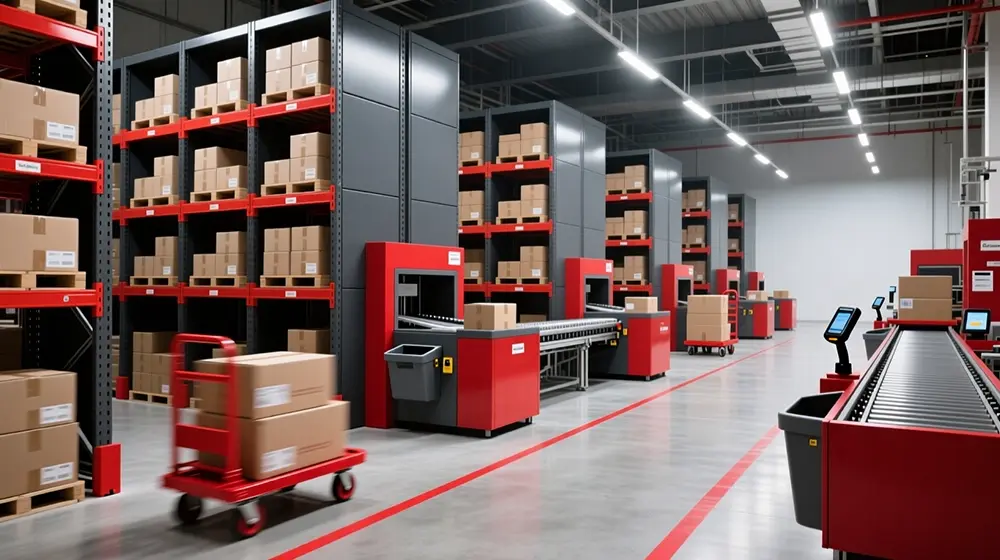
While full-scale automation can be expensive, even minor technology upgrades can transform your Al Quoz micro-fulfilment centre.
Useful technologies include:
Barcode or QR code scanners: Improve accuracy in receiving, picking, and packing.
Mobile picking devices: Handheld devices or tablets that display digital pick lists and storage locations.
Conveyor belts (for larger operations): Move orders from picking to packing without manual carrying.
Simple robotics or AMRs (Autonomous Mobile Robots): In more advanced setups, robots can move goods between zones, reducing walking time.
You don’t need to automate everything from day one. Start with technologies that offer the highest return on investment and add more as your order volume grows.
Efficient Last-Mile Delivery from Al Quoz
Micro-fulfilment is not just about storage; it’s also about how fast you can get orders to customers. Al Quoz is strategically located near major highways, business districts, and residential communities, which makes it ideal for last-mile delivery.
To optimise last-mile delivery:
Partner with reliable local couriers: Choose carriers experienced with Dubai traffic and customer expectations.
Offer time slot or same-day delivery (where possible): Use your proximity to customers as a competitive advantage.
Use route optimisation tools: to plan delivery routes and reduce fuel consumption, time, and costs.
Consolidate shipments: For bulk orders to the same area, group deliveries to maximise efficiency.
An optimised last-mile strategy ensures your micro-fulfilment centre in Al Quoz becomes a true hub for fast and reliable deliveries.
Managing Returns and Reverse Logistics Efficiently
Returns are a reality in e-commerce, especially in categories like fashion, electronics, and lifestyle products. Poorly managed returns can clutter your limited space and damage your cash flow.
In a micro-fulfilment environment:
Create a dedicated returns zone: Separate returned goods from new stock to avoid confusion.
Standardise inspection and grading: Quickly decide whether items can be restocked, refurbished, or discarded.
Automate return tracking: Use your IMS or a return management tool to track the status of each item.
Reshelve or resell fast: The faster you process returns, the sooner you can recover value from the inventory.
A clean, efficient reverse logistics process keeps your Al Quoz facility organised and your working capital healthy.
Cost Optimisation: Balancing Rent, Labour, and Technology
One of the most significant benefits of well-planned micro-fulfilment is cost control. In Al Quoz, where rent and labour can be substantial, your storage strategy directly affects profitability.
Tooptimisee costs:
Use space efficiently: Implement vertical storage, innovative racking, and compact layouts.
Automate where it makes sense: Invest in technology that directly reduces labour time and errors.
Train staff thoroughly: Well-trained staff make fewer mistakes and work more safely and efficiently.
Monitor KPIs: Track metrics like orders per picker per hour, picking accuracy, and cost per order.
When you balance rent, labour, and technology, your micro-fulfilment centre can scale sustainably as your e-commerce brand grows.
Compliance, Safety, and Sustainability in Al Quoz Warehouses
Operating in Al Quoz requires compliance with local regulations and maintaining safe working conditions. At the same time, more customers are paying attention to sustainability.
Best practices include:
Follow safety standards: Ensure racking is properly installed, aisles are clear, and staff are trained in safe lifting and equipment use.
Fire safety and emergency plans: Maintain fire extinguishers and alarms, and keep emergency exits clear in accordance with local regulations.
Energy efficiency: Use LED lighting, efficient air conditioning, and insulated spaces where possible.
Sustainable packaging: Offer eco-friendly packaging options and minimise waste.
These measures protect your staff, your inventory, and your brand reputation.
Future Trends in Micro-Fulfilment for Dubai E-Commerce
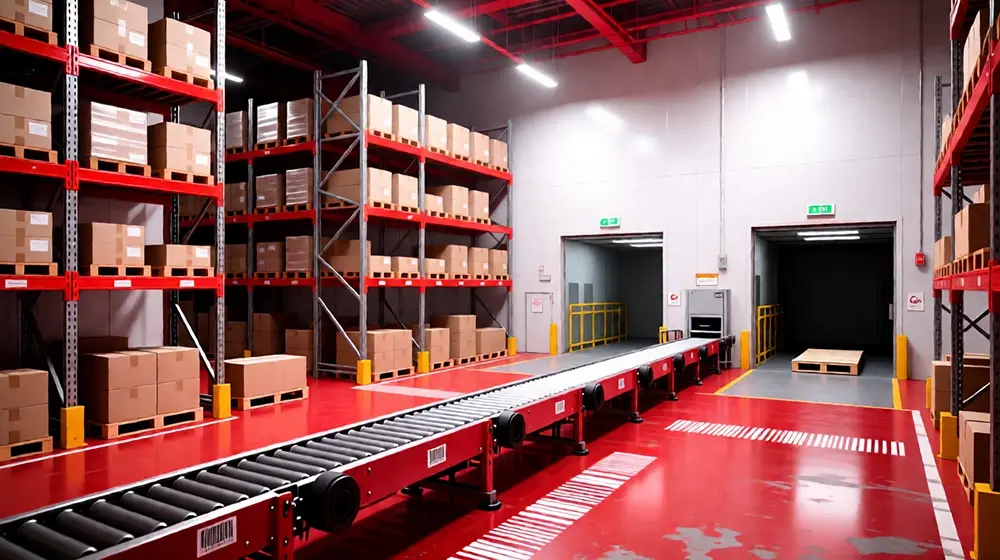
The future of micro-fulfilment in Dubai, and especially in hubs like Al Quoz, is moving towards more automation, more innovative data use, and deeper integration with online platforms.
Emerging trends include:
Micro-fulfilment centres embedded in retail spaces: Using stores as mini-warehouses.
AI-driven demand forecasting: Predicting which SKUs will sell more in specific areas and seasons.
More robotics and AMRs: Gradual adoption as costs decrease and technology matures.
Omnichannel fulfilment: Integrating online orders, marketplace orders, and in-store sales from the same inventory pool.
By staying aware of these trends, Al Quoz startups can plan and keep their operations competitive.
Conclusion: Turning Your Al Quoz Facility into a High-Performance Micro-Fulfilment Hub
For e-commerce startups in Al Quoz, optimised micro-fulfilment storage strategies can be a game-changer. By designing an innovative layout, maximising vertical space, organising SKUs intelligently, and leveraging technology, you can: Speed up order processing, Reduce operational costs, Improve delivery times, Enhance customer satisfaction.
Hayyan is a logistics veteran with over 15 years of experience in facility management and spatial optimization. He specializes in warehouse security, climate-controlled storage protocols, and the technical logistics of large-scale moving. His focus is on helping clients maximize their square footage while ensuring the long-term preservation of their inventory and belongings.
Thuraya is a specialist in home organization and residential transition management. With a background in interior space planning, she helps individuals navigate the complexities of downsizing and relocation. She provides expert advice on packing fragile items, choosing optimal storage unit sizes, and turning the stress of moving into a seamless, organized experience.