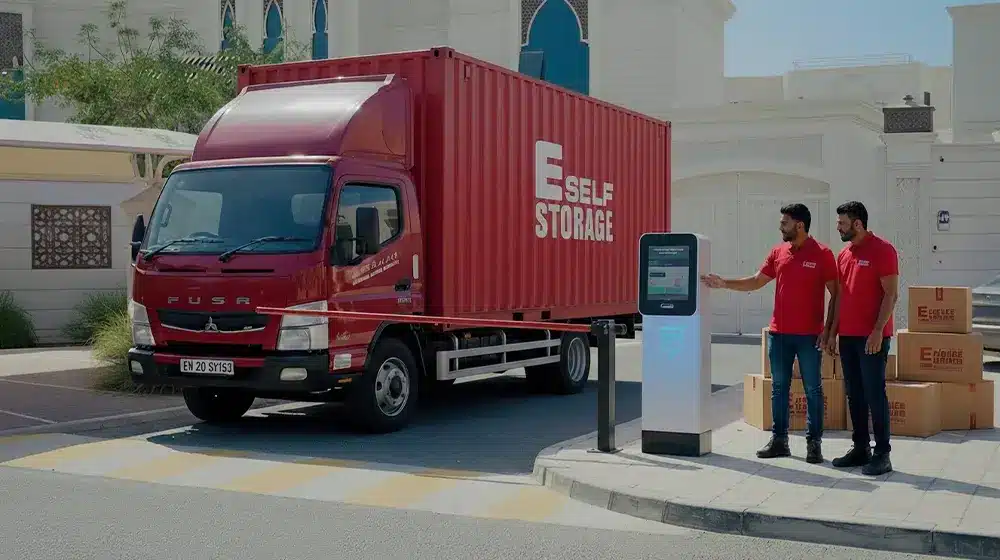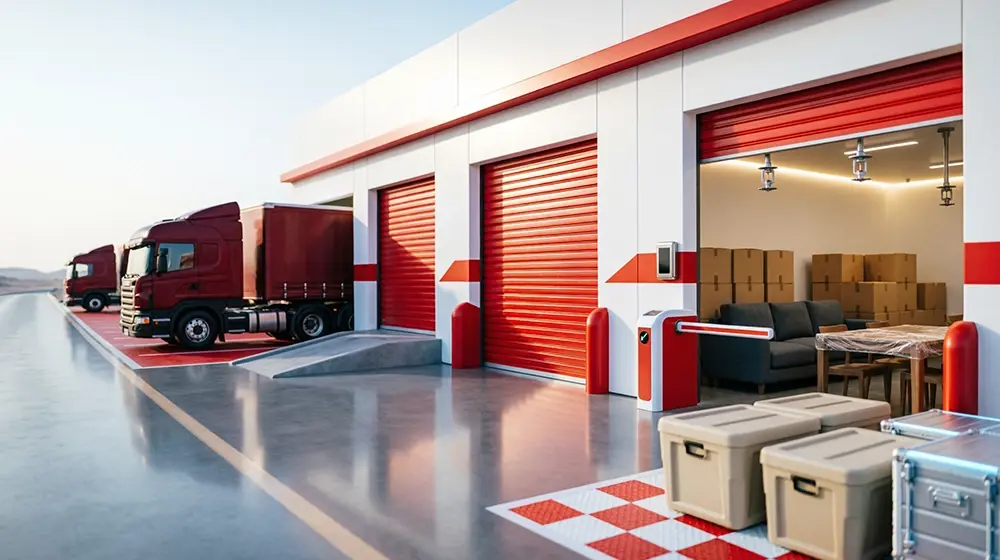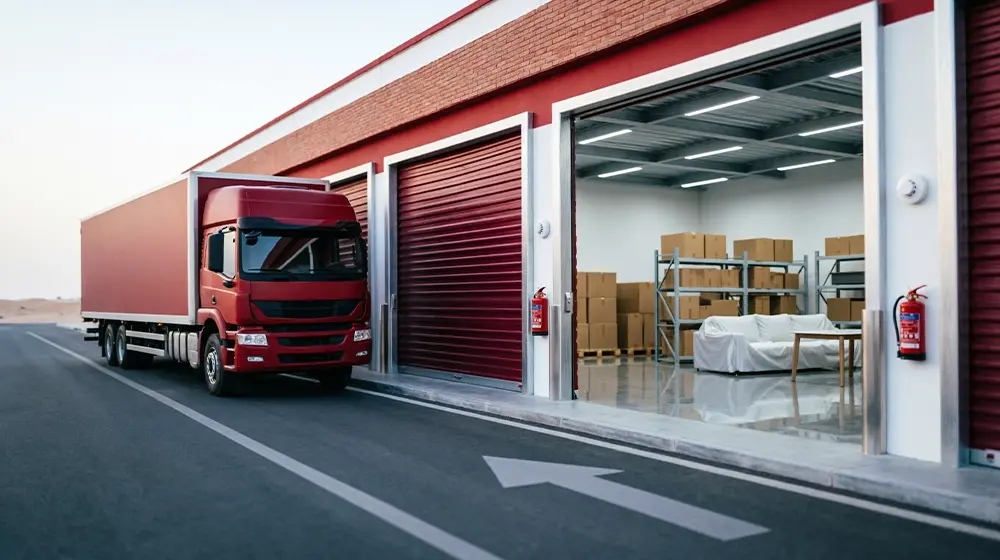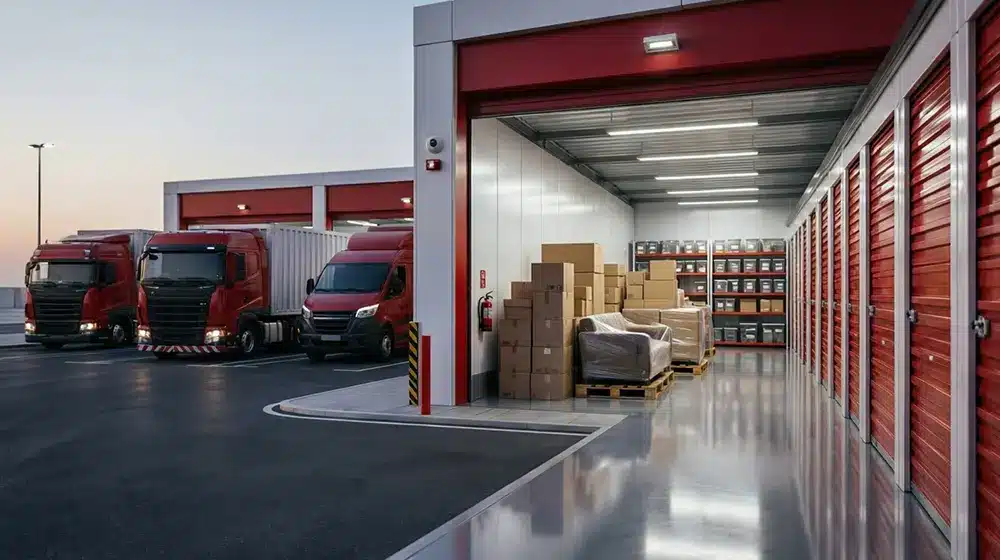
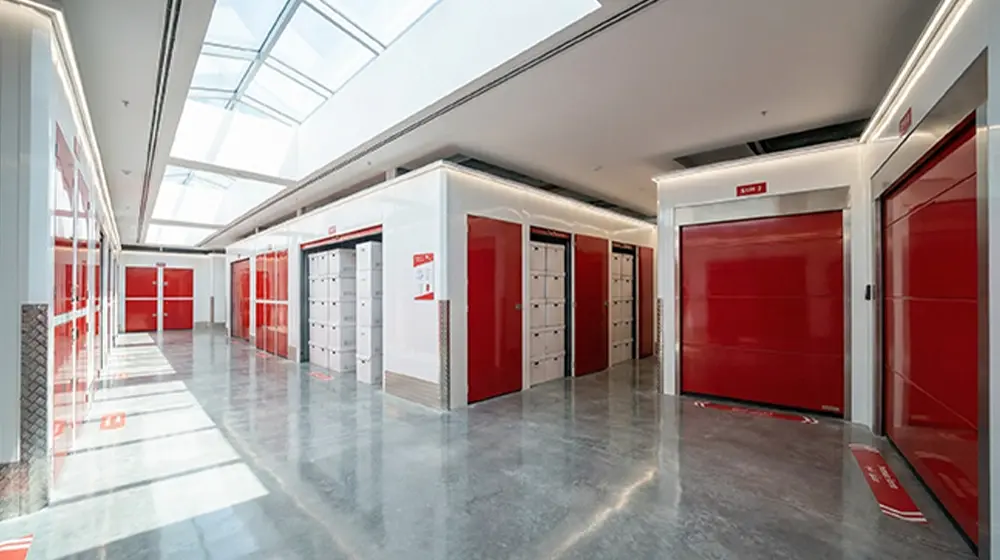
Self storage in Ras Al Khaimah is a practical way to create space without changing your home, your lease, or your business address. But the best outcome doesn’t come from renting the closest “storage units near me” result and hoping for the best. The best outcome comes from choosing a self storage unit that matches your inventory, your monthly access needs, and the protection level your items actually require.
RAK has a long hot season, and summer heat can be intense. That matters because heat and poor airflow increase odor and moisture-related risks for certain stored items, especially if your unit is packed too tightly.
What is Self Storage in Ras Al Khaimah?
Self storage in Ras Al Khaimah means renting a private unit in a storage facility where you store your belongings and access them under the facility’s rules. Most people use it for:
- Creating extra space at home (boxes, seasonal items, overflow furniture)
- Monthly storage during moving, travel, or renovation timelines
- Small business overflow (inventory, tools, files)
Self storage is designed for mixed personal or business items and flexible access. It is different from a warehouse rental, which is usually built for bulk commercial operations.
Why “Storage Units Near Me” is the Real Search Intent
When people search storage units near me, they usually want a unit that is:
- Close enough to retrieve items without turning it into a half-day task
- Easy to load and unload (short carry distance, simple access)
- Suitable for their storage period (often monthly storage)
- Secure and predictable
“Near me” is not only distance on a map. It’s also how much friction the facility adds (stairs, long corridors, limited access hours, difficult parking, or tight loading paths). Those friction points create extra handling, and extra handling increases damage risk and time cost.
Self Storage vs Warehouse in Ras Al Khaimah: Which One Fits?
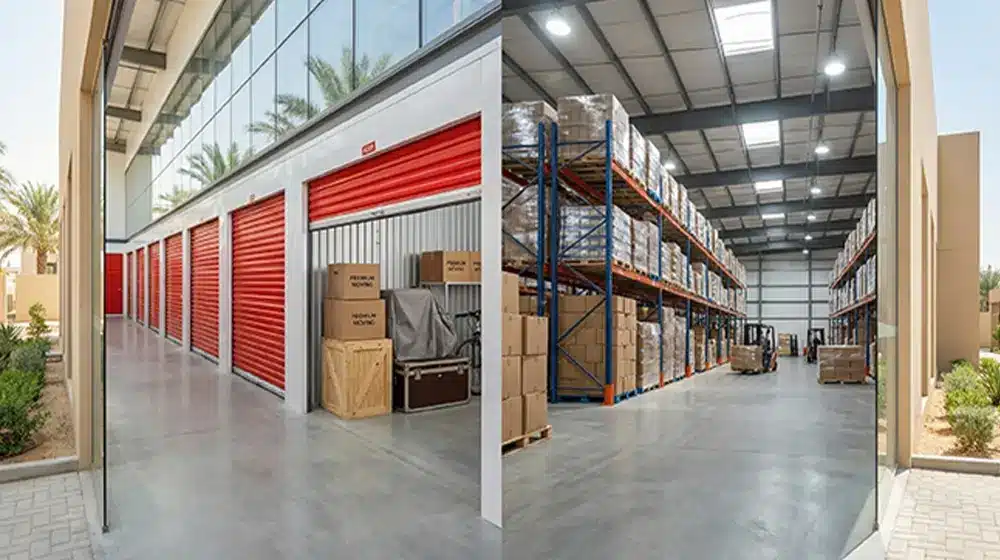
Many people compare self storage with a warehouse in Ras Al Khaimah because both solve “I need space.” But they solve it in different ways.
When Self Storage is the Better Choice
Choose a self storage unit when you have:
- Mixed goods (boxes + furniture + personal items)
- Household storage needs
- Occasional access (weekly or monthly retrieval)
- A preference for a simpler monthly rental model
When Warehouse Rental is the Better Choice
A warehouse for rent in Ras Al Khaimah makes sense when storage becomes an operational system:
- Bulk inventory (often palletized)
- Frequent inbound/outbound movements
- Commercial handling needs
RAKEZ publishes practical guidance on warehouse rental decision factors in the UAE (space planning, business fit, and requirements).
Quick decision rule:
If you need a private, flexible unit for mixed items → Self storage.
If you need a logistics base for bulk operations → Warehouse rental.
Step 1: Choose the Right Storage Unit Size (The Decision That Saves the Most Money)
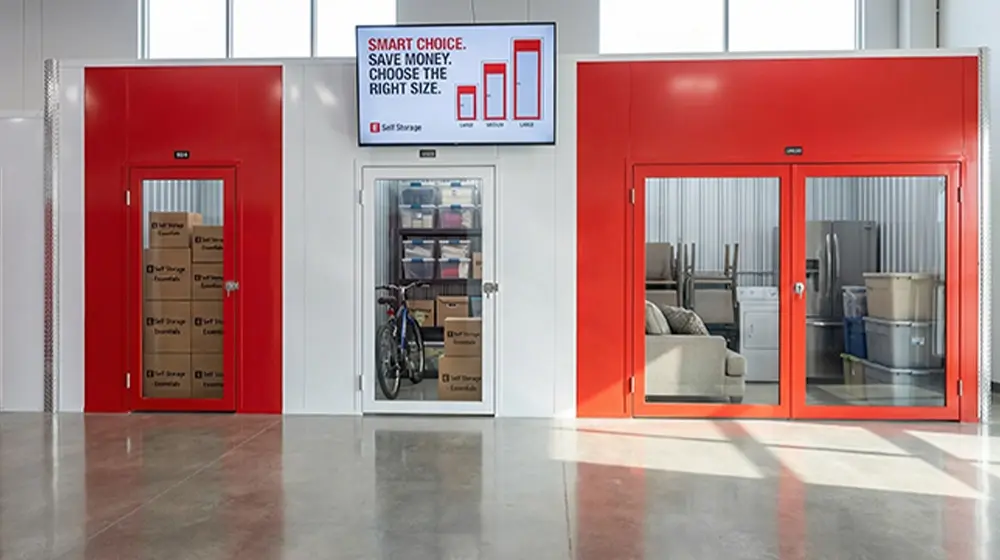
The most expensive storage mistake is choosing the wrong size. A unit that is too small creates:
- Tight stacking (crushing risk)
- Blocked access (re-handling loops)
- Higher chance of scratches and edge damage
- More time spent “rebuilding” the unit every time you retrieve something
A unit that is too large wastes monthly rent. The goal is not “big.” The goal is right-sized.
A Practical Sizing Method That Works
Before you rent, classify your inventory into three groups:
- Access Items: Things you may retrieve during the month
- Store-And-Leave Items: Things you won’t touch until the end
- Fragile/High-Value Items: Things that need spacing and careful placement
If you have Access Items, you must plan a small access lane inside the unit. That single choice often changes the size you need more than people expect.
Small Storage Space (Mini Storage)
A small unit usually fits:
- Boxes, suitcases, seasonal items
- Small appliances
- Personal items you won’t access often
Small units are best for decluttering and light storage, not heavy furniture.
Medium Storage Units
A medium unit is often the best choice for:
- Cartons plus selected furniture items
- Apartment overflow during moving dates
- Small business overflow stock
Medium units work well when you need monthly storage and want the option to access items without unloading half the unit.
Large Storage Units
A large unit is better when you store:
- Multiple furniture sets
- Larger household contents
- Higher volume business stock
Sizing rule:
If you must “force-stack” to make it fit, the unit is too small. Forced stacking is how furniture corners get damaged and cartons collapse.
Step 2: Decide Which Facility Features Actually Matter
A storage facility can offer dozens of features, but most people only need a few. Choose features based on what you store.
Security Basics (Non-Negotiable)
A good self storage facility should have clear controls:
- Controlled access rules (who can enter and when)
- CCTV coverage in common areas
- Clear unit lock policy and site rules
Security should be systematic, not informal.
Do You Need Air-Conditioned Storage in Ras Al Khaimah?
You usually need air-conditioned storage if you store:
- Furniture with sensitive finishes
- Upholstery and textiles
- Paper records/documents
- Electronics
Why? Because stability matters. In hot seasons, airflow and packing choices also matter. U-Haul’s summer storage guidance emphasizes airflow and avoiding overly tight packing to reduce heat and moisture build-up.
Indoor Units vs Ground-Level Units
- Indoor units can be cleaner and more controlled.
- Ground level storage units can reduce carrying distance and loading friction.
If you are storing heavy furniture, reduced carry distance can reduce knocks and drops.
Step 3: Understand Monthly Storage Pricing Without Falling for “Cheap Storage” Traps
Most customers want monthly storage because it is predictable. Monthly pricing typically depends on:
- Unit size
- Location and demand
- Environment control (air-conditioning)
- Access convenience
How to Think About “Cheap Self Storage”
Cheap storage is only a win if it doesn’t create hidden costs:
- Extra trips because access is inconvenient
- Extra handling because the unit is too small
- Extra re-wrapping or replacements due to damage
A slightly higher monthly rent can be cheaper overall if it prevents re-handling and damage.
How to Store Furniture Safely in a Self Storage Unit
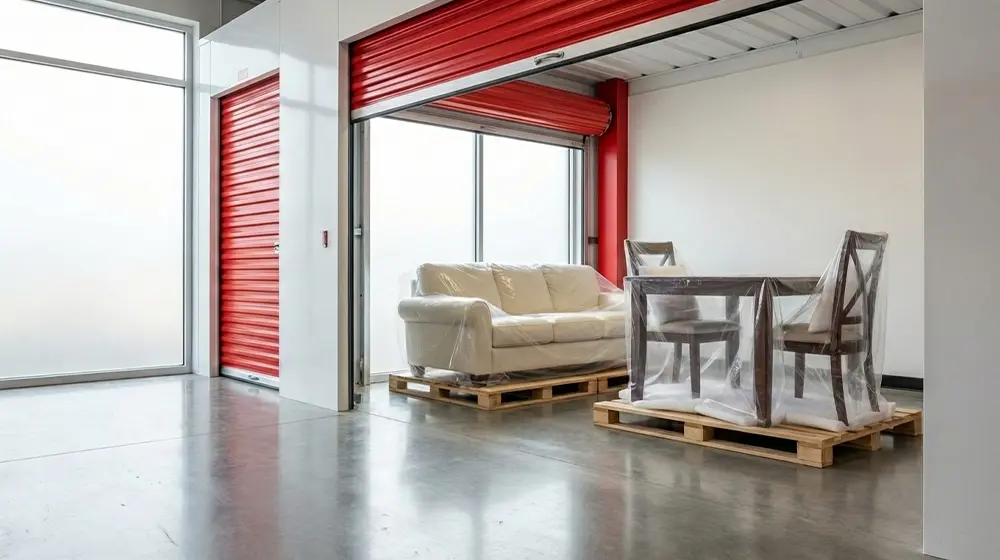
Furniture storage fails for four common reasons:
- Abrasion (rubbing and scuffing under movement)
- Crushing (bad stacking and heavy loads on top)
- Moisture trapping (tight sealing + no airflow)
- Heat build-up (packed wall-to-wall, no circulation)
RAK’s hot season makes airflow and packing decisions more important, especially for longer storage periods.
Furniture Storage Rules That Reduce Damage Risk
- Clean Before Storage (dust becomes abrasive under covers)
- Protect Corners And Edges (corners take first impact)
- Avoid Trapping Moisture (don’t seal fabrics airtight)
- Keep Heavy Items At The Bottom
- Leave Small Air Gaps For Airflow
- Keep An Access Lane If You Need Retrieval
U-Haul’s summer packing guidance specifically recommends maintaining airflow and not packing too tightly, because tight packing increases heat and moisture build-up.
Safe Handling Matters More Than People Expect
Many storage problems happen before the items even reach the unit. Overloaded carries, awkward lifting angles, and rushed stair moves lead to dents, drops, and strain injuries.
If you’re moving heavy items into storage, basic manual handling principles help reduce risk: avoid hazardous lifts, reduce repeated handling, and use appropriate aids where possible.
Practical takeaway:
The less you re-handle the same items, the safer your storage workflow becomes.
A Simple Checklist Before You Rent a Storage Unit Near You in RAK
Use this checklist before paying:
- Confirm Unit Size And Door Clearance
- Confirm Monthly Price And Any Deposits
- Confirm Access Hours And ID Requirements
- Confirm Security Setup And Site Rules
- Confirm Cleanliness Standards And Pest Control Approach
- Confirm Loading Method And Carry Distance
- Confirm If You Need Air-Conditioned Storage
- Confirm Restricted Items Policy
- Confirm Upgrade/Downgrade And Cancellation Terms
If a facility cannot answer these clearly, it’s not the right fit—no matter how close it is.
Common Mistakes People Make With Self Storage in Ras Al Khaimah
A facility can be near you but still create friction through limited access hours or difficult loading paths. Friction becomes re-handling. Re-handling becomes damage risk.
Choosing a Unit That Is Too Small
Too-small units force crushing and repeated unloading cycles. Those cycles cost time every month.
No Inventory System
A simple inventory prevents “lost in storage” problems:
- Label cartons (BOX-01, BOX-02…)
- Keep a short list in your phone
- Photograph high-value boxes
Packing Too Tightly
Overpacking blocks airflow and increases pressure damage. Airflow and spacing are repeatedly highlighted in practical summer storage guidance.
Conclusion
Choosing the right self storage in Ras Al Khaimah is a simple sequence:
Decide self storage vs warehouse → choose the correct unit size → confirm security and access → choose air-conditioning if your items need it → pack with spacing and airflow.
That method keeps your storage predictable, protects your belongings, and prevents the monthly frustration that comes from choosing the wrong unit near you.
Frequently Asked Questions
How do I choose the right self storage unit near me in RAK?
Is self storage better than a warehouse in Ras Al Khaimah for household items?
Do I need air-conditioned storage for furniture?
What size storage unit do I need for boxes and furniture?
Is monthly storage near me better than short-term storage?
What security should a storage facility near me have?
How do I reduce odor and moisture issues in storage?
Can a small business use self storage in Ras Al Khaimah?
What items should not be stored in a self storage unit?
What is the fastest way to avoid renting the wrong unit?
Hayyan is a logistics veteran with over 15 years of experience in facility management and spatial optimization. He specializes in warehouse security, climate-controlled storage protocols, and the technical logistics of large-scale moving. His focus is on helping clients maximize their square footage while ensuring the long-term preservation of their inventory and belongings.
Thuraya is a specialist in home organization and residential transition management. With a background in interior space planning, she helps individuals navigate the complexities of downsizing and relocation. She provides expert advice on packing fragile items, choosing optimal storage unit sizes, and turning the stress of moving into a seamless, organized experience.