
How Warehouses in Dubai Power E‑Commerce and Logistics Operations
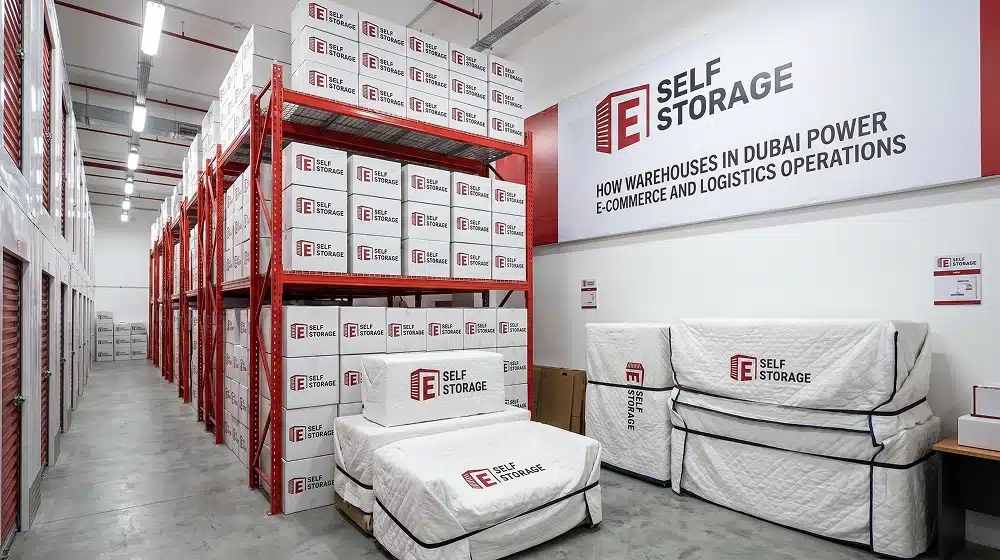
Warehouses in Dubai are critical infrastructure that support e‑commerce, import‑export trade, and last‑mile delivery networks across the Middle East. By combining strategic geographic location, world‑class logistics hubs, and advanced warehouse technologies, Dubai has become a central node in global supply chains linking Asia, Europe, and Africa. This blog explains what Dubai’s warehouses are, how they work, what technologies they use, the types of facilities available, and the future of logistics in the emirate.
What Role Do Warehouses Play in Dubai’s Logistics Sector?
Warehouses in Dubai serve as storage, processing, and distribution hubs where goods are received from international ports and airports, stored securely, and either sent to the UAE market or re‑exported to regional and global destinations. They support:
- Inventory management for e‑commerce and retail brands
- Consolidation and cross‑docking to speed freight movement
- Order fulfillment, including picking, packing, and returns
- Bonded storage for duty‑deferred cargo
- Temperature‑controlled storage for pharmaceuticals and perishables
Dubai’s logistics ecosystem is built around integrated transport corridors and free zones that offer warehousing with regulatory, tax, and customs advantages.
How Has Warehousing in Dubai Evolved With E‑Commerce Growth?
Since 2020, e‑commerce growth in the UAE has accelerated rapidly. Driven by high internet penetration, mobile adoption, and digital payment ecosystems, online retail has expanded from a modest share of total retail to a significant double‑digit proportion of sales by 2025.
Warehouse demand has shifted in parallel:
- Fulfillment centers and micro‑warehouses near urban centers to reduce delivery times
- Automated inventory systems replacing manual stock control
- Bonded and free‑zone storage for cross‑border sellers
- Cold and climate‑controlled space for sensitive goods
This evolution reflects not just Dubai’s logistics growth but broader supply chain transformation. Today’s warehouses are dynamic operational platforms, not simply static storage sheds.
What Technologies Do Dubai Warehouses Use to Improve Efficiency?
Modern warehouses in Dubai increasingly rely on technology to enable speed, accuracy, and scalability.
1. Warehouse Management Systems (WMS)
Digital WMS software tracks SKUs in real time, reduces picking errors, and integrates with order channels for e‑commerce fulfillment. These systems are now standard for major facilities.
2. Robotics and Automation
Automated conveyor belts, robotic pickers, and automated guided vehicles (AGVs) help minimize labor costs and increase throughput per square meter.
3. IoT and Sensors
Internet of Things (IoT) devices monitor temperature, humidity, and inventory movement. This is especially important for cold storage, pharmaceuticals, and high‑value electronics.
4. AI‑Driven Analytics
AI forecasts demand, optimizes storage layouts, and improves last‑mile routing reducing stockouts and overstocking. These systems are becoming a core competitive differentiator for large logistics providers.
By integrating these technologies, warehouses reduce labor costs, increase accuracy, and shorten lead times all of which improve customer experience.
How Do Warehouses Enable Same‑Day E‑Commerce Delivery?
E‑commerce logistics focus heavily on speed and visibility. Customers now expect delivery windows that often span hours, not days and Dubai’s warehouse networks support this expectation through:
Urban Micro‑Fulfillment Hubs
Smaller facilities closer to dense population centers that hold the most frequently ordered items. These help brands fulfill orders quickly without holding all inventory in larger, peripheral warehouses.
Strategic Location Near Transport Links
Dubai’s warehouses are clustered near major entry and exit nodes:
- Jebel Ali Free Zone (JAFZA) adjacent to Jebel Ali Port, ideal for sea freight distribution.
- Dubai South adjacent to Al Maktoum International Airport.
- Industrial zones like Al Quoz facilitate regional trucking.
These placements reduce transit times and simplify cross‑modal transfers.
Enhanced Order Processing
Integrated fulfillment platforms sync with e‑commerce marketplaces, enabling real‑time order routing, automated pick‑pack workflows, and immediate dispatch to couriers. Together, these trends have made same‑day or next‑day delivery achievable across most of the UAE.
What Are the Main Types of Warehouses in Dubai?
Dubai operates multiple warehouse types, each suited to specific logistics and regulatory needs:
General Storage Warehouses
Standard facilities for non‑perishable goods such as home appliances, furniture, and consumer goods.
Climate‑Controlled and Cold Storage
Facilities that maintain precise temperatures for pharmaceuticals, food, and electronics.
Bonded Warehouses
Duty‑deferred storage where goods can be stored without paying customs duties until they are released into the local market.
Smart/Automated Warehouses
High‑technology facilities with robotics and IoT ideal for large tier‑1 retailers and logistics service providers.
Micro‑Fulfillment Centers
Small, urban warehouses optimized for e‑commerce orders with fast delivery commitments.
A simple comparison table:
| Warehouse Type | Purpose | Key Advantage |
|---|---|---|
| General | Bulk storage | Cost‑efficiency |
| Bonded | Deferred duty storage | Cash‑flow advantage |
| Climate/Cold | Temperature control | Compliance for sensitive goods |
| Smart | Automated processing | Speed & accuracy |
| Micro‑Fulfillment | Fast delivery fulfillment | Same‑day delivery |
What Regulations Govern Warehouses in Dubai?
Operating a warehouse in Dubai requires compliance with licensing, safety, customs, and environmental regulations. Key points include:
Commercial Licensing
Warehouses must be licensed by the Dubai Department of Economy and Tourism (DET) or relevant free zone authority like JAFZA or Dubai South Free Zone. License types depend on storage, handling, and distribution roles.
Safety Standards
The UAE Fire and Life Safety Code mandates fire suppression systems, emergency exits, and periodic audits to ensure worker safety.
Customs Rules
Bonded warehouses operate under customs bond, allowing duty deferral until goods are released for distribution.
Environmental Compliance
Cold storage facilities must comply with ozone protection standards, and warehouses must manage waste and emissions responsibly. Maintaining compliance ensures operational continuity and avoids regulatory penalties.
How Do Free Zones Enhance Warehouse Operations?
Free zones in Dubai like Dubai CommerCity and JAFZA provide key benefits for logistics and warehousing operations. Free zones typically offer:
- 100% foreign ownership
- No import or export duties
- Streamlined customs processing
- Pre‑built warehouse facilities
- Fast company setup within days
These advantages make free zones attractive for international e‑commerce brands and logistics providers.
Dubai CommerCity: The E‑Commerce‑Focused Zone
Dubai CommerCity is the first free zone in the MEASA region dedicated entirely to digital commerce and logistics, offering integrated smart warehouses, fulfillment services, and last‑mile delivery infrastructure. The zone’s strategic location near Dubai International Airport gives businesses rapid access to air freight, and its logistics cluster hosts multiple warehouse sizes suitable for e‑commerce fulfillment.
What Challenges Do Warehouses Face Today?
Even as demand grows, Dubai warehouses confront several challenges:
Rising Rents and Land Costs
Industrial rents have increased as demand tightens, pushing some operators to seek cost‑efficient locations or shared facilities.
Skilled Labor Shortages
Advanced technologies require skilled technicians and operators, a challenge in a tight labor market.
Regulatory Complexity
Navigating customs rules, VAT regimes, and free zone requirements demands expertise and strong compliance systems.
Sustainability Pressures
Green logistics operations including energy‑efficient buildings and reduced emissions are increasingly mandated by policy and customer expectations.
What Is the Future of Warehousing in Dubai?
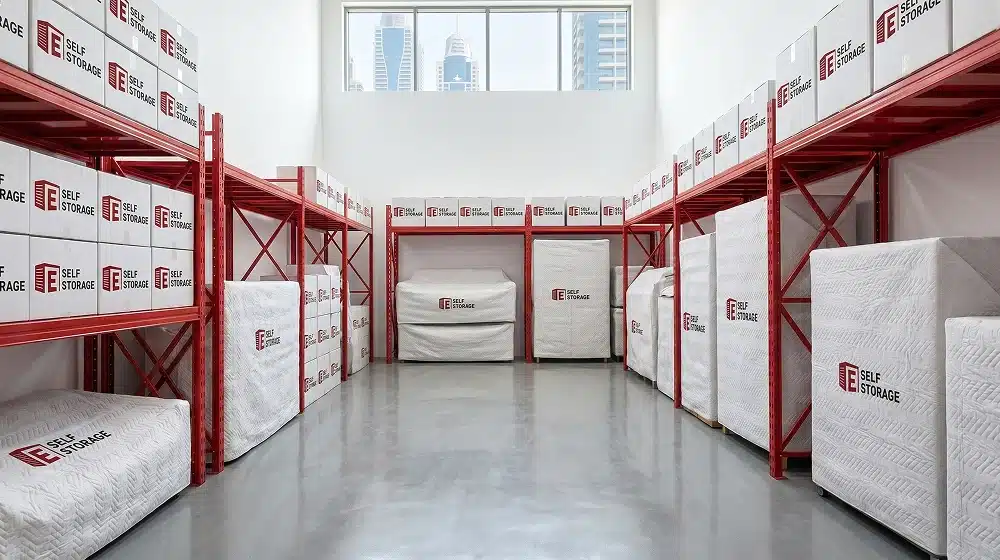
The future of warehousing in Dubai is smart, integrated, and customer‑centric.
Increased Automation
Adoption of robotics, AI, and autonomous vehicles inside warehouses will continue to grow, reducing costs and speeding fulfillment.
Urban Micro‑Fulfillment
Demand for micro‑fulfillment centers will expand as same‑day delivery expectations rise.
Sustainability
Green logistics hubs with solar power, energy‑efficient lighting, and sustainable building materials will become standard.
Regional Distribution Hubs
Dubai will continue to serve not only the UAE but also the GCC, Africa, and South Asia as a distribution hub due to its connectivity and trade agreements.
Conclusion
Warehouses are more than storage spaces; they are dynamic logistics engines that fuel Dubai’s e‑commerce growth and global trade connectivity. From bonded storage in free zones like JAFZA to smart fulfillment centers in Dubai CommerCity, the emirate’s infrastructure blends strategic location with technological innovation. By understanding the types, functions, and future trends in Dubai’s warehouse ecosystem, businesses can make informed decisions that maximize efficiency, reduce cost, and deliver exceptional service in a competitive digital marketplace.
Frequently Asked Questions
Warehouses close to transport hubs and urban centers reduce transit distances and enable faster order processing using integrated fulfillment systems.
A bonded warehouse stores goods without paying customs duty until they are released for use or sale, improving cash flow for importers a common practice in Dubai free zones.
Yes mainland warehousing is possible, but free zones often simplify customs and taxation, especially for export‑oriented sellers.
Micro‑warehouses reduce delivery distances, support next‑day and same‑day delivery, and adapt to rising customer expectations for speed.
AI forecasting, robotics, IoT sensors, and advanced warehouse management systems are transforming warehouse efficiency and accuracy.
Hayyan is a logistics veteran with over 15 years of experience in facility management and spatial optimization. He specializes in warehouse security, climate-controlled storage protocols, and the technical logistics of large-scale moving. His focus is on helping clients maximize their square footage while ensuring the long-term preservation of their inventory and belongings.
Thuraya is a specialist in home organization and residential transition management. With a background in interior space planning, she helps individuals navigate the complexities of downsizing and relocation. She provides expert advice on packing fragile items, choosing optimal storage unit sizes, and turning the stress of moving into a seamless, organized experience.
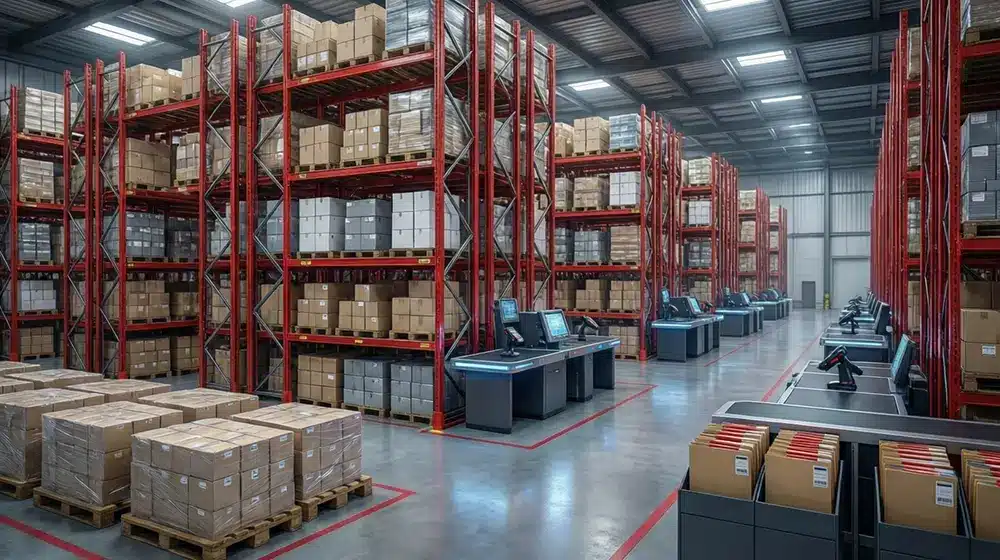 Commercial Storage
E-Commerce Inventory Warehousing Near Dubai’s Industrial Zones: The Ultimate Guide
Written by Hayyan Al-Jasmi | Reviewed by Thuraya Al-Mansoori | Published on August 22, 2025 | Updated on May 18, 2026 E-commerce businesses that…
Read More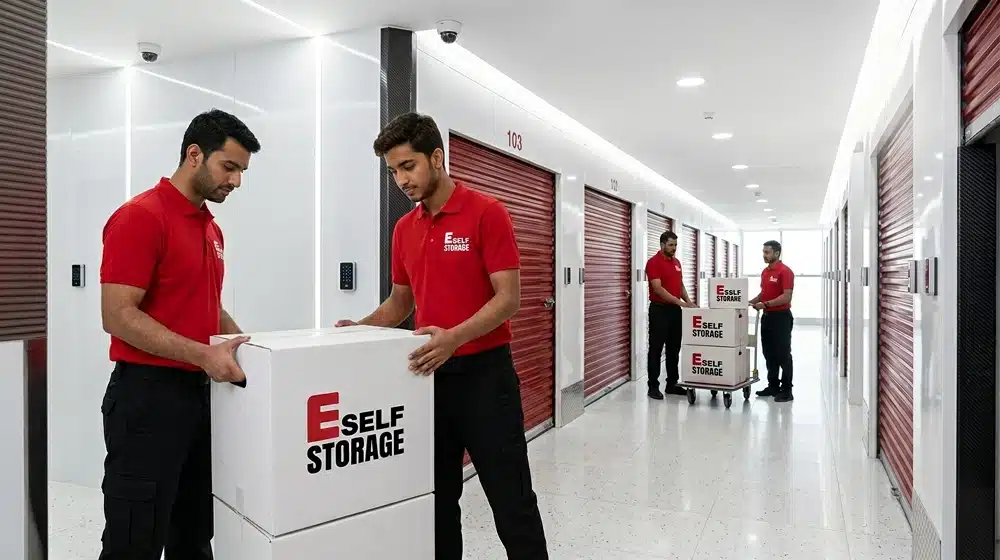 Warehouse in Dubai
Warehouse in Dubai: Types, Functions, and Regulatory Framework Explained
Written by Hayyan Al-Jasmi | Reviewed by Thuraya Al-Mansoori | Published on August 22, 2025 | Updated on May 18, 2026 A warehouse in…
Read More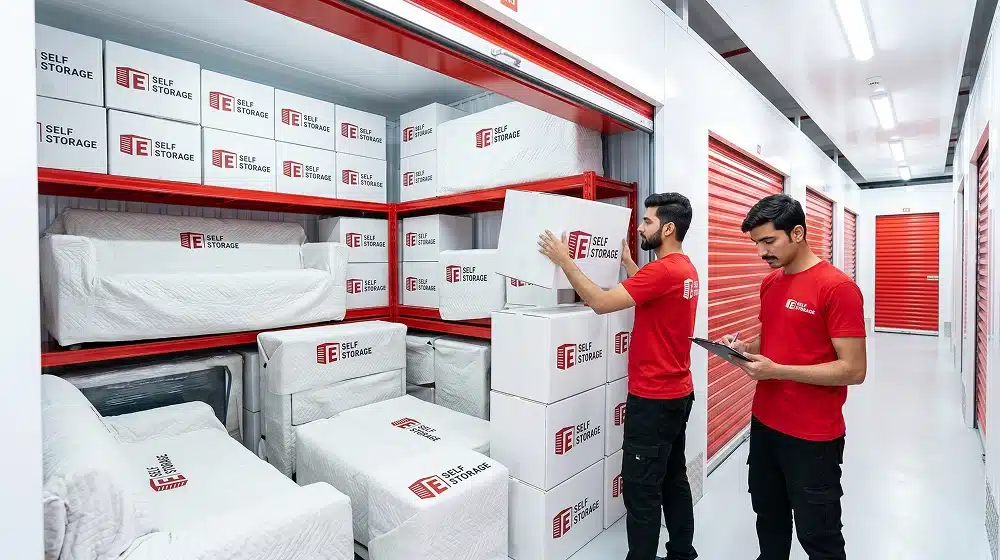 Personal Storage
Expat Guide to Organizing Personal Belongings in Storage Dubai
Written by Hayyan Al-Jasmi | Reviewed by Thuraya Al-Mansoori | Published on August 22, 2025 | Updated on May 18, 2026 Moving to Dubai…
Read More