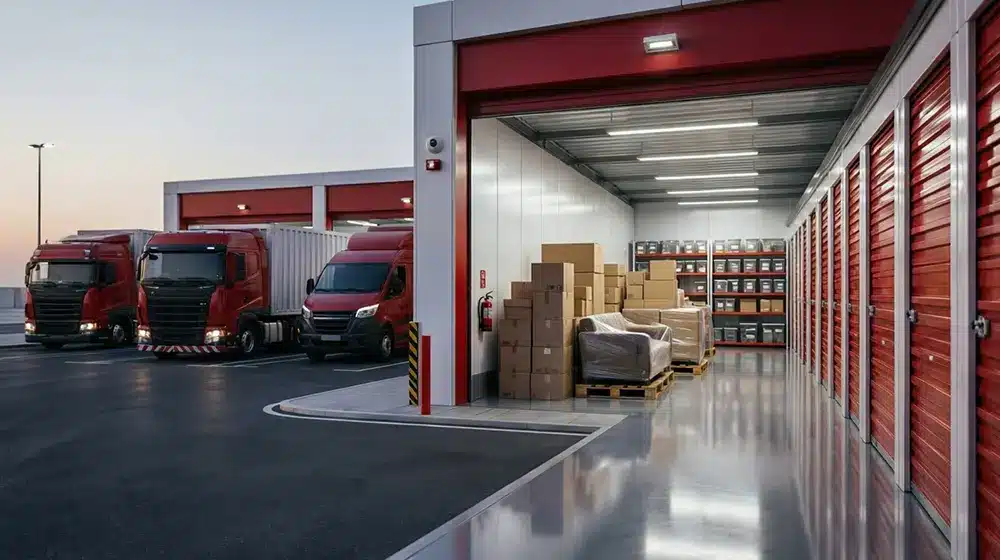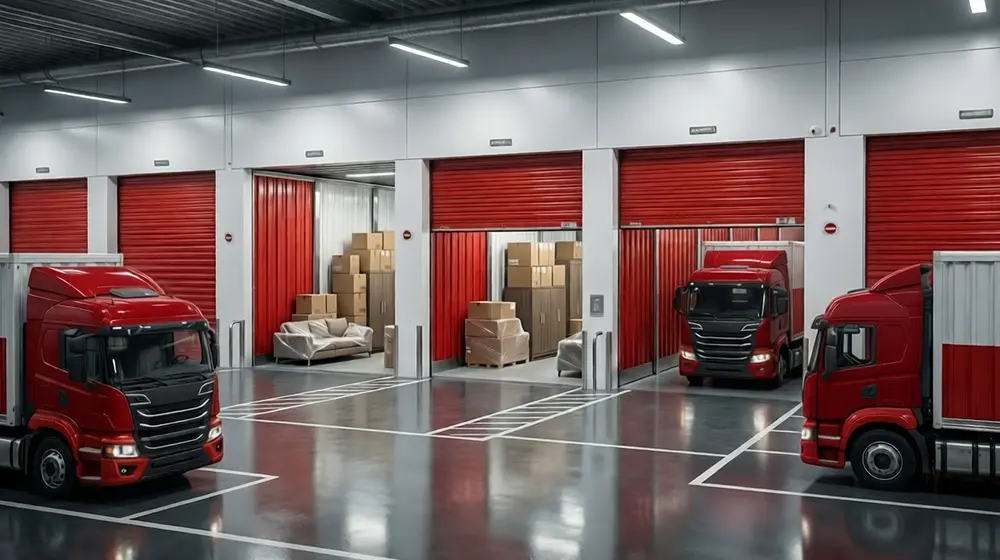
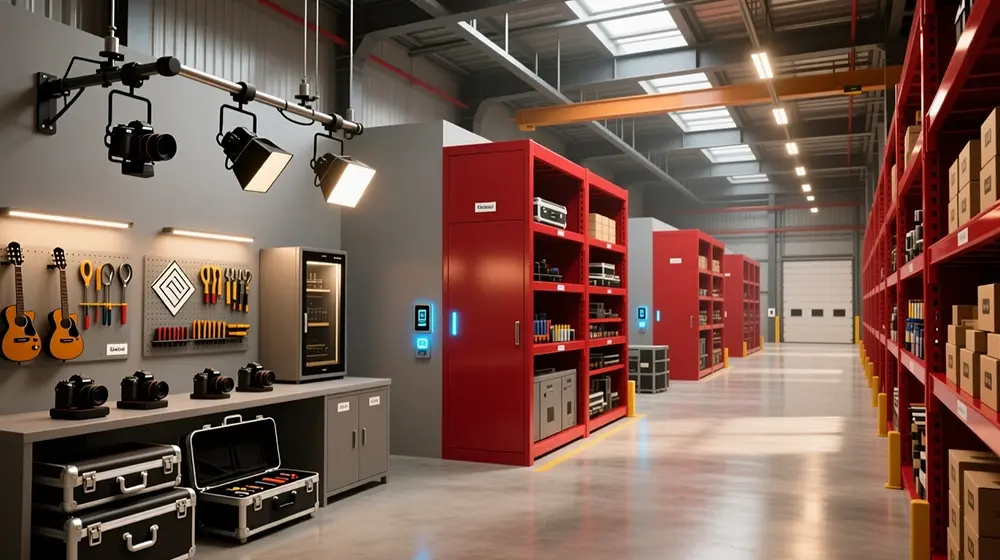
In Dubai, your gear is the backbone of your business. Smart storage isn’t just about clearing floor space — it saves setup time, protects equipment from heat and dust, keeps your team safer, presents a more professional image to clients, and helps you avoid costly repairs or replacements. In a competitive hub like Al Quoz, how you store and manage your equipment can quietly become a real advantage.
Common Equipment Storage Challenges in Al Quoz
Creative industry businesses in Al Quoz tend to face a similar set of storage problems:
Limited Floor Space
Many studios and warehouses in Al Quoz are compact, especially around busy creative clusters, so as your business grows and you add more cameras, lighting, props, and staging equipment, it quickly piles up and eats into your already limited floor space.
Dubai Climate
High temperatures, dust, and humidity in Dubai can quickly degrade sensitive electronics, camera gear, finishes, and artworks if they’re not stored properly. In Al Quoz’s industrial environment, this can result in overheated equipment, dust clogging delicate components, faded finishes, and warped or damaged artwork.
Frequent Equipment Movement
Gear is constantly moving between your Al Quoz studio, on-location sets, event venues, client sites, and storage. Without a clear storage and tracking system, equipment is easily misplaced, forgotten on jobs, or mixed up between projects—costing your team time, money, and sometimes even entire shoots or events.
Shared Spaces and Multi-Purpose Studios
In many Al Quoz creative spaces, one area has to do everything at once—it’s a studio, office, workshop, and storage room all in one. Without a clear storage plan, cables, tools, props, and paperwork quickly become disorganized, slowing your workflow and creating safety risks.
Security Concerns
High-value cameras, lighting rigs, sound systems, and specialist tools need strong, reliable security—especially in industrial areas like Al Quoz. Without proper access control, CCTV, secure locks, and monitored storage, creative businesses risk theft, damage, and costly downtime.
Practical Storage Strategies for Creative Studios, Workshops, and Agencies in Al Quoz
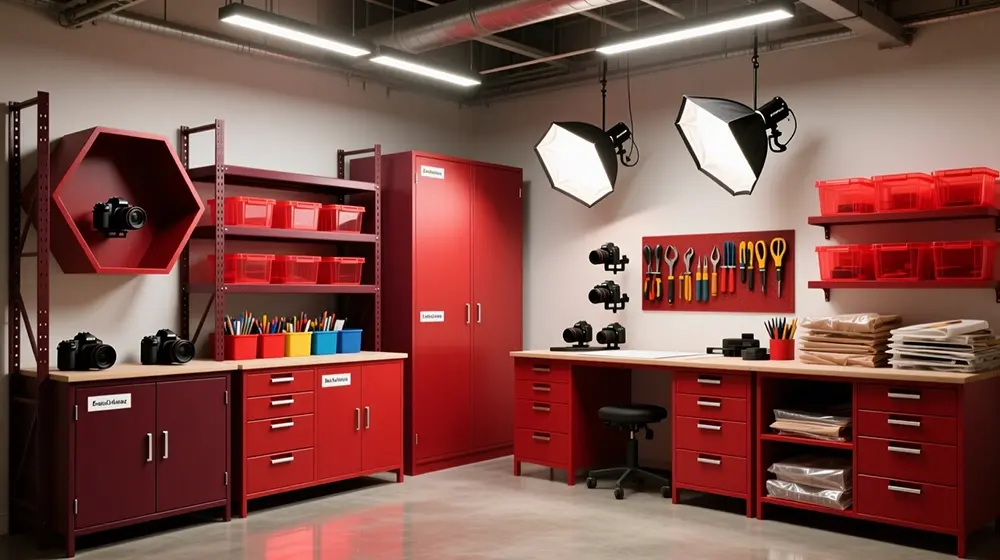
Discover practical storage strategies tailored for creative studios, workshops, and agencies in Al Quoz, helping you organise equipment, save space, and protect high-value gear.
1. Identify What Needs to Be Stored
Before investing in racks, shelves, or extra storage units, start with an equipment audit.
Categorise Your Equipment
Group your items into categories such as:
- Core Production Equipment
Cameras, lenses, lighting, tripods, stands, gimbals, sound gear, monitors, computers.
- Art & Design Materials
Canvases, frames, sculptures, paints, drawing supplies, cutting mats, and printing materials.
- Fabrication & Workshop Tools
Power tools, hand tools, welding equipment, woodworking machines, CNC tools, and safety gear.
- Event & Staging Items
Trusses, stage decks, backdrops, banners, props, costumes, décor.
- IT & Office Equipment
Laptops, screens, printers, networking hardware, cables, backup drives.
- Archived Materials
Old projects, client samples, printed works, documentation, contracts, receipts.
2. Choosing the Right Equipment Storage in Al Quoz for Your Creative Business
Equipment storage for creative businesses in Al Quoz usually involves a mix of:
On-site Storage Units in Al Quoz
On-site storage is best for items you use daily or weekly, and for gear that needs to be readily accessible during shoots, rehearsals, or fabrication work. This can include heavy-duty shelving and pallet racks, wall-mounted racks and pegboards for tools and accessories, lockable cabinets for expensive equipment, and under-desk drawers or mobile trolleys for smaller accessories.
Off-site Self-storage units in Al Quoz
Self-storage units in Al Quoz are ideal for bulky stage sets, large props, and exhibition structures that take up too much room in your studio or warehouse. They’re also perfect for seasonal or project-based equipment you don’t need every day, as well as for long-term archiving of materials and documents, such as past project files, printed work, and client records.
Hybrid Model in Al Quoz
When choosing a storage facility near Al Quoz, look for one that’s easy to reach from your studio and offers extended or 24/7 access so you can access your gear when projects run late or over weekends. Climate control is essential for protecting electronics, artworks, instruments, and media from Dubai’s heat and humidity, while robust security measures, including CCTV, controlled access, individual-unit locks, and alarms, help safeguard high-value equipment.
Climate-Controlled Storage Units
For professionals handling sensitive equipment such as cameras, artwork, and electronics, climate-controlled storage units are essential. These units help maintain an ideal temperature and humidity level to protect delicate materials. A climate-controlled unit helps ensure the equipment remains in optimal condition, preventing warping, rust, and deterioration.
Customised Storage Space
Creative professionals require storage spaces tailored to their specific needs. Whether you need shelves for storing art supplies or racks for hanging large canvases, it’s essential to find a storage facility that allows for customization. Adjustable shelving units, hooks, and compartments for different types of equipment can maximise space and keep everything organised.
3. Plan Your Storage Layout for Maximum Efficiency
Once you know what you’re storing and where, design a practical layout.
Create Clear Zones
Create clear, dedicated zones within your studio so every activity has its own space and nothing overlaps unnecessarily. This zoning approach keeps workflows smooth, safer, and more efficient.
Prioritize Accessibility
Store your most frequently used gear at arm’s height, roughly between your waist and eye level, so your team can grab it quickly without bending or stretching. Keep heavy items on lower shelves rather than on high shelves to reduce the risk of dropping them and causing injury or damage.
Use Vertical Space
In many Al Quoz warehouses and studios, you can take advantage of the typically high ceilings by designing upward instead of outward. Install industrial racking to store large or bulky items off the floor, freeing up valuable working space. Use wall hooks and rails to hang tripods, light stands, and cables so they stay visible, organised, and easy to grab.
Keep Pathways Clear
Leave wide, unobstructed aisles throughout your studio or warehouse so carts and trolleys can move freely without bumping into equipment or people. This makes it faster and safer to move gear between zones or out to vehicles. At the same time, always keep emergency exits, electrical panels, and fire equipment completely clear, with nothing stored in front of them.
Design for Movement
Think carefully about how gear flows in and out of your space to minimise wasted time and heavy lifting. Position your packing and charging areas near the entrance or loading door so equipment can be prepared, charged, and loaded directly into vehicles without crossing the entire studio or warehouse.
4. Protect Equipment from Heat, Dust, and Damage
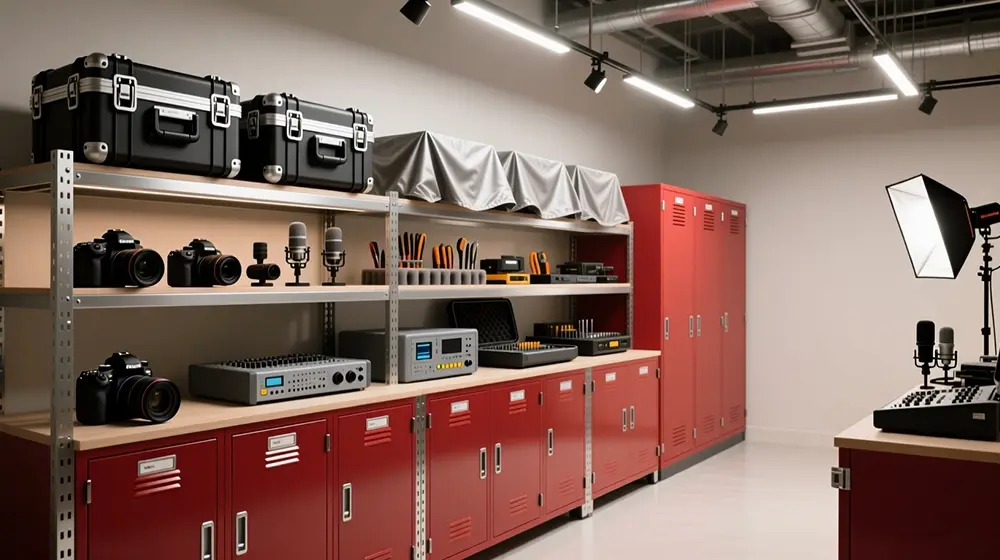
Al Quoz’s industrial environment and Dubai’s climate make equipment protection critical.
Climate and Dust Control
Opt for climate-controlled spaces for electronics, artworks, and sensitive materials. Use sealed cases for cameras, lenses, and sound equipment. Cover shelves and racks with dust covers or curtains where possible. Use silica gel packs in cases and cabinets to reduce moisture.
Safe Handling and Storage
Never stack heavy objects on top of delicate cases. Store lenses upright and in padded compartments. Use foam inserts or padded dividers inside boxes and cases. Secure tall shelves to walls/floor to prevent tipping.
Power & Charging Safety
Set up a dedicated charging station for batteries, lights, and devices. Use surge protectors and avoid overloading outlets. Keep charging away from flammable materials and ensure ventilation.
5. Implement a Labelling and Inventory System
One of the most significant pain points in busy Al Quoz studios and warehouses is lost time searching for gear. A simple system can pay huge dividends.
Labelling Best Practices
- Label every shelf, bin, drawer, and case.
- Use clear, consistent names (e.g., “LED Panels – Aputure”, “Audio – Wireless Kits”).
- Colour-code by category (e.g., red for lighting, blue for audio, green for camera).
- Add both text and icons for quick visual recognition.
Inventory Tracking
Inventory tracking is one of the best ways to keep your equipment safe.
At minimum:
- Maintain a shared spreadsheet that lists each item, its serial number, location, and condition.
For more advanced setups:
- Use inventory or asset management software with Barcodes or QR codes on each item to enable staff to track check-ins and check-outs.
Benefits:
- Faster packing for shoots and events.
- Fewer lost or misplaced items.
- Easier insurance claims if anything is lost, damaged, or stolen.
6. Security and Insurance for High-Value Equipment
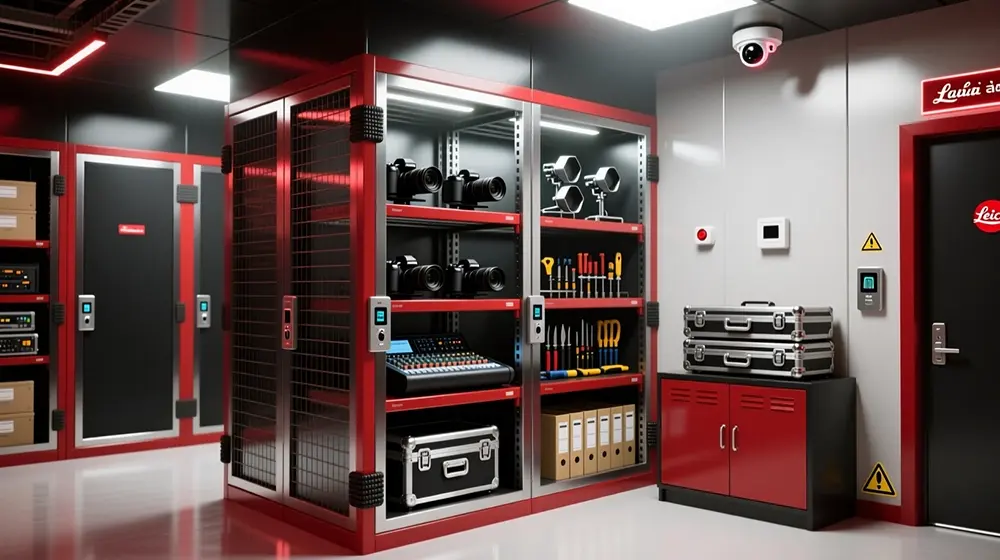
Creative equipment is expensive—protecting it is non-negotiable.
Physical Security
Install CCTV cameras covering storage areas and entry points. Use high-quality locks on doors, cabinets, and cases. Limit access to sensitive areas using keycards or access codes. Keep delivery/collection areas supervised where possible.
Policies and Procedures
Implement a sign-in / sign-out process for high-value gear. Maintain up-to-date asset lists with serial numbers and train staff on basic security and closing procedures.
Insurance
Consider business contents or equipment insurance that covers theft, fire, and water damage, as well as accidental damage during transport or on location: store photos, invoices, and serial numbers for all significant assets.
7. Tailored Tips by Creative Sector in Al Quoz
Different creative sectors have specific storage needs. Here are some tailored best practices:
Photography & Videography Studios
Use compartmentalised drawers for lenses, filters, batteries, and memory cards. Allocate one “ready-to-go” shelf or case per common shoot type (e.g., product, portrait, event) to speed up packing—store backdrops on rolls or hanging systems to avoid creasing. Keep a dedicated cleaning station with lens cloths, blowers, and maintenance supplies.
Art galleries, Studios, and Creative Workshops
Use racking systems for canvases and framed works, stored vertically. Store sculptures and 3D works on sturdy shelves—separate chemicals, paints, and solvents in ventilated, compliant cabinets. Maintain stable temperature and humidity for sensitive materials.
Fabrication, Set-building, and Design workshops
Use heavy-duty racks for wood, metal, panels, and large materials. Create separate zones for raw materials, work-in-progress, and finished pieces. Use shadow boards or pegboards to see what’s missing with tools instantly. Store PPE (helmets, goggles, gloves) close to the workshop entrance.
Event, Production, and Entertainment Companies
Store gear in labelled flight cases organised by event type or gear category. Use pallets or wheeled bases for heavy props and staging components. Keep cable trunks carefully coiled and labelled by length/type. Maintain a staging area where kits can be assembled for each event before loading.
8. Safety, Compliance, and Staff Training
Good storage is also about safety and compliance.
- Keep fire exits, extinguishers, and electrical panels clear.
- Store flammable materials (paints, solvents, sprays) in appropriate safety cabinets.
- Make sure heavy items are lifted safely—use trolleys, pallet jacks, or team lifts.
- Train all staff on: Where items are stored. How to return gear after use.How to report damage or missing items. This reduces accidents, downtime, and confusion during busy projects.
9. Keep Improving Your Storage Over Time
Storage is not a one-time project—it should evolve with your business.
- Review your layout every 6–12 months as you add new equipment.
- Retire, sell, or dispose of gear you no longer use to free up space.
- Track what staff frequently struggle to find and adjust the system accordingly.
- Consider upgrades such as improved shelving, additional labelling, or off-site storage as you grow.
Storage Facilities near Al Quoz: What to Look For
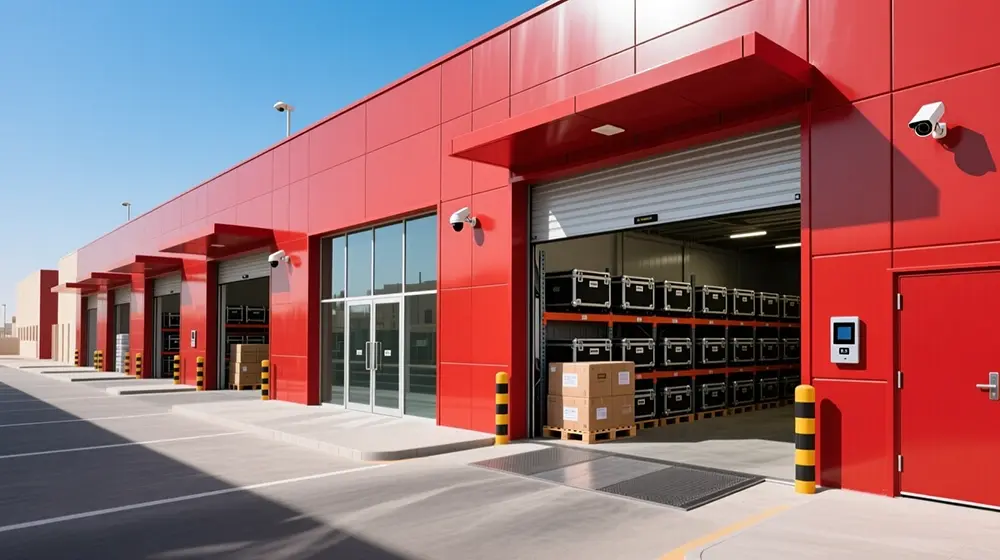
Location & access: Easy access from your studio, with extended or 24/7 hours for late-night or weekend work.
Climate control: Essential for electronics, artworks, instruments, and media.
Security: CCTV, controlled access, individual-unit locks, alarms.
Scalability: Ability to upgrade or downsize your unit as your business evolves.
Conclusion
For creative industry businesses in Al Quoz, efficient equipment storage is essential to smooth operations. With the right mix of on-site organisation, off-site storage options, inventory systems, and security measures, you can protect your gear, work more efficiently, and create a safer, more professional environment for your team and clients.
Hayyan is a logistics veteran with over 15 years of experience in facility management and spatial optimization. He specializes in warehouse security, climate-controlled storage protocols, and the technical logistics of large-scale moving. His focus is on helping clients maximize their square footage while ensuring the long-term preservation of their inventory and belongings.
Thuraya is a specialist in home organization and residential transition management. With a background in interior space planning, she helps individuals navigate the complexities of downsizing and relocation. She provides expert advice on packing fragile items, choosing optimal storage unit sizes, and turning the stress of moving into a seamless, organized experience.