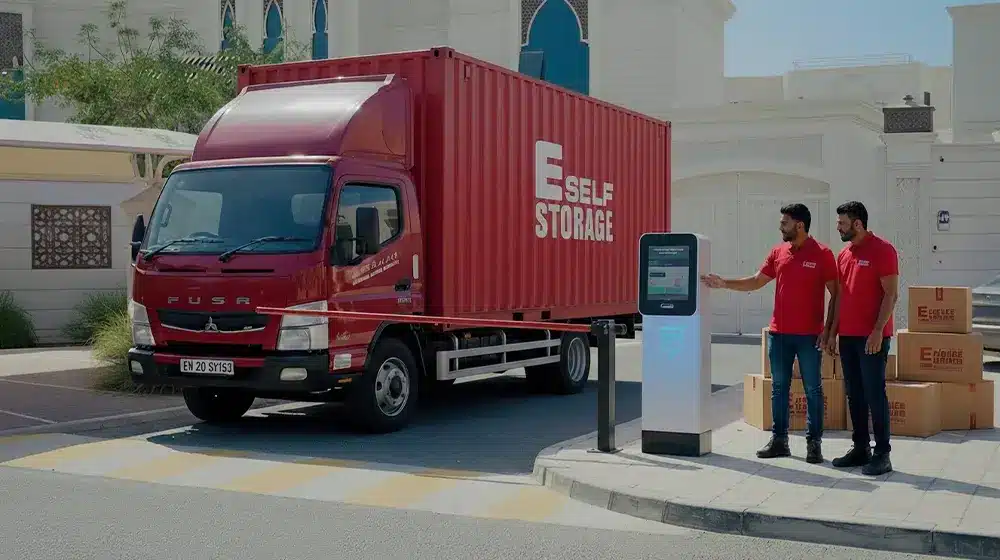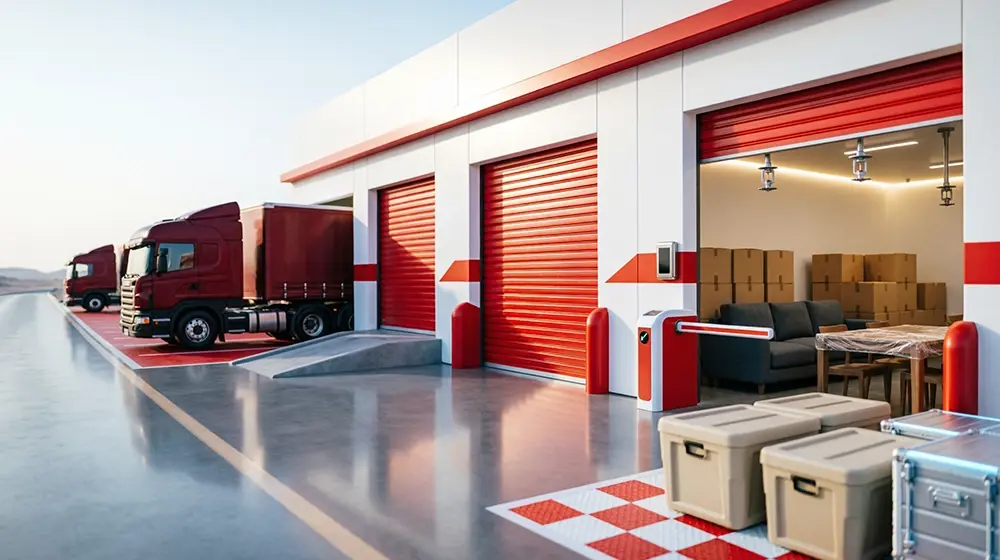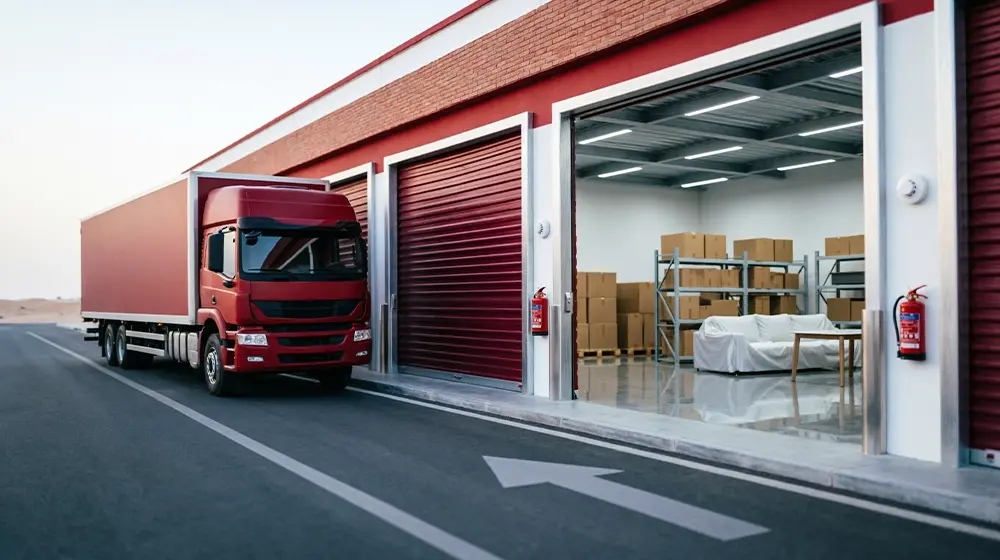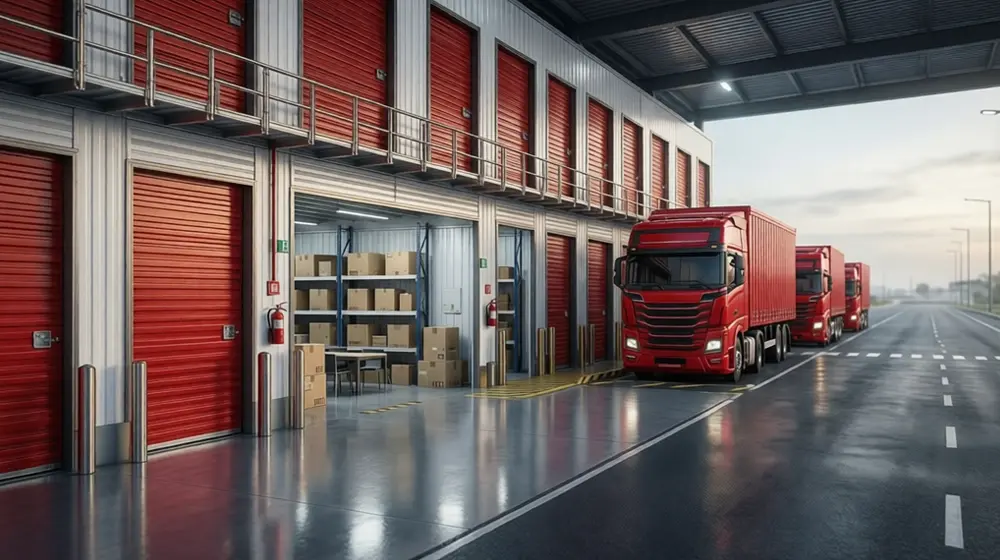
Dubai is growing fast in the business sector and creating new jobs in trade, transportation of goods, and sales, so it needs more storage facilities. Now businesses require a decent location to keep their inventory, tools of the trade, documents, and online purchases. More shops and more trade, and it is good to have a place where you can store all of them easily and safely, but not like you just rent yourself a storage unit in Dubai. You know what it’s like to protect your business and the laws, rules, technical specifications, and processes.
This article provides a comprehensive overview of renting storage units in Dubai. It tells you what type of places you can use, what rules you have to know, what papers you need to get, and how much it can actually cost. It also gives you some tips on how to choose the best way to keep your things safe.
Understanding Commercial Storage in Dubai
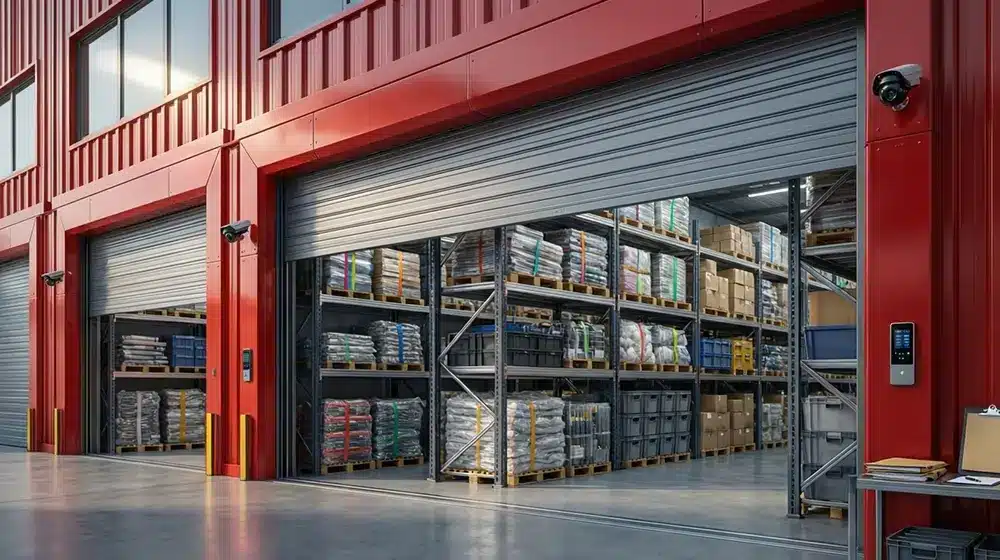
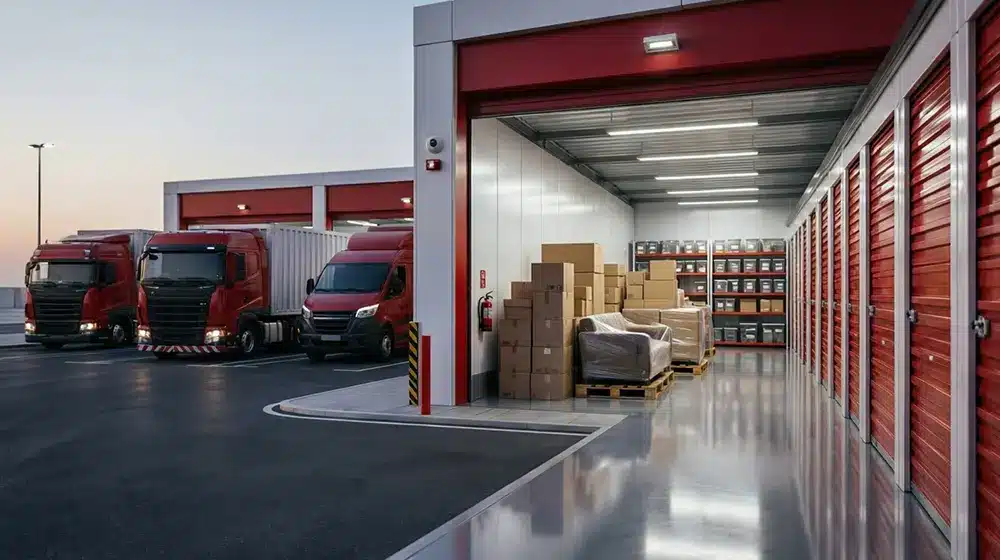
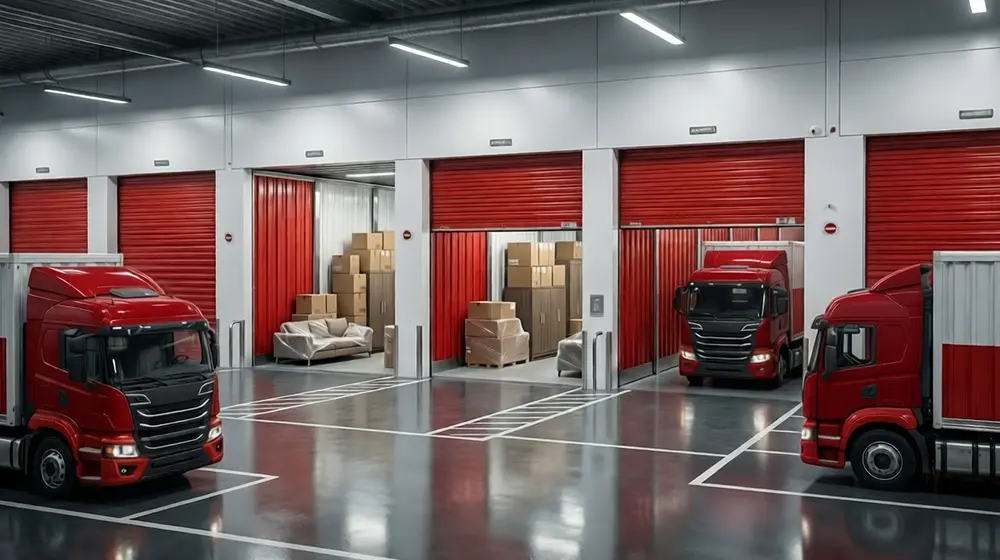
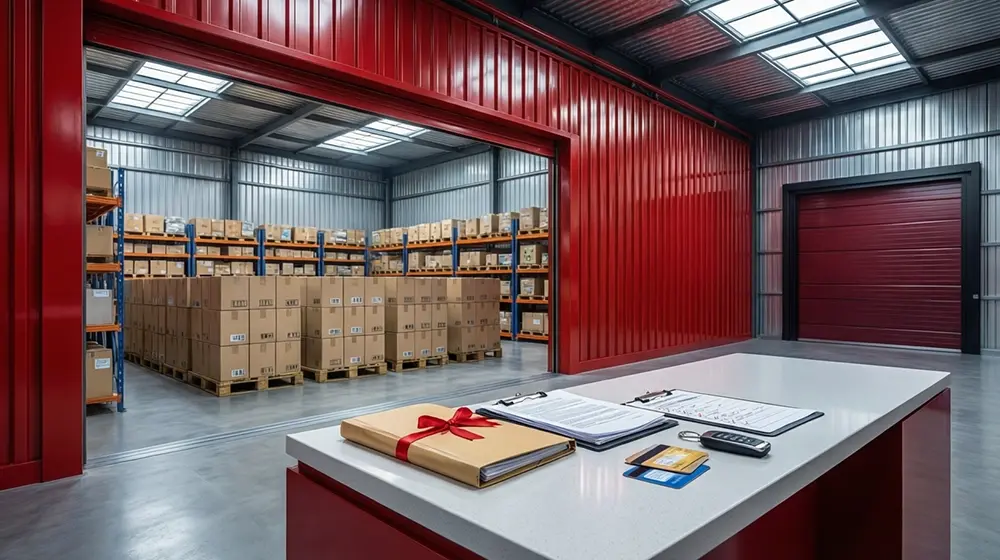
Commercial storage within Dubai can refer to any facility employed by businesses for the purpose of housing goods, equipment, supplies, or information. They go from small safe places to keep things to large buildings and places to move and store things. Generic storage commercial containers are used by small companies. These containers are used to store stock, tools, promotional material, and seasonal items.
Warehouses
In the production zones, they stock and distribute numerous units at massive warehouses. A few of those are cold storage where everything is needed in a different atmosphere,e like medicines, food deliveries, cosmetics, and many more. Also, they make sure that your important documents and records are kept in climate-controlled storage where the temperature and humidity are controlled to make sure the information is kept for years to come.
Third-party logistics and fulfillment centers
They aren’t just your warehouse; they’re the ones who’re taking care of the really important parts of your supply chain. The centres in Dubai will not only provide you with the warehousing space you need but will also give you value-added services like receiving goods from your suppliers, storing them safely, picking and packing orders for your customers, labelling and arranging for delivery or shipping. These practices are advantageous for e-commerce businesses because they allow these companies to offload the challenging and expensive logistical processes.
Quick Tip: Before you start your search, make a list of what you need to store in detail, like type, amount, value, temperature or moisture sensitivity. This will help us see what type of place and what kind of contract we need to have.
Legal and Regulatory Requirements
The regulatory environment governing commercial properties in Dubai, including storage units, is uncomplicated. To know these laws so as not get into trouble or get arrested by them.
Trade Licenses and Permitted Activities
To rent and operate from a commercial storage facility in Dubai, your business must hold a valid trade license issued by the Dubai economy and tourism department. Free zone authorities rely on the site of the facility.
Your license must:
Make sure your trade license is valid and up to date, and that it clearly matches the type of goods you plan to store, such as trading, import/export, food, or pharmaceuticals. This helps you stay compliant with regulations and avoid problems with landlords or authorities.
Landlords and warehouse operators will often request:
So landlords and warehouse owners will ask you for business documents, mostly like shareholder IDs and managers’ IDs, a passport copy, and maybe they will ask you for your current office lease too. And if you want to stock controlled goods, medicines, chemicals, or food, then be sure to have the correct activity codes in your trade license and ask what other approvals you need from local authorities or regulators. Or, local governments.
Compliance with Dubai Municipality and Civil Defence
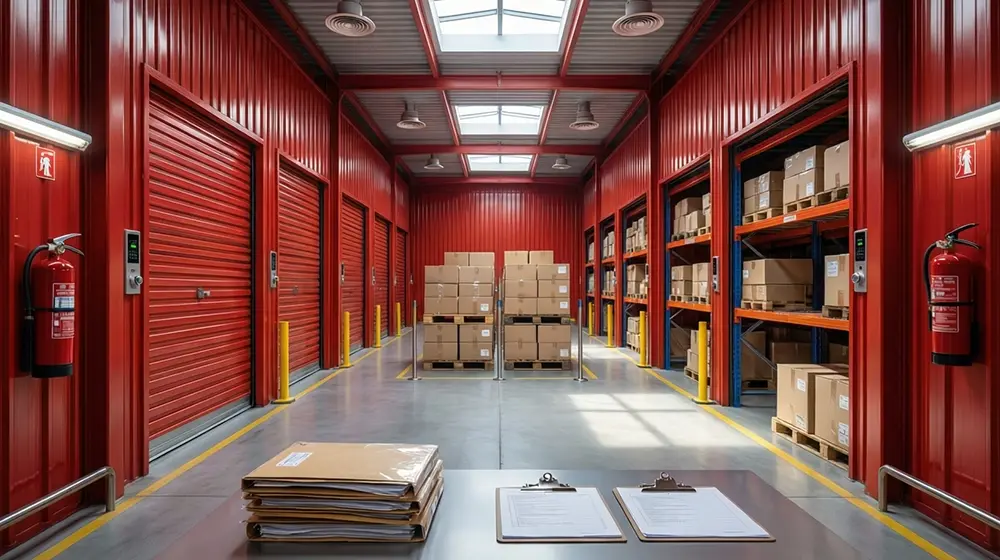
Commercial storage facilities in Dubai must comply with:
- Dubai Municipality regulations on health, safety, zoning, and environmental standards
- Dubai Civil Defence (DCD) requirements for fire safety and emergency systems
As a tenant, you are usually responsible for:
If they do not have the permission to keep the safety stacking and racking of dangerous tools, then the aisles are clear for an exit in case of an emergency. And if you place any item in your room, be sure you use the right electric stuff and the right air and heat unit.s
Landlords are generally responsible for:
Fire alarms need to be put in all homes and workspaces. They make a loud sound if there is smoke or fire. This helps people know they need to go out fast. Signs and lights show ways out, places to stay safe, and other things people need to see. When there is a fire, clear signs help folks find their way. Some buildings in Dubai do not follow all the rules that are set by law. These places may not be safe when trouble comes.
Things to confirm before leasing:
When leasing a storage facility, make sure the property is officially zoned and approved for warehouse or storage use. Also, confirm that your specific purpose—such as cold storage, storing chemicals, or housing heavy machinery—is clearly authorised for that location.
Documentation Required to Lease Commercial Storage
While exact requirements vary by provider and zone, you will typically need:
For companies
- Valid trade license copy
- Passport and visa copies of the shareholder(s) / manager
- Emirates ID (for UAE residents)
- Company establishment documents (Memorandum of Association, shareholder resolution, if required)
- Contact details (address, phone, email)
- Sometimes: bank details or proof of funds, especially for larger spaces
For Individual or Small Business User
- Passport copy
- UAE visa and Emirates ID (if resident)
- Contact information and emergency contact
Lease and registration
Depending on the type of facility:
- For warehouses and long-term commercial rentals on the mainland, a lease should generally be registered with Ejari (Dubai’s official tenancy registration system).
- In free zones or managed storage facilities, the operator may issue a facility agreement or license addendum instead of a standard Ejari contract.
Quick Tip: Always ask whether your lease will be registered (Ejari or zone equivalent). This can protect your rights in case of disputes and is sometimes required for services such as visas, utilities, and banking.
Key Lease Terms and Conditions to Understand
Key Storage Lease Terms and Conditions to Familiarise Yourself With are the primary elements of a storage rental agreement that you should understand before signing the lease: lease duration, rental price and payment schedule, items permitted or prohibited, access protocols, and insurance coverage. And now you know why you have to know all that crapso you don’t have to pay all those fees, those fines or go to jail.
Lease duration
Common options include:
- Monthly or quarterly contracts for small self‑storage units
- Annual leases for warehouses and larger spaces
- Multi‑year agreements for big logistics operations or built‑to‑suit facilities
Clarify:
- Minimum commitment period
- Notice period for termination or non‑renewal
- Penalties for early termination
Rent and payment terms
Commercial storage rent in Dubai can be structured as:
- Annual rent, payable in 1–4 cheques (common for warehouses)
- Monthly rent, payable via card, direct debit, or bank transfer (common for self‑storage)
Check for:
- Security deposit amount and refund conditions
- Additional charges: service charges, utility charges, VAT, insurance or maintenance fees
- Grace period for rent payment before late fees apply
Pro Tip: Negotiate rent based on size, location, and commitment length. Longer leases or upfront payments can sometimes unlock better rates or free additional services (e.g., free pallet racking or discounted forklifting).
Service inclusions and exclusions
Always confirm what is and isn’t included:
May be included:
- Basic security (CCTV, access control)
- Common area lighting and maintenance
- Fire safety systems
Often excluded:
So, little things they don’t add in a lease storage, like if you use too much electricity, internet, and clean inside the unit. You also might have to take your own racking, shelving, pallet, etc., so include that in your storage needs equation too.
Access rights and hours
Storage facilities may have:
- 24/7 access with access cards or codes
- Restricted hours (e.g., 8 AM–8 PM), especially within mixed-use complexes
Also clarify:
- Visitor entry policy (drivers, subcontractors, 3PL partners)
- Loading/unloading rules (time limits, booking system, peak-hour restrictions)
Did You Know? Some modern facilities in Dubai now offer app-based access control, allowing you to open gates and unit doors using your smartphone and share temporary access with staff or partners.
Insurance and liability
Ask specifically about:
- Whether building insurance is included (it usually covers structure, not your goods)
- Requirements to purchase contents insurance for your stock
- Who is responsible in case of fire, theft, flooding, or power failure
Many providers clearly state: “Store at your own risk.” In such cases, it’s vital to check insurance or goods-in-storage insurance, and remember the stuff that is in there. Abide by all safety measures to ensure your presence.
Operational and Technical Requirements
These requirements explain what you are allowed to store, what’s prohibited and what approvals you need if you modify the storage unit.
Storage and prohibited items
Typically not allowed in standard commercial storage unless specifically approved: explosives, inflammables, poisonsAnimals or plants. Foodstuffs or perishables, unless kept in cold storage. Meds. Don’t forget to ask for the list of contrabands in the institution.
Construction and modifications.
If you plan to install racking, cold rooms, mezzanines, or machinery, Landlords signature approval. Compliance with Dubai Civil Defence and other relevant entities. Ask trained pros when you need to.
Clarify who pays for:
So, who set up and who came back to put the storage back? Initial fit-out is the expense and the construction of racking or rooms within the warehouse. ‘Licensing approvals ‘ mean securing all necessary permissions before implementing those changes. When the lease ends, you must bring the place back to how it was before, and this may also need you to spend some cash.
HSE
Your business may need to follow internal and external HSE standards, including: Lifting books. Drive the forklift and other machines safely. Properly dispose of the garbage for packing or broken items. Ensure that your employees wear ppe helmet, vests, and shoes if required. In some places,s you’ll get audited every once in a while.
Cost Factors When Leasing Commercial Storage in Dubai
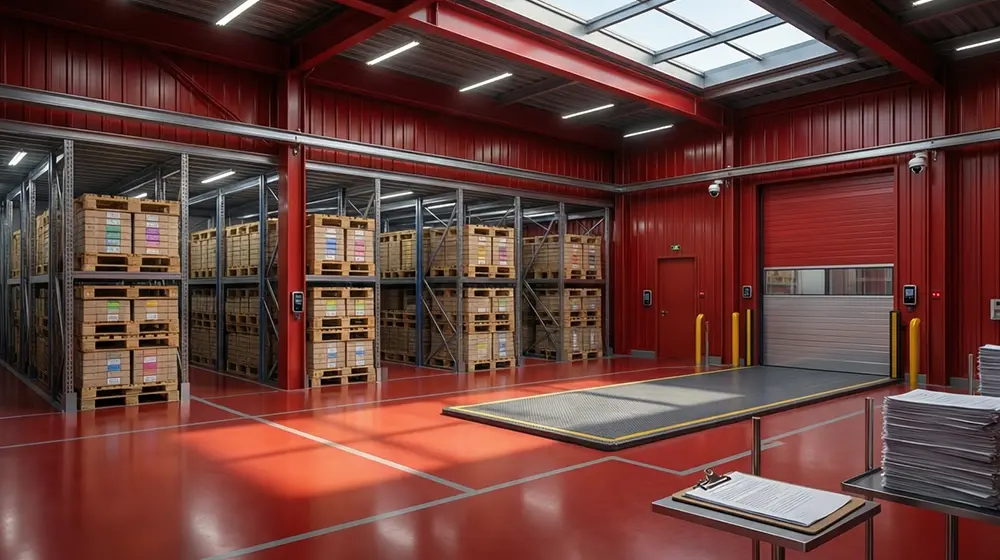
The cost of storage depends on multiple variables:
Locations’ cost implications for premium logistics sites
Following this, analysis shifts toward evaluating cost factors in storage facilities within major transportation hubs in Dubai, such as primary logistics centres, which are often more costly due to optimal accessibility via road, maritime, or air transport networks.
Size and design
Rental cost is generally computed on a per-square-foot or per-cubic-meter basis for high-rack configurations. In taller structures, racking can facilitate substantial volume increases without expanded floor requirements.
Facilities
However, temperature-controlled or refrigerated storage incurs higher costs compared to standard dry storage. Contemporary homes equipped with security personnel, automation systems, and state-of-the-art smoke detectors are priced higher.
Contractual flexibility
When contracts are short-term or highly flexible, monthly charges are typically increased. Longer times you sign up for, most often pay less money.
Reality Check: Dubai warehouse and industrial rental prices have increased due to demand from e-commerce, logistics, and manufacturing sectors. Before negotiating, it’s always a good idea to do some research on the latest market reports so you know what the price is.
Choosing the Right Commercial Storage Provider
When you’re looking for storages don’t look for just the price.
Safety and accessibility
Look for: 24/7 CCTV, gated entry and locks on the units. Security guard, bright and easy to find ways out.
Management and support
A reliable provider should offer: Define and document terms and conditions, timely maintenance intervention, customer service.
Tip: If you can, try to go to the facility at different times of the day. This way, you can judge if the loading dock is crowded or noisy, and if the access is actually as advertised, not just like the salesperson says.
Mainland vs Free Zone vs Self-Storage: What’s Best?
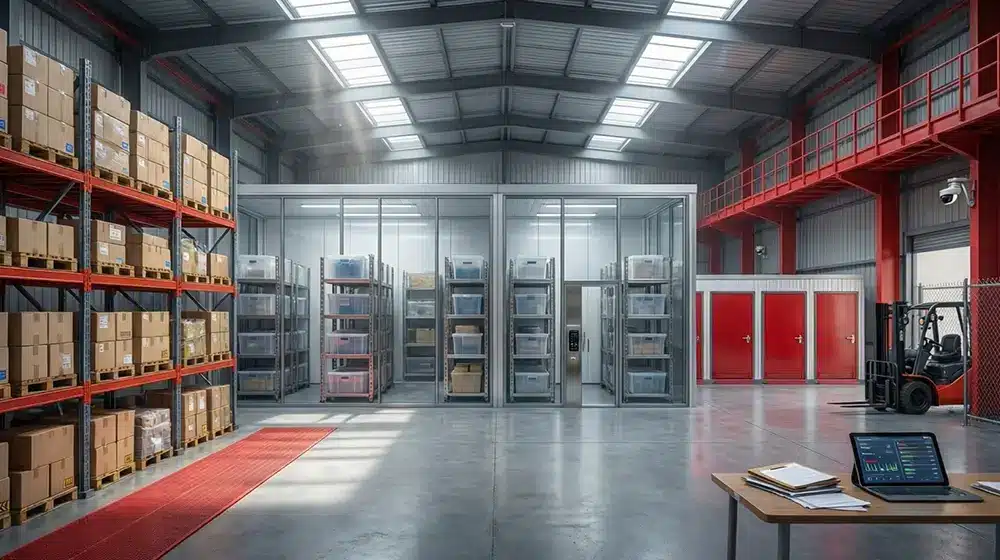
Mainland warehouses are best for businesses with large domestic markets in the uae:
Most of the time, bigger areas and fewer limitations with local delivery. Ejari is associated with that lease, which is useful for certain government services.
Free zone storage: Great for import export and re-export business. Usually found close to docks and air strips. Might allow foreigners to own 100 per cent, exemption from duties, and streamlined customs
self-storage and co-working rule, provisional, extensible: Great for new start-ups, small businesses, online vendors. Occasionally, supplementary services like trolleys, packing supplies, and minimal insurance coverage.
Did you know? Some of the suppliers in Dubai are even using flexi warehousing models where you only pay for the space you need by pallet or by cubic metre instead of renting a fixed size uni.t This is perfect for businesses with variable stock.
Step-by-Step Process to Lease Commercial Storage in Dubai
Check your business license. Make sure your papers are right. See if you have all you need to run your shop. Look at your license and check the date. If it is not new, get a new one soon. If you sell things or give a service, you need to have this. If you are not sure, ask someone for help. Do not wait. Check your license now. Make sure that you do the activities that you put the right thing.
- Narrow the school: On the internet, an industrial property broker or the free zone authority.
- Come and see: Security, availability, state, and safety system examinations.
- Inquire for quotations: Rent price, deposit, and service contract.
- Law language: Read the lease carefully and consult an attorney for long-term or high-value leases.
- Proof: Trade licenses, id’s, company docs, approvals, etc.
- Sign. Register. Lease; check Ejari/Free Zone?
- Carriage and insurance: Insurance, moving of goods, work tools, and the team.
- Follow: facility rules, safety, and paperwork.
Common Mistakes to Avoid
If you rent a small and short place that doesn’t let you grow. Having no insurance on their valuable stocks. Not caring about the hours we have to be open and making the business late. Not looking at the not allowed. If the landlord pays for all the damage and repairs. Forgetting to make sure that the property is stored legally. Storage Strategy: Position storage as a primary component of your supply chain, not a supplementary aspect. A bad facility may make you spend more and slow you down.
Conclusion
Commercial storage rental in Dubai is not merely about locating a facility. Trade license and storage: Your trade license should correlate with your storage, and you should comply with local and civil defence regulations. You also want to learn about leases and choose a place that will work for your business. You can, by studying the legal, technical and commercial requirements and following the guidance and checklists in this guide, locate a secure, legal, cost-effective storage solution that will ultimately support your business in long term success in Dubai.
Frequently Asked Questions
Who needs commercial storage in Dubai?
What types of commercial storage are available?
Do I need a trade licence to rent storage?
What items are usually not allowed in storage?
What safety and compliance rules apply?
How is rent usually structured?
Should I get insurance for stored goods?
What is the difference between mainland, free zone, and self-storage?
Hayyan is a logistics veteran with over 15 years of experience in facility management and spatial optimization. He specializes in warehouse security, climate-controlled storage protocols, and the technical logistics of large-scale moving. His focus is on helping clients maximize their square footage while ensuring the long-term preservation of their inventory and belongings.
Thuraya is a specialist in home organization and residential transition management. With a background in interior space planning, she helps individuals navigate the complexities of downsizing and relocation. She provides expert advice on packing fragile items, choosing optimal storage unit sizes, and turning the stress of moving into a seamless, organized experience.