
Dubai Apartment Storage Size Calculator: What Fits in 16, 25, 50, and 100+ sq ft Units?
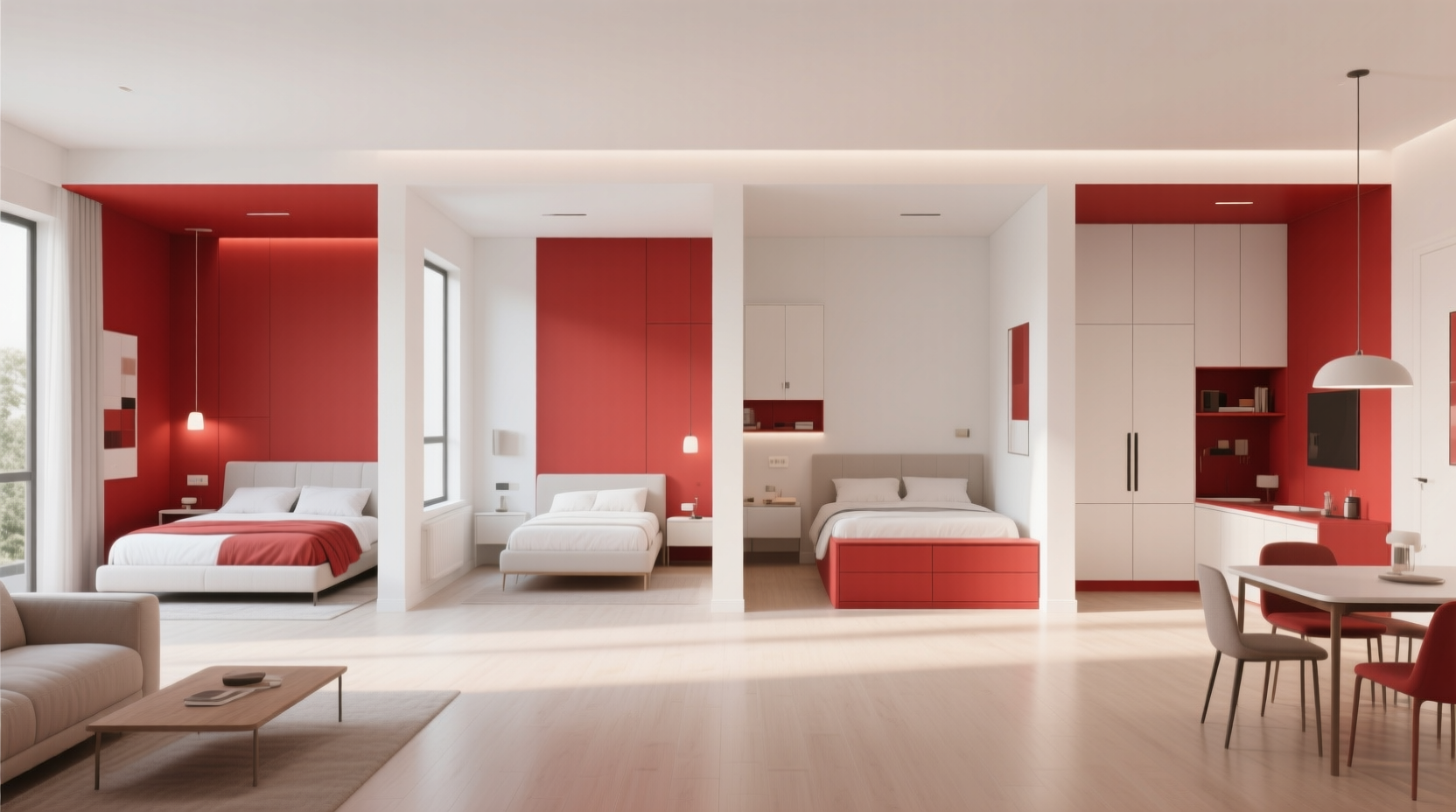
Choosing the right storage unit size is a cost decision, a packing decision, and a protection decision. That is why apartment residents in Dubai usually get stuck on the same question: what size unit fits a studio, a 1-bedroom apartment, a 2-bedroom apartment, or a 3-bedroom apartment without wasting money on unused space?
This guide works as a practical apartment storage size calculator. It helps you match your apartment type, item volume, and storage goal to four common unit ranges: 16 sq ft, 25 sq ft, 50 sq ft, and 100+ sq ft. Instead of guessing from floor area alone, this guide breaks the decision down by what you are storing, how completely you are storing it, and how efficiently you pack it.
That distinction matters. A studio apartment with only seasonal items and boxes can fit into a much smaller unit than a studio apartment with a sofa, mattress, desk, luggage, and sports gear. A 1-bedroom apartment with partial storage needs can fit into 25 sq ft, while a full move-out may need 50 sq ft or more. A 2-bedroom or 3-bedroom apartment can fit into 100+ sq ft, but only if furniture is packed correctly and the estimate is based on real contents, not the apartment label alone.
This article answers the most important questions clearly: what fits into each unit size, which size usually matches each apartment type, what increases or reduces the space you need, when box-only storage is enough, and when climate control matters for furniture, electronics, paper records, and delicate household items.
How should you use this Dubai apartment size calculator?
Use this size calculator by matching three factors first: apartment type, storage scope, and item profile.
Apartment type is only the starting point. A studio apartment can contain very little furniture or far more than expected. A 1-bedroom apartment can be lightly furnished or fully loaded with work-from-home equipment, gym gear, extra shelving, balcony furniture, and travel luggage. The right storage estimate starts with what is inside the apartment, not only the apartment label.
Use this guide in four steps:
- Identify your apartment type.
Studio, 1-bedroom, 2-bedroom, or 3-bedroom. - Identify your storage scope.
Partial storage, near-full storage, or full household storage. - Identify your item profile.
Boxes only, mixed household goods, bulky furniture, or sensitive items. - Match the result to the nearest unit size.
16 sq ft, 25 sq ft, 50 sq ft, or 100+ sq ft.
This method is more accurate than guessing from square footage alone because storage units hold stacked volume, not flat apartment space. A unit estimate changes when furniture is dismantled, boxes are uniform, or vertical space is used properly.
Why does storage unit size matter?
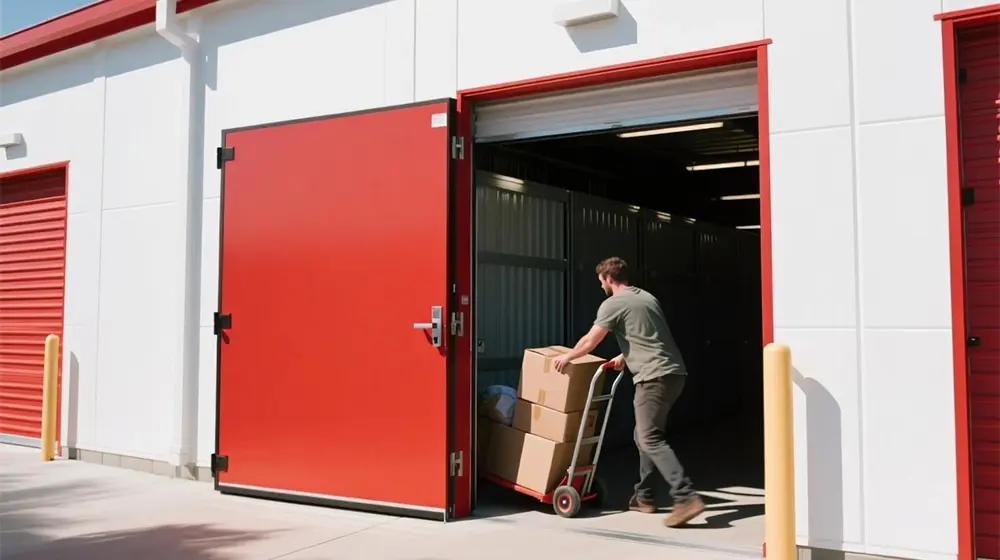
Storage unit size matters because the wrong estimate creates either wasted spend or unsafe packing.
A unit that is too small forces boxes into unstable stacks, presses furniture against walls, and removes access space. That increases breakage risk and makes retrieval harder. A unit that is too large leaves paid space empty. Both outcomes reduce value.
The correct size improves five things at once:
- Cost control
- Packing efficiency
- Item protection
- Access and organization
- Future flexibility
This is why a size guide matters most during moves, temporary travel, renovation, downsizing, and apartment decluttering. Those situations create fast decisions, and fast decisions often lead to poor sizing.
Many residents also underestimate how much space loose household items consume. Ten medium cartons, two side tables, a desk chair, a microwave, folded luggage, and a rug already take more room than people expect. Storage feels smaller when the estimate ignores box count, odd shapes, and access paths.
The better approach is to choose a size that fits the real storage goal. If you only need to remove clutter, a smaller unit or box-based solution works. If you are clearing an apartment before travel, renovation, or a tenancy change, you need to size for the whole storage event, not only the largest furniture pieces.
What changes the storage size you need?
Seven variables change the storage size you need more than the apartment label itself.
1. How complete the storage is
A partial storage plan needs much less space than a full move-out plan. Seasonal items, documents, luggage, and a few small furniture pieces fit differently from a complete household transfer.
2. Furniture size
A compact two-seat sofa and a sectional sofa do not belong in the same estimate. The same applies to queen beds versus king beds, foldable dining tables versus six-seat dining sets, and open shelving versus full wardrobes.
3. Box count
Boxes consume space faster than people expect. Books, kitchenware, files, décor, shoes, and children’s items can fill a unit even when the furniture count is low.
4. Packing quality
Disassembled furniture, uniform box sizes, and stacked vertical loading reduce the space you need. Poor packing increases dead space.
5. Access frequency
If you need regular access to items, the unit must include a walkway and front-access placement. That increases the size requirement.
6. Sensitive materials
Wood, leather, electronics, and paper records may need more controlled storage conditions and more careful spacing. They cannot always be packed as tightly as ordinary cartons.
7. Growth margin
A good estimate includes a small margin for items added later. Last-minute cartons, cleaning equipment, or travel bags often appear after the initial packing plan is made.
These seven variables explain why apartment type alone is not enough. The more accurate question is not “What size is the apartment?” It is “What exactly is leaving the apartment, and how completely is it being stored?”
What fits in a 16 sq ft storage unit?
A 16 sq ft storage unit fits compact personal storage, not full-room furniture storage.
Think of 16 sq ft as a space for essential overflow, not a full apartment transfer. It works best when the goal is decluttering or storing a small group of non-daily-use items.
A 16 sq ft unit usually fits:
- 4 to 8 medium boxes
- 1 to 2 large suitcases
- Seasonal clothing and footwear
- Small electronics such as monitors, printers, or speakers
- Folded chairs
- Compact sports gear such as golf clubs, yoga mats, or tennis equipment
- Small shelving pieces or side tables, depending on dimensions
This size is most useful for studio residents who need to free up floor space without moving major furniture. It also works for people who travel often, share apartments, or need short-term storage for documents, luggage, and light household goods.
A 16 sq ft unit is usually not enough for a mattress, sofa, dining set, washing machine, or multiple furniture pieces unless the plan is extremely selective. That is why this size is best treated as compact support storage, not apartment move storage.
What fits in a 25 sq ft storage unit?
A 25 sq ft storage unit fits partial studio storage or light 1-bedroom overflow.
This size usually works when the apartment has moderate furniture volume but the storage goal is still selective rather than complete. It is one of the most practical sizes for apartment residents who need more than a few boxes but do not need a full-room transfer.
A 25 sq ft unit can usually hold:
- 10 to 15 medium boxes
- A lounge chair or compact armchair
- Small shelving units
- Side tables
- Folded bicycles or exercise gear, depending on shape
- Luggage and travel bags
- Bedding, rugs, and packed textiles
- Small appliances such as a microwave or coffee machine
- A twin mattress and disassembled frame, in some setups
This size often suits three situations:
- A studio apartment with mixed boxes and small furniture
- A 1-bedroom apartment with partial storage needs
- A temporary storage plan during travel, repair work, or decluttering
It is also the size at which packing method starts to matter more. If boxes are badly mixed, furniture is left assembled, or odd-shaped items are thrown in without planning, 25 sq ft disappears quickly. If furniture is dismantled and boxes are stacked cleanly, the same unit becomes much more efficient.
What fits in a 50 sq ft storage unit?
A 50 sq ft storage unit fits a near-full 1-bedroom apartment in many cases, or partial storage for a 2-bedroom apartment.
This size is one of the most useful benchmarks in apartment storage because it covers the gap between partial storage and full-home storage. For many residents, 50 sq ft is the point where the unit starts functioning as a real apartment solution rather than a decluttering solution.
A 50 sq ft unit can usually hold:
- A queen bed and disassembled frame
- A sofa or compact sectional
- A coffee table
- A dresser or chest of drawers
- 20 to 25 medium boxes
- A desk and chair
- Small to medium appliances
- Luggage, rugs, and packed household accessories
This size is often right for:
- A fully furnished 1-bedroom apartment
- A 2-bedroom apartment with partial storage only
- A move-out where the largest wardrobes or oversized dining furniture are not included
- A temporary apartment handover or renovation phase
The key phrase here is “many cases,” not “all cases.” A 50 sq ft unit fits a 1-bedroom apartment best when furniture is reasonably standard, wardrobes are not oversized, and the storage plan is packed vertically. If the apartment includes a king bed, a large sectional, balcony furniture, a work-from-home setup, and extra boxes, the estimate can move beyond 50 sq ft.
If you are between 25 sq ft and 50 sq ft, choose 50 sq ft when the storage includes both furniture and boxes. That is usually the safer estimate.
What fits in a 100+ sq ft storage unit?
A 100+ sq ft storage unit fits full 2-bedroom storage in many cases and large partial or full 3-bedroom storage depending on furniture volume.
This is the size range where units stop behaving like household overflow and start behaving like temporary apartment replacement space. It is the right range when the storage event includes multiple complete rooms or a full family apartment move.
A 100+ sq ft unit can usually hold:
- Two full bedroom sets
- Sofa sets and living room furniture
- Dining table with multiple chairs
- Large appliances such as a refrigerator and washing machine
- 40 to 50 medium boxes
- Rugs, bicycles, balcony items, and packed décor
- Work-from-home furniture or children’s furniture
This size suits:
- Full storage for many 2-bedroom apartments
- Partial or near-full storage for many 3-bedroom apartments
- Family apartment moves with mixed furniture and boxes
- Temporary storage during long-distance relocation
- Household storage during major renovation or leasing gaps
Larger 3-bedroom apartments may still require 150 to 200 sq ft, especially when the contents include three complete bedroom sets, bulky wardrobes, baby equipment, sports gear, large appliances, business stock, or patio furniture. The more family-oriented the apartment, the less reliable a low-end estimate becomes.
That is why 100+ sq ft should be treated as a range, not a single promise. A compact 2-bedroom apartment and a fully furnished 3-bedroom family apartment do not create the same storage profile.
Which storage size fits a studio apartment?

Studio apartments usually fit into 16 sq ft or 25 sq ft for partial storage, and up to 50 sq ft for near-full storage.
A studio apartment estimate depends on how minimalist the layout is. Some studios contain only a bed, a small sofa, a table, a few boxes, and luggage. Others include workstations, shelving, sports equipment, full wardrobes, and more packed household goods than expected.
Use this rule:
- Choose 16 sq ft for compact overflow and decluttering
- Choose 25 sq ft for mixed small furniture and boxes
- Choose 50 sq ft for near-full studio storage with a mattress, seating, desk, and cartons
Studio residents often benefit from selective storage more than full-home storage. Small apartments become easier to live in when seasonal items, luggage, and less-used furniture move out first.
Which storage size fits a 1-bedroom apartment?
1-bedroom apartments usually fit into 25 sq ft for partial storage and 50 sq ft for full or near-full storage.
A 1-bedroom apartment creates more predictable storage demand than a studio because the furniture mix is more structured. There is usually a bedroom set, seating, storage furniture, appliances, and more boxed household items.
Use this rule:
- Choose 25 sq ft for selective storage during travel, renovation, or decluttering
- Choose 50 sq ft for most full apartment storage needs
- Move above 50 sq ft when the apartment includes oversized furniture, many appliances, or heavy box volume
The most common sizing error for 1-bedroom apartments is underestimating box count. Kitchen items, books, files, electronics, and soft furnishings take more space than people expect, especially when they are packed late and without a box plan.
Which storage size fits a 2-bedroom apartment?
2-bedroom apartments usually need 50 sq ft for partial storage and 100+ sq ft for full apartment storage.
This apartment category usually marks the shift from single-occupant storage logic to household storage logic. Even a modest 2-bedroom apartment can contain two bed sets, more seating, more textiles, more electronics, dining furniture, and more general household goods.
Use this rule:
- Choose 50 sq ft when only one room set, selected appliances, and boxes are being stored
- Choose 100+ sq ft when the full apartment is being cleared
- Move beyond 100 sq ft when storage includes oversized wardrobes, children’s furniture, home office setups, or balcony equipment
Families and shared apartments often underestimate how quickly “small extras” build into full storage volume. Those extras include baby gear, hobby equipment, file boxes, extra chairs, cleaning equipment, and occasional-use furniture.
Which storage size fits a 3-bedroom apartment?
3-bedroom apartments usually need 100+ sq ft, and many full-family setups need more than the low end of that range.
A 3-bedroom apartment is not a single storage profile. Some are lightly furnished. Others contain multiple room sets, large wardrobes, children’s items, workstations, appliances, rugs, balcony furniture, and high carton volume.
Use this rule:
- Choose 100+ sq ft for partial or compact full-home storage
- Choose a larger unit range when the household is fully furnished and family-oriented
- Include a growth margin if the unit will also hold renovation materials, travel bags, or extra business stock
The safest approach for 3-bedroom apartments is to estimate by contents first and room count second. That reduces underbooking.
When is box storage enough for an apartment?
Box storage is enough when the storage plan focuses on packed loose items rather than major furniture.
That means box storage fits best when the main contents are:
- Clothes
- Shoes
- Books
- Documents
- Kitchenware
- Décor
- Small electronics
- Seasonal items
- Travel luggage
If that describes your storage needs, box storage in Dubai may fit better than renting a larger unit. It is more efficient for selective apartment overflow, short travel periods, student-type storage, and document-heavy needs.
Box storage is usually not enough when the plan includes mattresses, sofas, large shelving, dining sets, or multiple appliances. In that case, a standard storage unit estimate is more realistic.
When do you need climate-controlled storage?
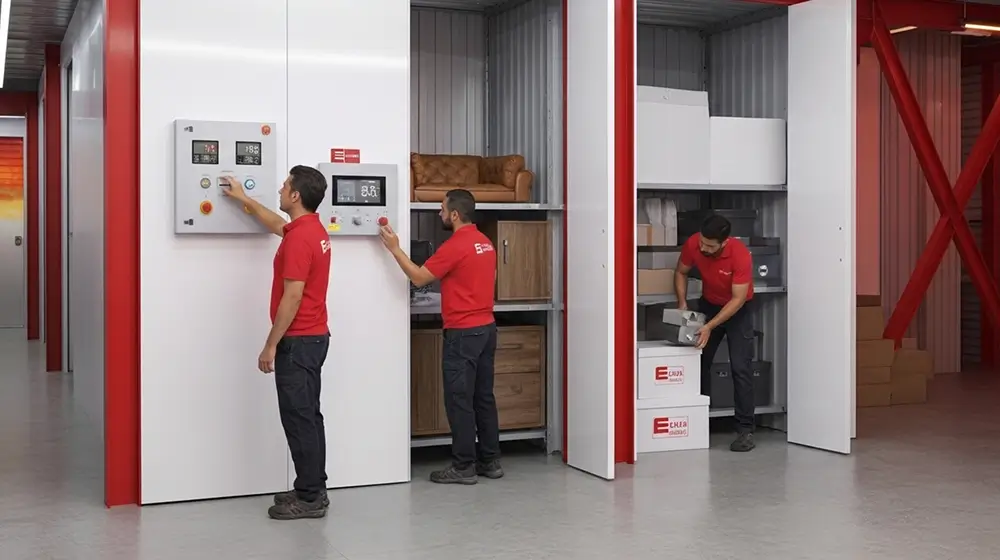
Climate-controlled storage matters when the contents include materials that are sensitive to heat, humidity, moisture swings, or long-term environmental stress.
The most sensitive apartment contents usually include:
- Wood furniture
- Leather seating
- Upholstered furniture
- Electronics and screens
- Artwork and framed pieces
- Books, files, and paper records
- Musical instruments
The U.S. Environmental Protection Agency recommends keeping indoor humidity below 60%, ideally between 30% and 50%, because excess moisture supports mold and material damage. The Canadian Conservation Institute also notes that furniture and wooden objects are vulnerable to humidity, water, pests, and improper storage and handling. The Library of Congress advises against keeping valuable items in attics, basements, or garages because poor temperature and humidity control increase damage risk.
For apartment residents storing furniture, electronics, documents, and delicate items for more than a short period, climate-controlled storage is the better fit.
How do you estimate box count quickly?
Estimate box count by room, then adjust for storage-heavy categories.
A fast apartment estimate works like this:
- Bedroom: 4 to 8 boxes
- Kitchen: 6 to 12 boxes
- Living area: 4 to 8 boxes
- Bathroom and utility: 2 to 4 boxes
- Desk, files, and electronics: 2 to 6 boxes
Then add more if the apartment contains books, children’s items, heavy kitchen equipment, hobby gear, or travel luggage. These categories distort box count faster than people expect.
Box count matters because units fill from small items as much as from furniture. A tidy room does not always mean a low-volume room.
How do you pack to make the unit fit better?
Pack to fit the unit by reducing dead space and keeping stacking stable.
Use these methods:
- Dismantle beds, tables, and shelving where possible
- Use uniform cartons for safer stacking
- Keep heavy boxes at the bottom and light boxes at the top
- Stand mattresses and rugs as recommended for the material
- Group fragile items together, not randomly
- Label every box by room and contents
- Place frequently needed items near the front
- Use vertical space instead of spreading items flat
Packing skill can change the final unit size by a meaningful margin. The same apartment contents can fit two different unit sizes depending on how they are packed.
What mistakes make a storage unit feel too small?
Five common mistakes make a unit feel too small even when the square footage is technically enough.
1. Leaving furniture assembled
Large tables, bed frames, and shelves waste volume when they are not dismantled.
2. Mixing box sizes badly
Weak or irregular stacking creates dead space.
3. Ignoring the box count
Boxes often overtake the estimate because they were not counted early.
4. Packing without zones
A unit becomes harder to use when furniture, fragile items, and daily-access boxes are all mixed together.
5. Choosing by apartment type only
Apartment labels are helpful, but they are not the final sizing method.
These mistakes explain why people often feel that a unit “looked big enough” but failed in practice.
How do you choose between 50 sq ft and 100+ sq ft?
Choose 50 sq ft when the storage covers a full 1-bedroom apartment or partial 2-bedroom contents, and choose 100+ sq ft when the storage covers multiple complete room sets.
If the storage includes one bed set, one sofa, one desk, appliances, and 20 to 25 boxes, 50 sq ft is often enough. If the storage includes two bed sets, living room furniture, dining furniture, appliances, and 40 or more boxes, 100+ sq ft is usually the safer choice.
The dividing line is simple: one-room-set logic points toward 50 sq ft, while multi-room-set logic points toward 100+ sq ft.
What is the best size-guide takeaway for Dubai apartment residents?
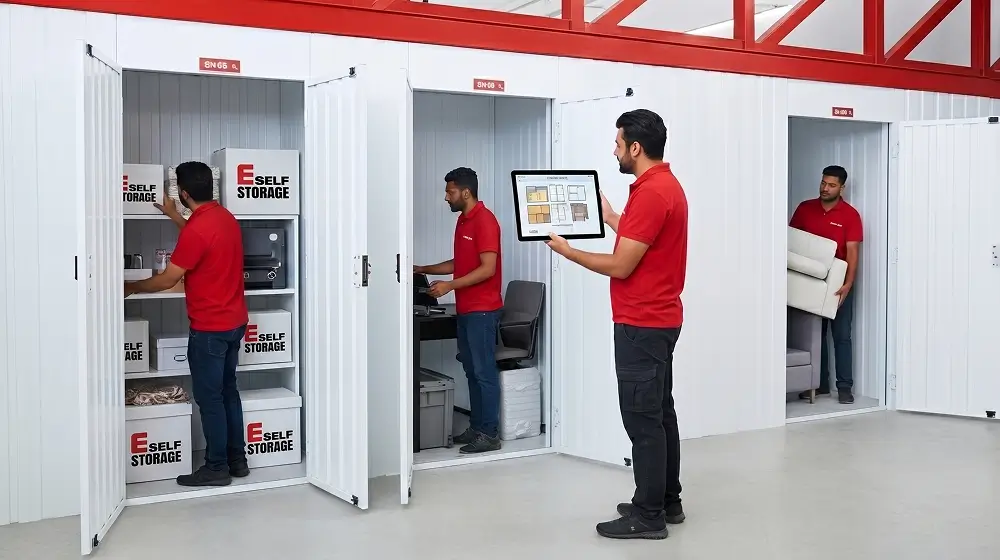
The best takeaway is to size the unit by storage scope and contents, not by apartment label alone.
A studio does not always need a tiny unit. A 1-bedroom apartment does not always fit into 25 sq ft. A 2-bedroom apartment does not always need the same 100+ sq ft range as a fully furnished family 3-bedroom apartment. The right estimate depends on how complete the storage is, how bulky the furniture is, and how efficiently the contents are packed.
If you want a flexible starting point for mixed household storage, self storage in Dubai gives the broadest fit for apartment moves, temporary travel, decluttering, and short- to medium-term residential storage. The important step is still the same: match the unit to the item list, not only the apartment description.
Final thoughts
A good apartment storage estimate protects both your budget and your belongings.
That is the real purpose of a size calculator. It should reduce guesswork, prevent overbooking, and stop under-sizing before the packing day starts. For most Dubai apartment residents, the most useful rule is simple:
- Choose 16 sq ft for compact overflow
- Choose 25 sq ft for partial studio or light 1-bedroom storage
- Choose 50 sq ft for full 1-bedroom or partial 2-bedroom storage
- Choose 100+ sq ft for full 2-bedroom and larger family apartment storage
Use the apartment type as your starting point. Use the contents as your final answer. That is the most accurate way to choose storage space without paying for the wrong unit.
Hayyan is a logistics veteran with over 15 years of experience in facility management and spatial optimization. He specializes in warehouse security, climate-controlled storage protocols, and the technical logistics of large-scale moving. His focus is on helping clients maximize their square footage while ensuring the long-term preservation of their inventory and belongings.
Thuraya is a specialist in home organization and residential transition management. With a background in interior space planning, she helps individuals navigate the complexities of downsizing and relocation. She provides expert advice on packing fragile items, choosing optimal storage unit sizes, and turning the stress of moving into a seamless, organized experience.
 Personal Storage
Expat Guide to Organizing Personal Belongings in Storage Dubai
Written by Hayyan Al-Jasmi | Reviewed by Thuraya Al-Mansoori | Published on September 10, 2025 | Updated on April 22, 2026 Moving to Dubai…
Read More Self Storage
What are the penalties for violating Dubai no-entry rules during commercial vehicle restricted timings?
Written by Hayyan Al-Jasmi | Reviewed by Thuraya Al-Mansoori | Published on September 10, 2025 | Updated on April 22, 2026 Penalties include cash…
Read More Self Storage
Heavy Vehicle No-Entry Timings By Emirate: Fujairah
Written by Hayyan Al-Jasmi | Reviewed by Thuraya Al-Mansoori | Published on September 10, 2025 | Updated on April 22, 2026 A self storage…
Read More