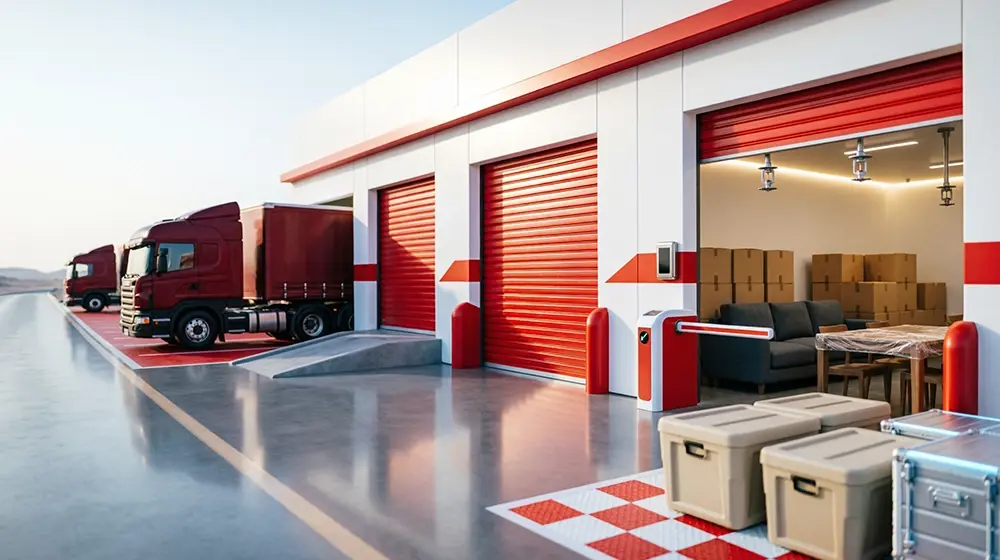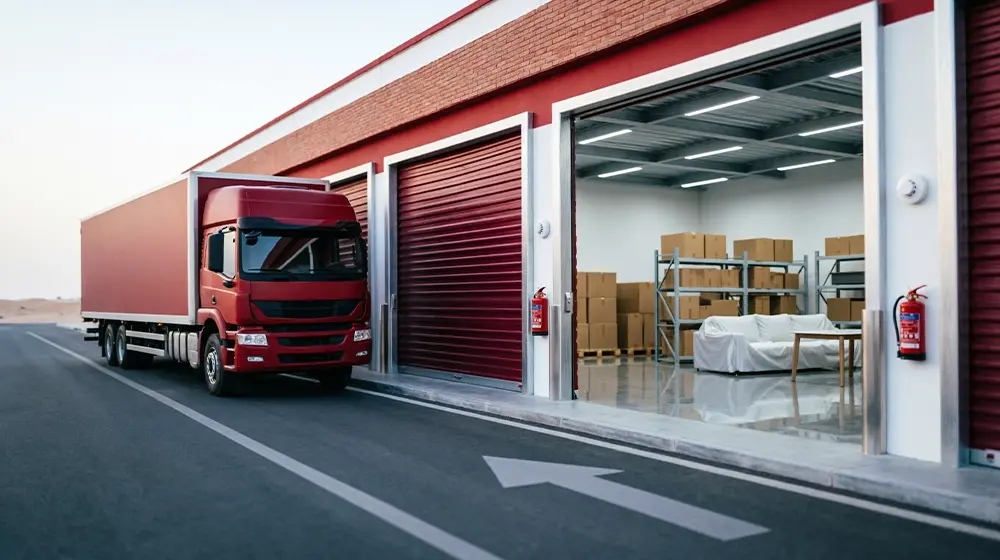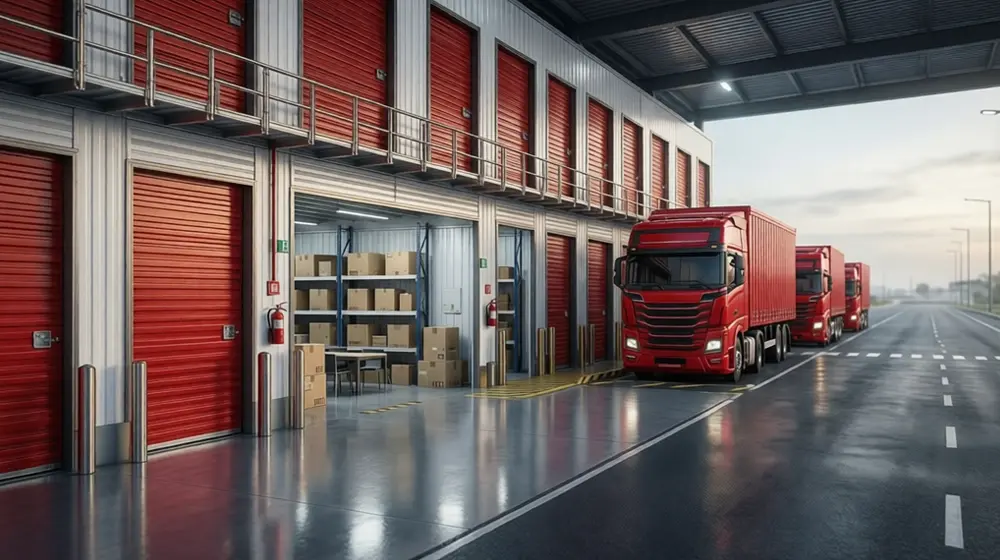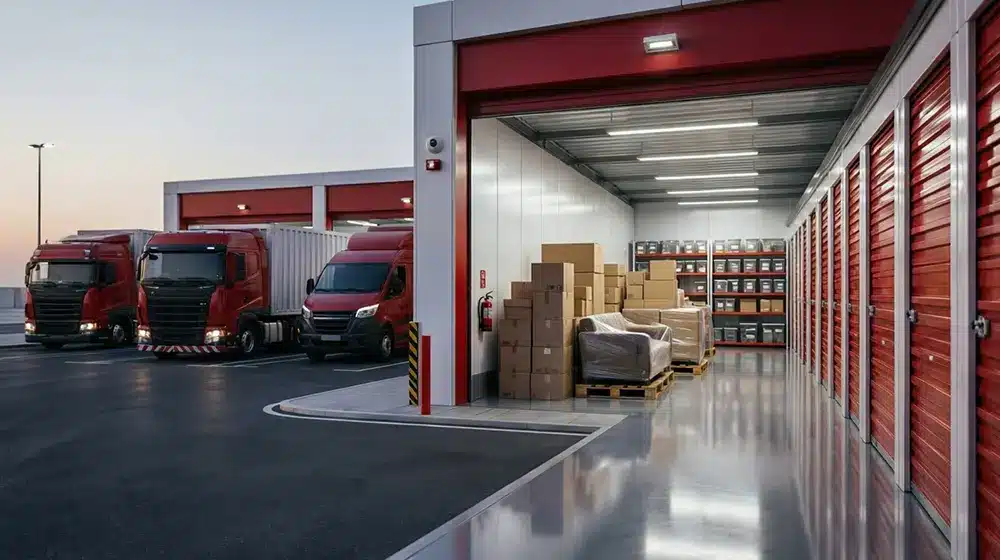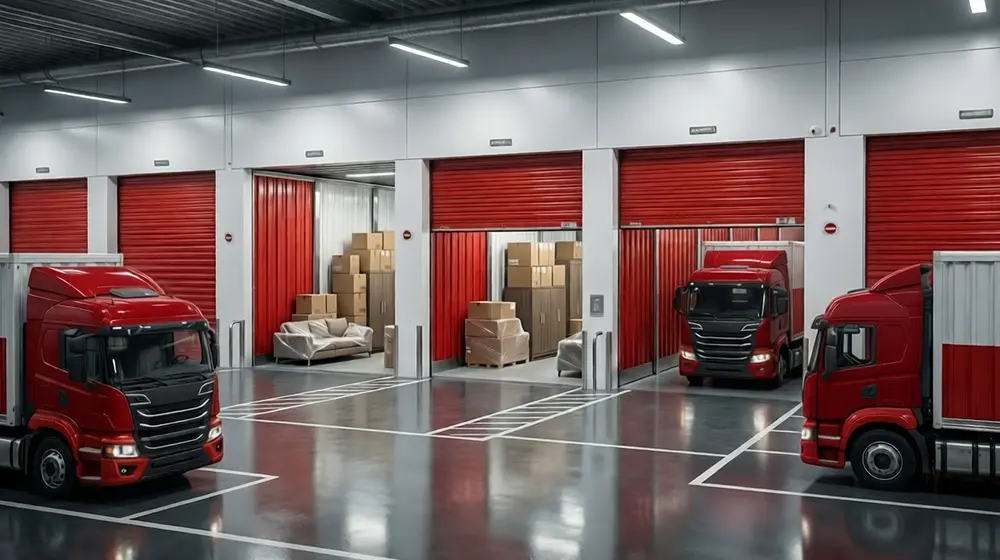
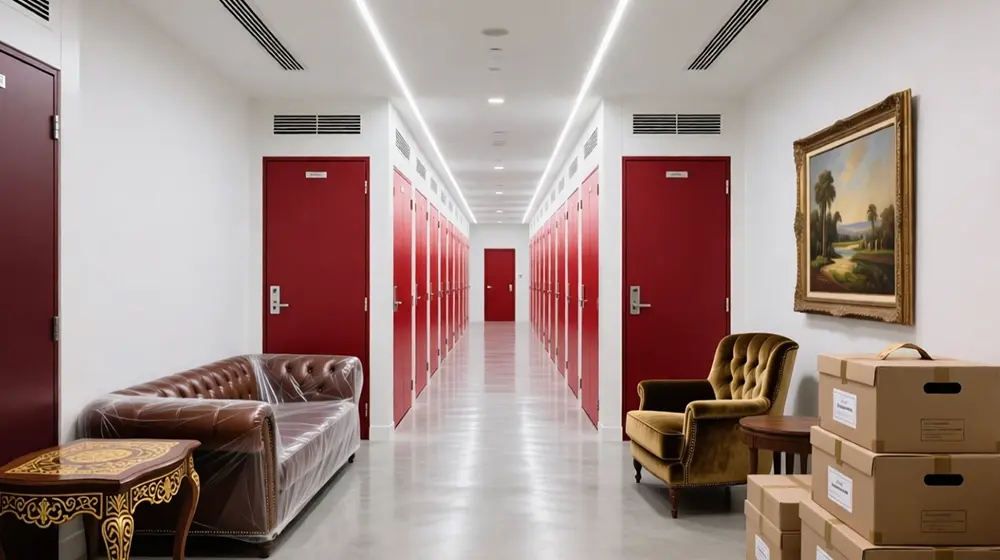
Luxury home seasonal storage in Emirates Hills (Dubai) protects furniture during summer by moving high-value items into climate-controlled, dust-controlled, secure storage so heat, humidity, and indoor dust don’t cause warping, odor, mold risk, or surface damage. Dubai summer heat routinely reaches extreme highs, which increases stress on wood finishes, adhesives, and leather surfaces.
What Damages Luxury Furniture in Dubai Summer When a Villa Is Closed or Partially Used?
Dubai summer damages luxury furniture through Humidity + Heat + Dust + Low Air Circulation inside a closed villa, which increases the probability of musty odor, mold growth conditions, finish haze, and material movement. Conservation guidance for mixed collections commonly treats ~45–55% relative humidity as a stable target range, because higher humidity increases mold risk while lower humidity increases brittleness and stress in hygroscopic materials like wood and leather.
How Does High Humidity Increase Mold and Odor Risk?
High humidity increases mold risk because mold growth becomes more likely as RH rises into the upper ranges used in conservation risk discussions (often cited around 65% and above as a practical upper threshold in collection environments).
Humidity-Driven Risks In Closed Villas
- Musty Odor Formation In Textiles: Curtains, Upholstery, And Cushions Hold Moisture And Smell.
- Mold-Favorable Conditions In Soft Goods: Rugs, Fabric Headboards, And Closet Linens Are High Risk.
- Surface Film On Gloss Finishes: Humidity Can Leave Haze And Sticky Feel On Lacquered Surfaces.
How Does Heat Stress Affect Solid Wood Furniture and Veneers?
Heat stress accelerates expansion–contraction cycles and can worsen joint stress, especially when humidity swings. Museum preventive conservation guidance commonly recommends 40–60% RH and stable temperatures for wooden objects to reduce movement and stress.
Why Is Climate-Controlled Storage the Best Option for Luxury Furniture Storage in Emirates Hills?
Climate-controlled storage is the best option because it stabilizes temperature and humidity, which is the single most effective way to reduce damage risk for wood, leather, textiles, paper-based items, and artwork. The Smithsonian’s Museum Conservation Institute notes its museums try to maintain collections around 45% RH (±8%) with controlled temperature, reflecting real-world preservation targets used for sensitive materials.
What Is the Difference Between Climate-Controlled and Standard Storage in Dubai?
Climate-controlled storage actively manages conditions; standard storage typically does not.
Climate-Controlled Storage Typically Provides
- Stable Relative Humidity Controls: Helps Keep Materials Within Safer RH Bands Used In Preservation Practice.
- Temperature Stability: Reduces thermal stress on finishes, glues, and composite materials.
- Lower Mold Risk Environment: Because RH is kept away from high-risk ranges (often discussed >65%).
What Items Should You Store for Seasonal Summer Storage in Emirates Hills?
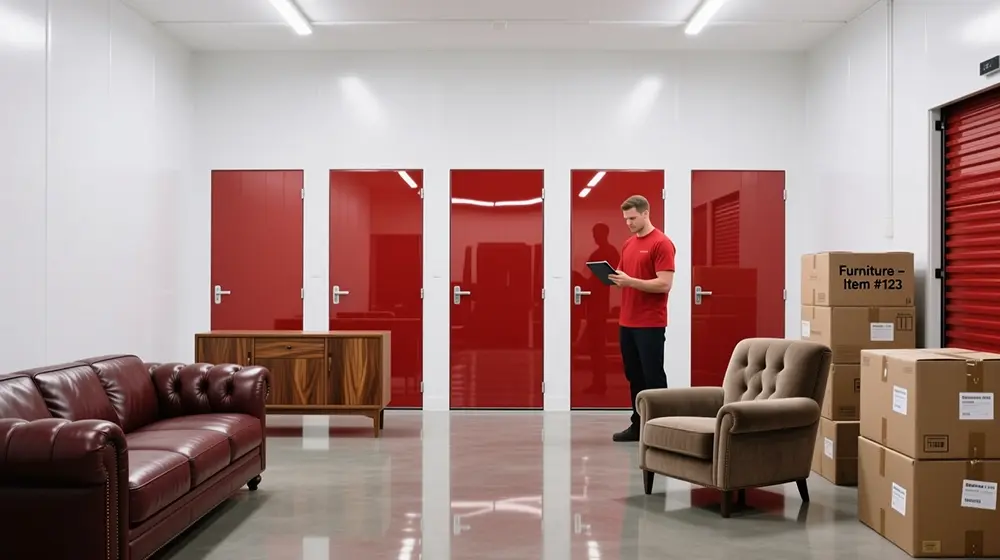
You should store items that are high-value, climate-sensitive, dust-sensitive, or difficult to clean without damage, including leather seating, solid wood pieces, rugs, curtains, artwork, and electronics.
Luxury Items That Benefit Most From Seasonal Storage
- Leather Sofas And Accent Chairs: Leather can dry/crack at low RH and mold at high RH, so stable storage conditions matter.
- Solid Wood Dining Sets And Casegoods: Wood is humidity-responsive; conservation guidance commonly emphasizes stability and RH control.
- Rugs, Curtains, And Upholstery: Textiles are vulnerable to soiling, pests, and humidity swings; museum practice favors protective enclosure and stable RH.
- Artwork, Mirrors, And High-Gloss Decor: Surface damage and corner impacts are common without proper packing.
- Electronics And Appliances: Dust infiltration and moisture exposure can increase failure risk over time.
When Is Door-to-Door Seasonal Storage Better Than Self Storage for Emirates Hills Homes?
Door-to-door seasonal storage is better when you need packing + pickup + transport + inventory + scheduled return without coordinating labor, vehicles, and repeated handling.
Door-to-Door Storage Fits Emirates Hills Owners Who Want
- Professional Packing And Wrapping
- Itemized Inventory For High-Value Contents
- Lower Handling Risk Through Fewer Moves
- Scheduled Re-Delivery After Summer Or Before Return To Dubai
How Do You Protect Furniture If You Leave an Emirates Hills Villa Empty During Summer?
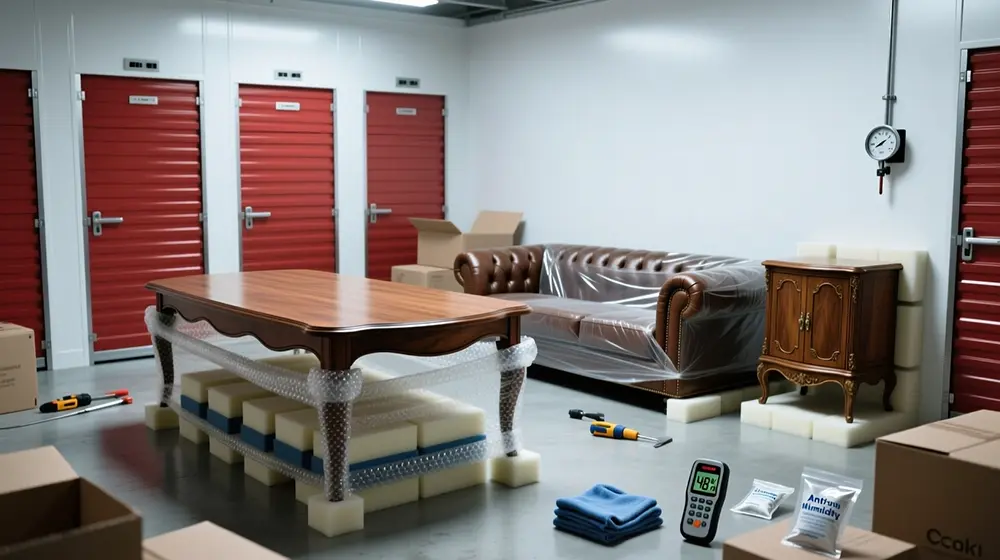
You protect furniture best by combining seasonal storage for sensitive items with a villa shutdown plan that reduces dust entry, moisture accumulation, and stagnant air problems.
What Is a Practical Summer Shutdown Checklist for Luxury Villas?
A summer shutdown checklist focuses on removing risk drivers: moisture, dust, and stagnant conditions.
Summer Shutdown Checklist
- Store Climate-Sensitive And High-Value Items Off-Site
- Remove And Seal Textiles You Keep On-Site
- Keep Interior Doors And Wardrobes Ventilated Or Properly Protected
- Address Moisture Sources Early: Fix Leaks And Ensure Proper Drain Lines
- Schedule Post-Summer Deep Cleaning Before Furniture Returns
How Do You Pack Luxury Furniture for Summer Storage Without Scratches or Moisture Damage?
You pack luxury furniture safely by using breathable protection layers, correct wrapping order, and stable stacking rules, because trapped moisture and abrasion are the main damage mechanisms in storage.
What Packing Materials Work Best for Luxury Furniture?
Recommended Packing Materials
- Moving Blankets For Wood And High-Gloss Surfaces
- Breathable Sofa And Chair Covers For Upholstery
- Corner Protectors For Marble Tops, Glass, Mirrors, And Frames
- Acid-Free Tissue/Materials For Delicate Textiles And Art (When Applicable)
- Strong Double-Wall Boxes For Fragile Decor And Accessories
The Smithsonian notes enclosure using appropriate materials can protect textiles from soiling and abrasion while also reducing the impact of temperature/RH fluctuations.
What Storage Placement Rules Prevent Damage?
Placement Rules That Reduce Damage Risk
- Place Heavy Items At The Bottom: Prevents Crushing And Frame Twist.
- Keep Upholstery Elevated Off Floors: Adds Protection During Cleaning And Reduces Moisture Risk.
- Leave Small Air Gaps: Reduces trapped moisture pockets and odor buildup.
- Avoid Tight Plastic Sealing On Leather: Leather storage guidance commonly warns that dampness and high humidity encourage mold; stable RH matters.
Why Should Renovation-Adjacent Dust Control Matter for Seasonal Storage Planning?
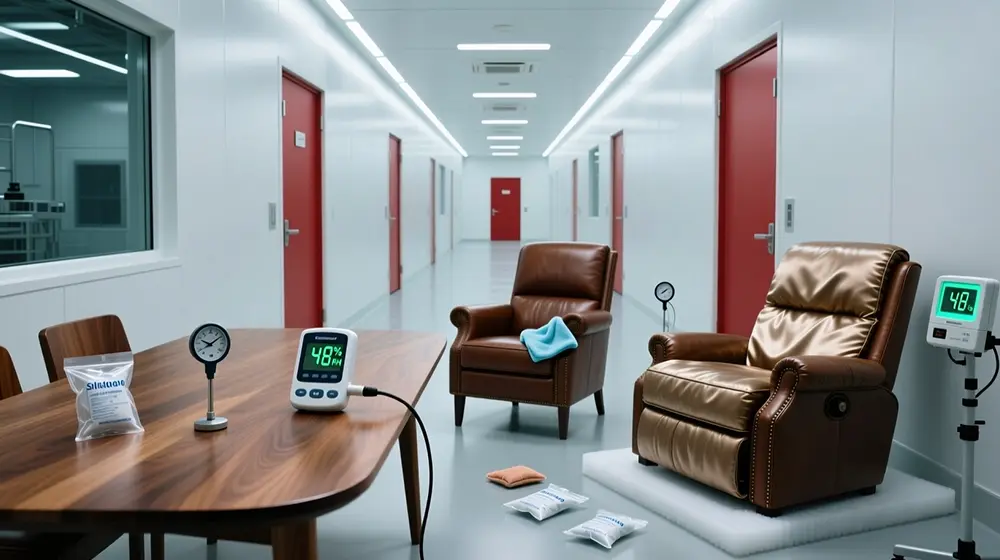
Dust control matters because fine dust spreads easily and becomes harder to remove from textiles, electronics, and finishes, especially in high-end interiors. The U.S. EPA recommends isolation and ventilation practices during remodeling to reduce dust and pollutants spreading through a home, showing why clearing and storing valuables away from dust sources is a practical protection strategy.
NIOSH also documents that drywall sanding can create high dust concentrations (including silica in some cases), reinforcing why “leave it in the villa” is a risky strategy for luxury contents during dusty work periods.
How Much Does Luxury Seasonal Storage Cost in Dubai and What Affects the Price?
Luxury seasonal storage cost in Dubai depends on Volume (m³), Duration (weeks/months), Climate Control, Packing Level, Pickup & Delivery, and Insurance/Declared Value handling.
Main Pricing Drivers
- Storage Volume: More Furniture + More Boxes = Larger Unit Or Higher Cubic Meter Plan.
- Climate Control Level: Controlled RH/Temperature commands a premium because it reduces damage risk.
- Packing Standard: Full wrapping, crating for glass/art, and inventory systems increase service level.
- Access Frequency: Frequent retrieval can change unit type and logistics.
What Is the Safest Seasonal Storage Plan for Emirates Hills Summer?
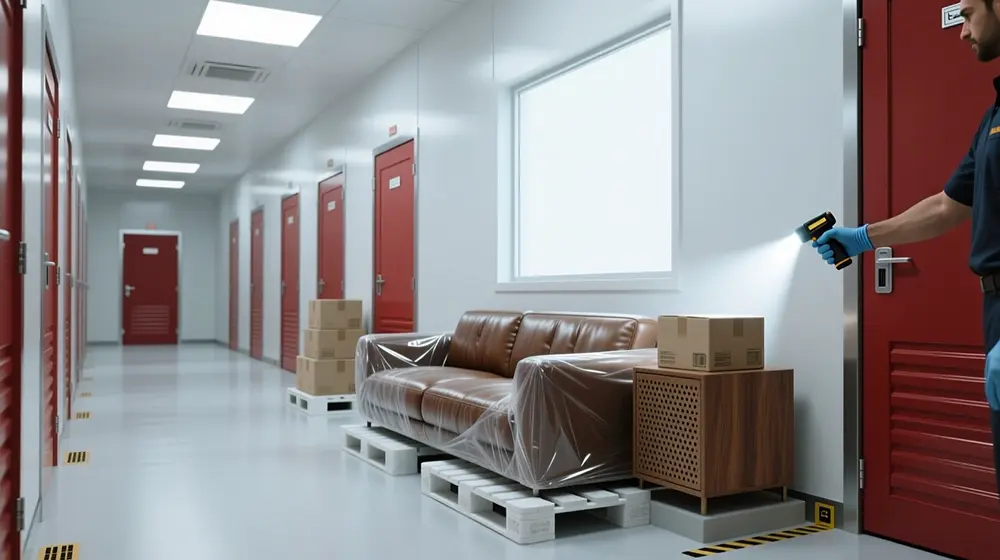
The safest seasonal storage plan is Climate-Controlled + Professional Packing + Door-to-Door Logistics + Inventory Control, because this combination targets the biggest risk factors: humidity swings, heat stress, dust contamination, and handling damage. Preservation-oriented guidance commonly emphasizes stable RH bands (often around 45–55% for mixed materials, with broader tolerances depending on item type) and avoiding high humidity ranges that raise mold risk.
Quick Decision Guide
- If You Store Leather, Wood, Rugs, Or Art: Choose Climate-Controlled Storage.
- If You Want Minimal Handling Risk: Choose Door-To-Door Packing + Pickup + Return.
- If You Need Occasional Access: Choose Self Storage With Clear Access Rules.
Conclusion
- Identify High-Risk Items: Leather, Solid Wood, Rugs, Curtains, Art, Electronics.
- Select Climate-Controlled Storage For Sensitive Materials: Target stability over “cheap space.”
- Use Breathable Protection Layers: Avoid trapping moisture against leather and fabrics.
- Inventory Everything With Photos + Labels: Protects high-value asset tracking and return setup.
- Return In Phases After Cleaning: Reduce dust recontamination and speed up re-setup.
Frequently Asked Questions
What is luxury home seasonal storage in Emirates Hills?
Why is summer storage recommended for Emirates Hills villas?
Do I need climate-controlled storage in Dubai for luxury furniture?
What humidity range is safer for wood and mixed luxury interiors in storage?
At what humidity level does mold risk rise in storage?
Which items should I store off-site during Emirates Hills summer?
Is door-to-door seasonal storage better than self storage for luxury homes?
How do I pack luxury furniture for summer storage without moisture and scratches?
What storage placement rules prevent damage to luxury items?
What is a practical summer shutdown checklist for Emirates Hills villas?
Hayyan is a logistics veteran with over 15 years of experience in facility management and spatial optimization. He specializes in warehouse security, climate-controlled storage protocols, and the technical logistics of large-scale moving. His focus is on helping clients maximize their square footage while ensuring the long-term preservation of their inventory and belongings.
Thuraya is a specialist in home organization and residential transition management. With a background in interior space planning, she helps individuals navigate the complexities of downsizing and relocation. She provides expert advice on packing fragile items, choosing optimal storage unit sizes, and turning the stress of moving into a seamless, organized experience.