As the e‑commerce market in the Middle East accelerates, Dubai has emerged as a strategic hub for online retailers looking to streamline their supply chains. One of the most critical decisions for any growing brand is where and how to store inventory. For businesses targeting customers across the UAE and the wider GCC, e‑commerce inventory warehousing near Dubai’s industrial zones offers a decisive competitive advantage.
Why Dubai’s Industrial Zones Matter for E‑Commerce
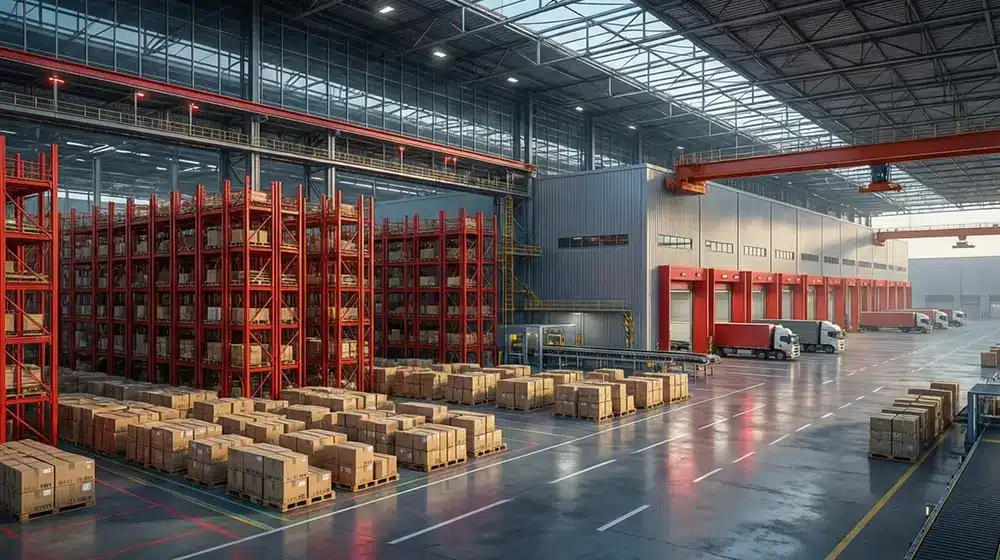
Dubai’s industrial and free zones were designed to support trade, logistics, and manufacturing. For e‑commerce, this means a ready-made ecosystem with world-class infrastructure, robust connectivity, and business-friendly regulations.
Key Advantages of Storage Near Dubai’s Industrial Zones
Choosing to store your e‑commerce inventory near Dubai’s industrial areas is not just about having a physical space. It’s about optimising your entire logistics chain.
1. Faster Delivery Times
In modern e‑commerce, speed is a deal-breaker, with customers expecting same-day or next-day delivery, especially in major cities like Dubai, Abu Dhabi, and Sharjah. Warehousing near major industrial zones enables shorter transit times from the port or airport to the warehouse, faster order processing and dispatch, and quicker last-mile delivery to customers across the UAE. By positioning inventory near key logistics hubs and dense population centres, brands can more easily offer premium delivery options and maintain high service levels without significantly increasing costs.
2. Lower Shipping and Handling Costs
Transport is often the most significant cost component in e‑commerce logistics, which is why positioning your inventory near Dubai’s industrial and logistics clusters can have such a substantial impact on your bottom line. By reducing the distance between inbound freight and your warehouse, you minimise internal transfer costs between hubs and can consolidate shipments more efficiently. This consolidation also strengthens your bargaining power with carriers, allowing you to negotiate better rates. Over time, these efficiencies and savings can significantly improve your margins.
3. Access to Integrated Logistics Services
A mature logistics ecosystem surrounds Dubai’s industrial zones, with freight forwarders, customs brokers, trucking and last-mile delivery companies, and packaging and value-added service providers all operating in proximity. By basing your warehouse near these zones, you gain one-stop access to these critical services, making it easier to scale during peak seasons, manage returns efficiently, and expand into new markets without adding unnecessary complexity to your operations.
4. Better Scalability for Growing Brands
As your brand grows, your storage and fulfilment needs will inevitably evolve, and Dubai’s industrial clusters are designed to support that growth. They offer flexible warehouse sizes and configurations, with options for both shared and dedicated facilities, so you can choose the setup that best fits your current stage. It’s also easy to expand within the same zone or nearby areas, allowing you to scale up without disrupting operations. This level of flexibility is especially valuable for fast-growing e‑commerce companies that are rapidly increasing SKU counts, entering new product categories, or experiencing firm seasonal peaks.
5. Strategic Reach Across the GCC and Beyond
The city serves as a key gateway to surrounding markets, with warehousing near major industrial zones, positioning your goods at the crossroads of major trade routes. This central location makes regional fulfilment and cross-border e‑commerce more efficient, helping you quickly and cost-effectively reach a wide range of neighbouring regions without maintaining multiple storage points.
What to Look for in an E‑Commerce Warehouse Near Dubai’s Industrial Areas
Not all warehouses are created equal. When choosing a storage solution near Dubai’s industrial zones, consider the following criteria.
1. Location and Connectivity
Your ideal warehouse should be:
- Close to major highways
- Reasonably near key ports or airports
- Accessible for last-mile partners and courier networks
This connectivity ensures smooth inbound, outbound, and return flows.
2. E‑Commerce-Focused Operations
A warehouse that truly understands e‑commerce will offer:
- Real-time inventory management systems
- Efficient picking, packing, and dispatch processes
- Ability to handle single-item and multi-item orders
- Experience with popular marketplaces and platforms
Ask whether the warehouse integrates with your online store or order management system to enable automatic inventory and order synchronisation.
3. Technology and Visibility
Visibility is essential for controlling stock and avoiding overselling. Look for:
- A modern Warehouse Management System (WMS)
- Live inventory dashboards
- Automated notifications for low stock
- Barcode or RFID-based tracking
These tools allow you to make data-driven decisions on purchasing, promotions, and stock allocation.
4. Storage Conditions and Compliance
Depending on what you sell, you may need:
- Ambient, chilled, or temperature-controlled storage
- Secure storage for high-value items (electronics, luxury goods)
- Proper shelving, racking, and material-handling equipment
- Compliance with health, safety, and local regulatory standards
Always confirm that the facility can safely and legally handle your specific product types.
5. Value-Added Services
To create a great customer experience, many e‑commerce brands rely on value-added services such as:
- Custom or branded packaging
- Gift wrapping or inserts
- Kitting and bundling (e.g., sets, subscription boxes)
- Light assembly or quality checks
Choosing a warehouse partner that offers these services near Dubai’s industrial zones can simplify your operations and help you differentiate your brand.
6. Flexible Pricing and Contract Terms
For growing or seasonal businesses, flexibility is vital. Consider whether the provider offers:
- Pay-as-you-go or volume-based pricing
- Shorter-term contracts or scalable agreements
- Transparent cost breakdown for storage, handling, and shipping
This flexibility helps you align your warehousing costs with actual sales performance.
Everyday E‑Commerce Use Cases for Warehousing Near Dubai’s Industrial Zones
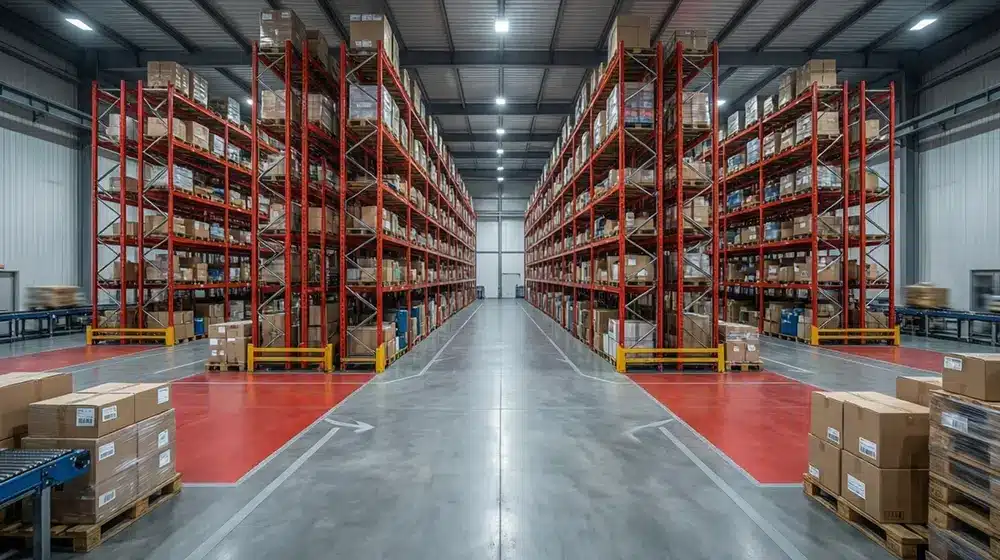
To understand the practical benefits, it helps to look at how different e‑commerce businesses use warehousing in these areas.
1. Cross-Border Sellers Entering the GCC
Overseas brands that want to serve customers in this region often import bulk shipments via major ports or airports, store products in warehouses near key industrial zones, and then ship orders on demand to neighbouring markets. This centralised fulfilment model significantly shortens delivery times from weeks to days and simplifies returns, as products are already located near major logistics hubs and transportation networks.
2. Local Brands Scaling Beyond Dubai
Local brands use centralised warehouses near major industrial areas to fulfil orders nationwide from a single hub, offer same-day delivery in core urban centres and next-day delivery in other regions, and maintain consistent stock levels across multiple sales channels.
3. Omni-Channel Retailers
Traditional retailers with physical stores often convert warehouses near industrial zones into omni-channel fulfilment centres that handle store replenishment, click-and-collect orders, and home delivery from a central location. This integrated approach ensures that inventory is utilised efficiently across both online and offline channels, improving product availability, reducing stock imbalances, and streamlining overall operations.
How to Choose the Right Warehouse Partner Near Dubai’s Industrial Zones
Finding the right partner is as important as choosing the correct location. Here’s a simple framework:
1. Cross-Border Sellers Entering the GCC
Define your needs clearly by considering your typical order volume (daily and monthly), the types of products you sell (including their size, fragility, and any temperature-control requirements), and the delivery times and service levels your customers expect.
2. Shortlist providers based on location
Focus on those near your primary inbound route (sea vs. air) and main customer base.
3. Evaluate technology and integrations
Confirm that the provider can integrate with your e‑commerce platform, marketplaces, and shipping solutions.
4. Compare service offerings
Look for value-added services that matter to your brand, such as gift wrapping, quality control, and returns handling.
5. Assess pricing transparency
Ensure there are no hidden fees and that storage and handling costs are clearly explained.
6. Check reliability and reputation
Ask for references, case studies, or reviews—especially from other e‑commerce clients.
Risk Management & Peak Season Planning
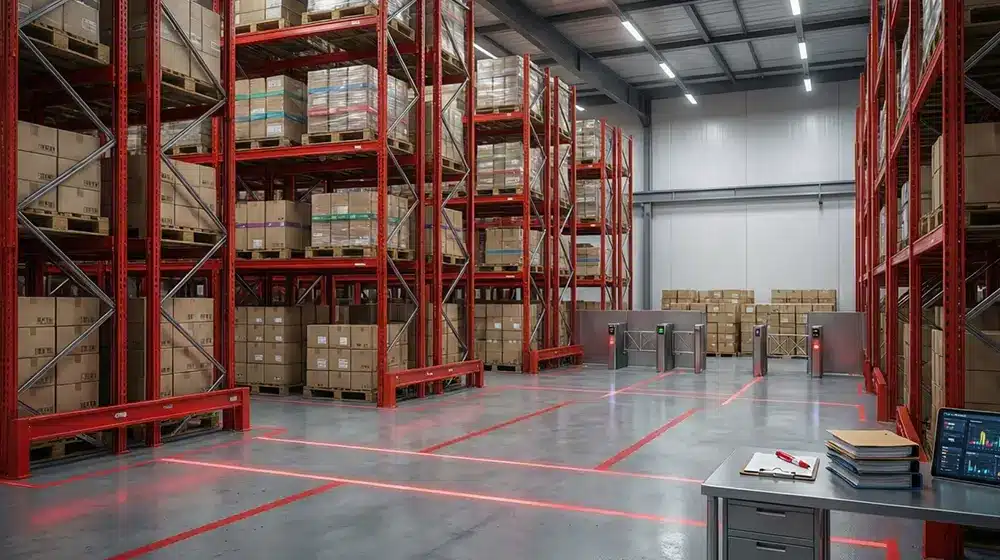
A strong warehousing strategy near Dubai’s industrial zones should also address risk management and peak season readiness. Working with providers that have multiple carrier options within the same zone helps you avoid over‑reliance on a single courier and reduces the impact of service disruptions. Access to extra staging areas or short term storage space becomes critical during high‑demand periods such as Ramadan, Eid, Singles’ Day, or Black Friday, allowing you to temporarily expand capacity without relocating operations.
Final Thoughts: Turning Location into a Competitive Advantage
E‑commerce is no longer just about having the right products; it’s about delivering them quickly, reliably, and cost‑effectively. By choosing inventory warehousing near Dubai’s industrial zones, online retailers can shorten delivery times across the UAE and GCC, reduce logistics costs and operational complexity, tap into a mature logistics and value‑added services ecosystem, and scale their operations smoothly as demand increases. For brands ready to expand in the Middle East, the right warehousing strategy in Dubai can be the difference between slow, expensive fulfilment and a fast, competitive, customer‑focused operation.
Hayyan is a logistics veteran with over 15 years of experience in facility management and spatial optimization. He specializes in warehouse security, climate-controlled storage protocols, and the technical logistics of large-scale moving. His focus is on helping clients maximize their square footage while ensuring the long-term preservation of their inventory and belongings.
Thuraya is a specialist in home organization and residential transition management. With a background in interior space planning, she helps individuals navigate the complexities of downsizing and relocation. She provides expert advice on packing fragile items, choosing optimal storage unit sizes, and turning the stress of moving into a seamless, organized experience.