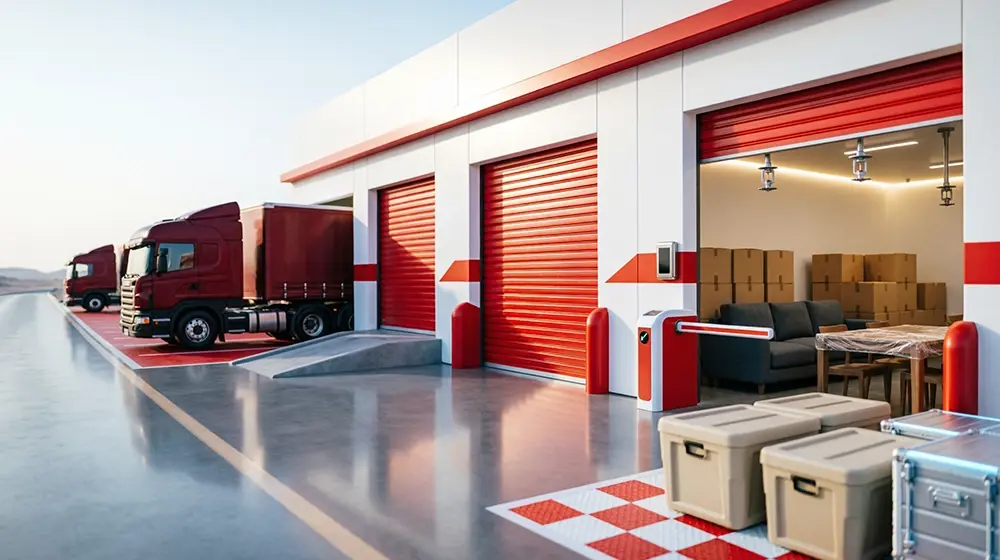
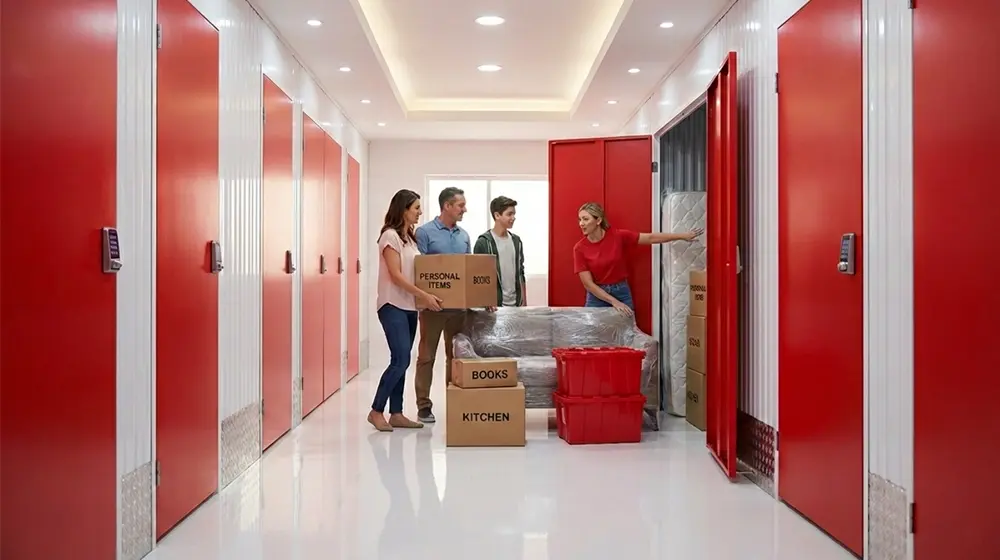
Self storage in Sharjah creates secure extra space for furniture, boxes, luggage, documents, and seasonal household items. The topic matters because Sharjah is the UAE’s third-largest emirate and had a population of 1.8 million in 2022, which increases pressure on usable residential space. A UCLA-linked study also found that people who described their homes as more cluttered showed more stressful mood and cortisol patterns, which connects storage pressure with daily living conditions.
Why is self storage in Sharjah growing?
Self storage in Sharjah is growing because living space stays fixed while storage demand changes. Moving, renovation, travel, seasonal use, children’s items, spare furniture, and archive boxes all compete for the same floor area. According to the UAE Government, Sharjah is a large and growing emirate by population. That makes external storage a practical response to a simple constraint: homes do not expand when item volume expands.
Who uses personal storage in Sharjah?
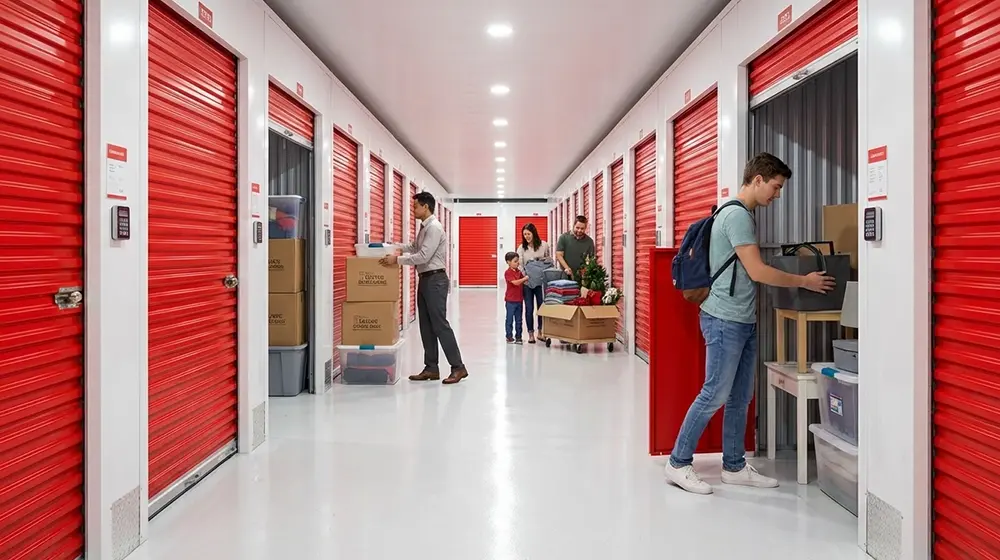
Personal storage in Sharjah serves four main groups: families, apartment residents, students, and people in transition. Families store spare furniture, baby items, decorations, and luggage. Apartment residents store occasional-use goods that reduce daily room function. Students and professionals store boxes and luggage during travel or accommodation changes. Movers and renovators store room contents to clear access and reduce damage during work.
What items usually go into storage units in Sharjah?
Storage units in Sharjah usually hold six item groups: furniture, boxes, luggage, documents, seasonal items, and household overflow. Common examples include beds, sofas, wardrobes, dining chairs, curtains, winter clothing, toys, books, files, and suitcases. The practical logic is simple. Items with low daily use but medium or high volume consume the most valuable home space. External storage removes those items from active rooms without forcing disposal.
Why does furniture storage in Sharjah need extra protection?
Furniture storage in Sharjah needs extra protection because heat, humidity, dust, and rapid environmental shifts damage wood, fabric, adhesive joints, veneers, and metal fittings. Winterthur Museum states that stable relative humidity matters because furniture components expand and contract at different rates, which leads to detached veneers, cracks, and flaking finishes. The U.S. National Park Service also states that high relative humidity increases fungal activity, insect risk, corrosion, and glue failure in wooden furniture.
Why does climate-controlled storage matter in Sharjah?
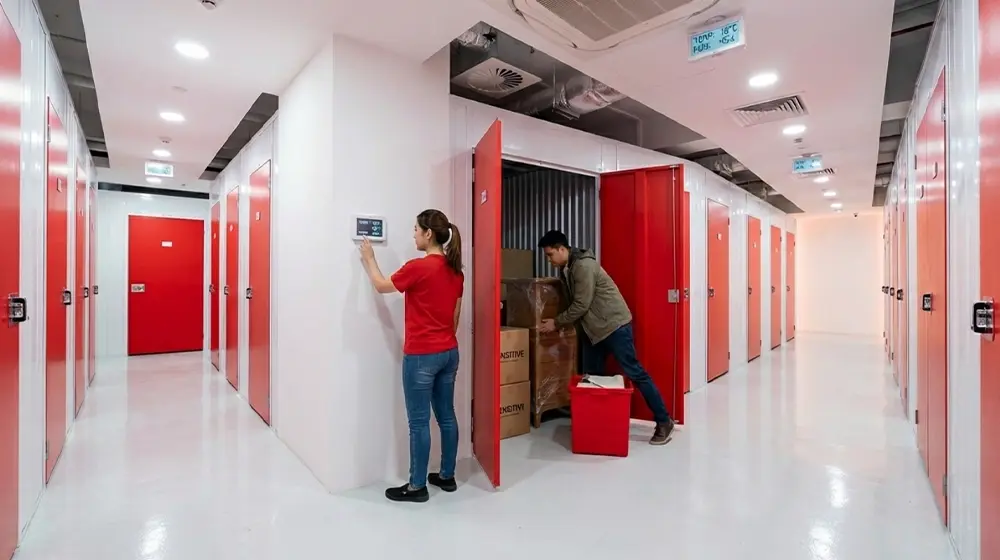
Climate-controlled storage matters in Sharjah because paper, photographs, fabric, leather, wood, and electronics deteriorate faster in hot and humid environments. UAE climate data tracks relative humidity at Sharjah stations, and the National Center of Meteorology regularly reports humid night and early-morning conditions in northern areas. For stored items, humidity stability matters as much as temperature. The Library of Congress recommends a cool, relatively dry environment for books, paper, and photographs, and notes that stable humidity reduces mold risk and slows deterioration.
Which household items benefit most from climate control?
Five categories benefit most from climate control: documents, photographs, wooden furniture, upholstered furniture, and electronics. The Library of Congress recommends 30% to 55% relative humidity for many paper and book-storage cases and notes that cooler, drier conditions extend material life. Winterthur and the National Park Service place wooden furniture around 45% to 55% relative humidity, with risk rising when humidity climbs above that range or fluctuates sharply. That is why climate control is not a luxury feature for sensitive items. It is a preservation feature.
What does a secure storage facility in Sharjah include?
A secure storage facility in Sharjah includes controlled access, CCTV coverage, locked units, clean interiors, and stable environmental conditions. Security has two dimensions. The first dimension is access security, which reduces theft and unauthorized entry. The second dimension is environmental security, which reduces preventable damage from moisture, pests, dust, light, and handling error. The strongest storage model protects both the item and the storage environment.
How do you choose the right storage unit size?
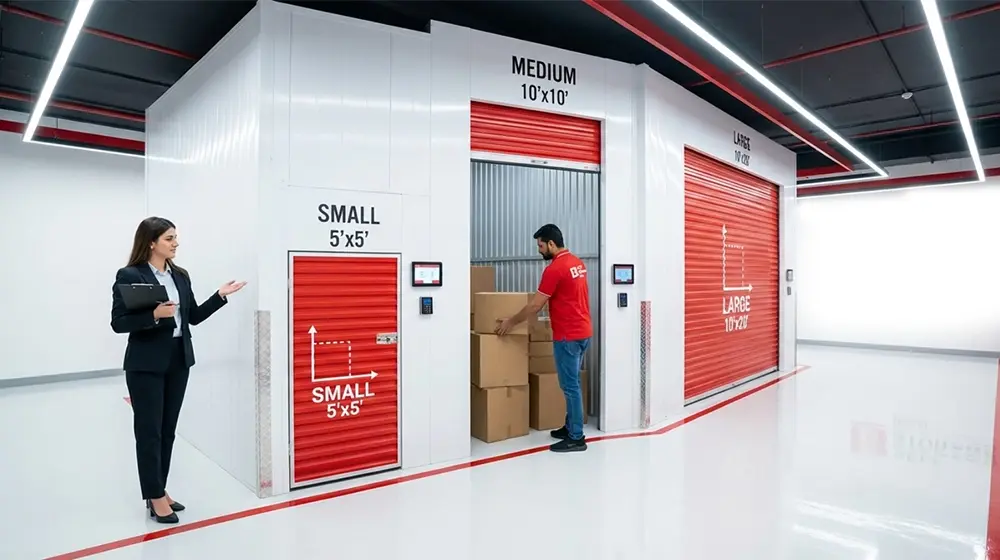
The right storage unit size matches item volume, not only item count. A small unit suits documents, cartons, clothing, and luggage. A medium unit suits apartment overflow, seasonal furniture, and stacked household boxes. A large unit suits room contents such as beds, sofas, tables, and wardrobes. The cost logic is direct. Oversized units increase unused paid space. Undersized units increase compression, stacking risk, and retrieval difficulty.
Before selecting a unit, classify items by volume and access frequency:
- Count large furniture pieces first.
- Count stackable cartons second.
- Separate frequent-access items from long-stay items.
- Choose climate control for sensitive materials.
- Leave retrieval space inside the unit.
That sequence protects both space efficiency and item condition.
Which use cases make self storage in Sharjah practical?
Self storage in Sharjah is practical in six common situations: moving, renovation, decluttering, seasonal storage, student transitions, and travel gaps. During moving, storage prevents rushed unpacking and reduces corridor congestion. During renovation, storage clears work areas and protects furniture from dust and impact. During seasonal rotation, storage moves low-use items out of active rooms. During travel or semester breaks, storage keeps luggage and personal items outside temporary accommodation. The use case changes, but the core function stays the same: external space replaces internal crowding.
Which items should stay out of storage units?
Storage units should not hold perishables, flammable goods, gas cylinders, hazardous chemicals, wet items, or illegal goods. The reason is operational, not cosmetic. These items increase pest risk, odor spread, fire load, contamination, and legal exposure inside shared storage environments. Wet items also increase mold risk. The Library of Congress and preservation guidance consistently place moisture control at the center of safe storage practice because mold regrowth and material damage rise when humidity and moisture stay uncontrolled.
How do you organize a storage unit for faster access and lower damage risk?
An organized storage unit uses five rules: label, group, stack, protect, and access. Label every carton by contents and room. Group related items together. Stack heavier cartons at the base. Protect fragile and surface-sensitive items with proper wrapping. Keep frequent-use items near the front. The Library of Congress also recommends supportive enclosures for paper-based materials and protection from dust, light, and unstable environments.
Use this layout method inside the unit:
- Place documents and photographs in sealed, dry containers.
- Place wooden and upholstered furniture off the floor where possible.
- Place heavy boxes at the bottom of each stack.
- Place fragile items away from pressure points.
- Place frequent-access cartons near the front edge.
The first word of each list item stays consistent to keep the instruction set clear and easy to scan.
What does the storage table below show?
The table below shows which personal storage categories create the strongest need for protection, access planning, and climate control in Sharjah. It keeps the macro context narrow: personal and household self storage.
| Storage category | Common examples | Main risk in poor storage | Best storage condition |
|---|---|---|---|
| Documents | files, certificates, books | humidity, mold, yellowing | cool, dry, stable |
| Furniture | beds, sofas, wardrobes | cracking, swelling, veneer damage | stable temperature and RH |
| Upholstery | mattresses, fabric chairs, curtains | dust, odor, humidity retention | clean, dry, protected |
| Personal items | clothes, shoes, toys, luggage | compression, dust, misplacement | labeled, stackable, accessible |
| Seasonal items | décor, outdoor cushions, travel gear | clutter, moisture, low retrieval efficiency | grouped by season |
| Photos and keepsakes | albums, framed prints | humidity fluctuation, light, handling | enclosed, cool, low humidity |
The preservation pattern is consistent across sources: stable conditions reduce material damage, while uncontrolled heat and humidity increase it.
How do you judge cheap storage in Sharjah correctly?
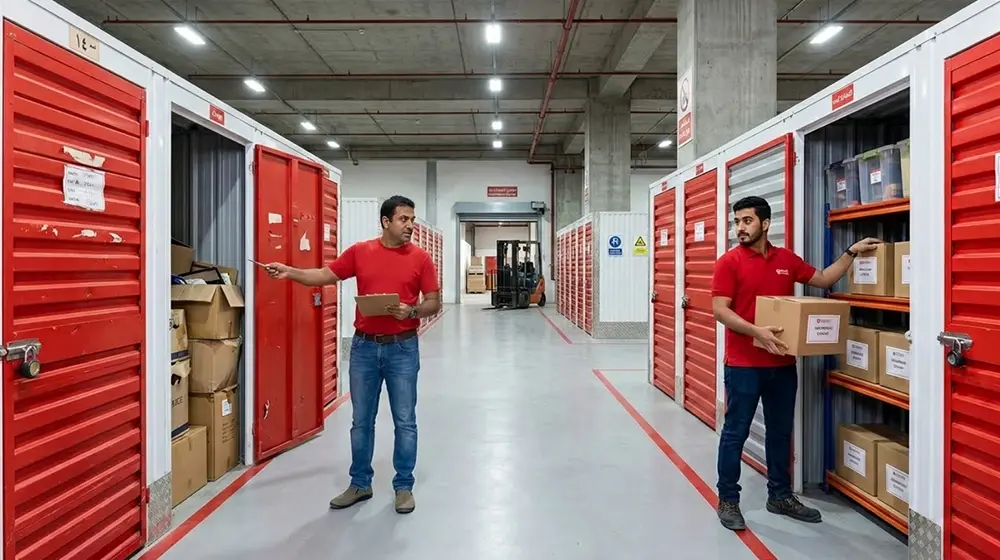
Cheap storage in Sharjah is useful only when low price still includes security, cleanliness, and appropriate storage conditions. A lower monthly rate loses value when it increases damage probability, pest exposure, moisture exposure, or retrieval problems. The correct comparison is not “lowest price.” The correct comparison is “lowest cost at acceptable protection.” That distinction matters more for furniture, paper records, photos, and long-stay household items.
What is the main benefit of self storage in Sharjah?
The main benefit of self storage in Sharjah is usable space without relocation or disposal. It turns low-use, high-volume items into managed inventory instead of daily clutter. Research on stressful home conditions supports the value of reducing excess possessions in active living areas, while preservation guidance supports the value of stable environments for stored materials. For residents managing furniture overflow, seasonal rotation, renovation, or travel-related storage, self storage solves a single problem with one clear mechanism: it moves inactive items out of active rooms and protects them under better conditions.
Frequently Asked Questions
Self storage in Sharjah is used for furniture, documents, luggage, household overflow, and seasonal items. It serves short-term and long-term personal storage needs.
Personal storage is a use case inside self storage. Personal storage focuses on individual and household items rather than business inventory.
Furniture storage needs climate control because wood, glue, veneers, and upholstery react to humidity and temperature shifts. Cracks, swelling, and finish failure increase when conditions fluctuate.
Documents, photographs, wooden furniture, upholstered items, and electronics are the most sensitive stored categories. These materials deteriorate faster in unstable heat and humidity.
Organize a storage unit by labeling cartons, grouping similar items, stacking by weight, protecting fragile items, and keeping frequent-use goods near the front.
Hayyan is a logistics veteran with over 15 years of experience in facility management and spatial optimization. He specializes in warehouse security, climate-controlled storage protocols, and the technical logistics of large-scale moving. His focus is on helping clients maximize their square footage while ensuring the long-term preservation of their inventory and belongings.
Thuraya is a specialist in home organization and residential transition management. With a background in interior space planning, she helps individuals navigate the complexities of downsizing and relocation. She provides expert advice on packing fragile items, choosing optimal storage unit sizes, and turning the stress of moving into a seamless, organized experience.