Expat Guide to Organizing Personal Belongings in Storage Dubai
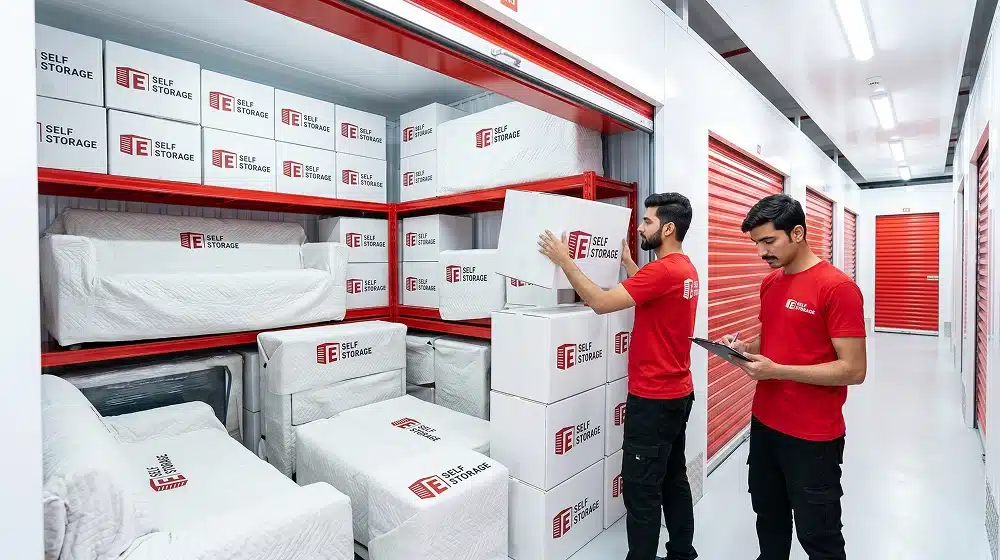
Moving to Dubai often creates a temporary gap between relocation and permanent settlement. Many expatriates use personal storage in Dubai to protect furniture, documents, electronics, seasonal items, and household goods during that transition. Organizing belongings before storage reduces retrieval time, prevents damage, and improves storage space utilization.
According to demographic data published by the UAE Government Portal, expatriates account for a significant proportion of the UAE population, making relocation and temporary storage common requirements for residents moving between accommodations.
Why Do Expats Use Storage in Dubai?
Expats use storage in Dubai to protect personal belongings during relocation, housing transitions, business assignments, travel periods, and home renovations.
Dubai hosts one of the world’s largest expatriate populations. International assignments, delayed housing handovers, and apartment upgrades frequently create temporary storage requirements. According to the International Association of Movers (IAM), international relocations commonly involve transitional periods where household goods arrive before permanent accommodation becomes available.
The most common reasons include:
- International relocation
- Temporary accommodation
- Home renovation projects
- Seasonal travel
- Family relocation delays
- Business assignments
- Property downsizing
What Personal Belongings Do Expats Store Most Often?
Furniture, electronics, documents, clothing, sports equipment, and household goods represent the most commonly stored belongings among expatriates.
Many residents use personal goods storage in Dubai when moving between residences or during overseas assignments.
| Category | Common Items | Storage Priority |
|---|---|---|
| Furniture | Beds, sofas, dining tables | High |
| Electronics | TVs, computers, gaming systems | High |
| Documents | Passports, certificates, contracts | Very High |
| Clothing | Seasonal garments, formal wear | Medium |
| Sports Equipment | Golf clubs, bicycles, camping gear | Medium |
| Household Goods | Kitchen appliances, décor items | High |
How Should Expats Organize Belongings Before Storage?
Create an inventory, categorize belongings, label containers, and separate frequently used items before moving possessions into storage.
According to the National Association of Productivity and Organizing Professionals (NAPO), inventory management improves retrieval efficiency and reduces misplaced items during long-term storage.
Create a Detailed Inventory
A detailed inventory creates visibility over stored belongings and reduces item loss.
Record:
- Item description
- Quantity
- Condition
- Estimated value
- Box number
Categorize Items by Usage Frequency
Usage frequency determines storage placement.
Place frequently accessed items near the entrance and long-term belongings toward the rear. This organization method reduces unnecessary handling and retrieval time.
Label Every Storage Box
Clear labels improve retrieval speed and reduce search time.
Each label should include:
- Room name
- Item category
- Box number
- Fragile status
Separate Fragile Items
Fragile belongings require additional protection through dedicated packaging and placement.
Examples include:
- Glassware
- Artwork
- Mirrors
- Ceramic items
What Storage Unit Size Suits Different Expat Households?
Storage unit size depends on household size, inventory volume, and storage duration.
Many expatriates compare available self storage in Dubai options before selecting a unit that matches their inventory requirements.
| Household Type | Typical Storage Requirement |
|---|---|
| Studio Apartment | Small Unit |
| One Bedroom Apartment | Medium Unit |
| Two Bedroom Apartment | Medium to Large Unit |
| Three Bedroom Villa | Large Unit |
| Villa Contents | Extra Large Unit |
How Should Furniture Be Prepared for Long-Term Storage?
Clean, disassemble, wrap, and elevate furniture before placing it into storage.
Furniture remains one of the highest-value categories stored by expatriates. Many households utilize specialized furniture storage Dubai services for sofas, dining tables, office desks, wardrobes, and bedroom sets.
Follow four preparation steps:
- Clean surfaces thoroughly.
- Remove detachable components.
- Wrap with protective covers.
- Elevate furniture from direct floor contact.
How Should Electronics Be Protected in Storage?
Electronics require moisture protection, dust protection, and temperature management.
Protect electronics by:
- Removing batteries
- Backing up data
- Wrapping cables separately
- Using original packaging
- Applying anti-static protection
Examples include televisions, gaming consoles, desktop computers, laptops, and audio equipment.
How Does Climate-Controlled Storage Protect Belongings?
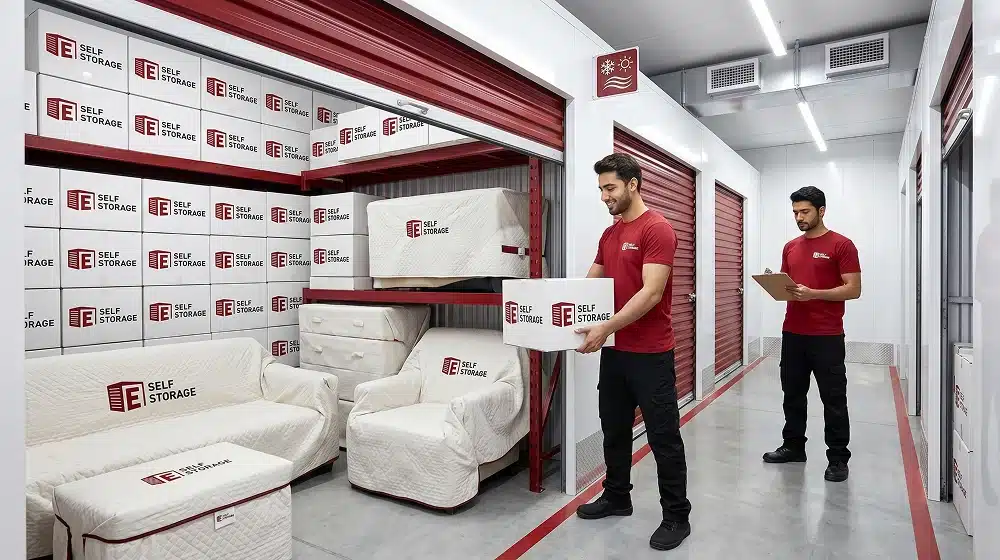
Climate-controlled storage maintains stable temperature and humidity conditions that protect sensitive materials.
According to the World Bank Climate Knowledge Portal, Dubai experiences prolonged periods of high temperatures that can affect sensitive materials during extended storage periods.
Items benefiting most include:
- Wooden furniture
- Electronics
- Musical instruments
- Artwork
- Legal documents
- Family photographs
What Security Features Matter for Expat Storage?
24-hour surveillance, controlled access systems, alarm monitoring, and professional facility management represent the most important storage security features.
Security measures commonly include:
- CCTV surveillance
- Electronic access control
- Security personnel
- Alarm systems
- Unit locks
- Visitor monitoring
What Mistakes Increase Storage Costs?
Poor organization, oversized units, excess inventory, and improper packing increase storage expenses.
The five most common mistakes include:
- Storing unwanted items.
- Choosing oversized units.
- Ignoring inventory management.
- Using poor-quality packaging.
- Blocking access routes.
How Much Does Storage Cost in Dubai?
Storage costs vary based on unit size, location, security features, climate control, and rental duration.
Individuals researching storage budgets often compare self storage cost in Dubai before selecting a facility.
Key pricing factors include:
- Unit dimensions
- Rental period
- Climate control
- Security systems
- Accessibility
How Do Expats Store Boxes and Luggage Efficiently?
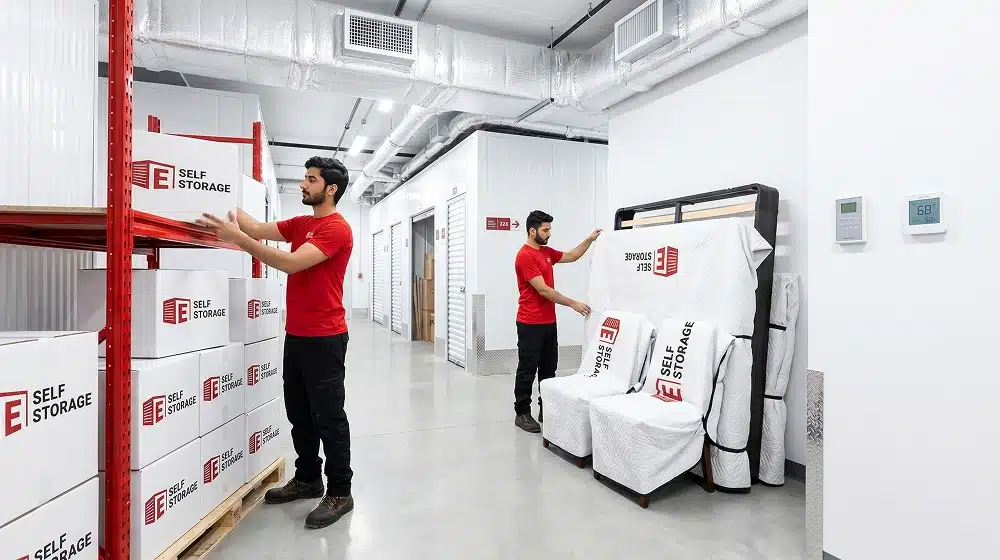
Stack boxes vertically, label every container, and separate luggage by travel frequency.
Many frequent travelers utilize box storage in Dubai solutions for documents, clothing, electronics, and travel accessories.
Best practices include:
- Use uniform box sizes.
- Place heavier boxes at the bottom.
- Store luggage upright.
- Maintain an access aisle.
- Create category-based sections.
Why Do Expats Use Storage During Relocation?
Storage bridges the gap between moving out of one property and moving into another property.
Relocation specialists frequently recommend self storage during a move to simplify property transitions, reduce clutter, and protect belongings during transportation schedules.
Conclusion
Organized storage improves protection, accessibility, and cost efficiency for expatriates living in Dubai. Creating an inventory, categorizing belongings, protecting furniture, securing electronics, and selecting the correct storage unit size reduces relocation challenges. Personal storage facilities provide flexibility during housing transitions while maintaining access to valuable household possessions.
Frequently Asked Questions
Personal storage provides secure space for furniture, electronics, documents, and household goods during relocation and housing transitions.
Important documents can be stored inside waterproof and fire-resistant containers.
According to the National Fire Protection Association (NFPA), critical records benefit from fire-resistant storage solutions and digital backups.
Electronics, artwork, photographs, wooden furniture, musical instruments, and legal documents benefit most from climate-controlled storage.
Belongings can remain in storage for short-term or long-term periods depending on facility policies and rental agreements.
A medium-sized storage unit typically accommodates the contents of a one-bedroom apartment, including furniture, appliances, and personal belongings.
Hayyan is a logistics veteran with over 15 years of experience in facility management and spatial optimization. He specializes in warehouse security, climate-controlled storage protocols, and the technical logistics of large-scale moving. His focus is on helping clients maximize their square footage while ensuring the long-term preservation of their inventory and belongings.
Thuraya is a specialist in home organization and residential transition management. With a background in interior space planning, she helps individuals navigate the complexities of downsizing and relocation. She provides expert advice on packing fragile items, choosing optimal storage unit sizes, and turning the stress of moving into a seamless, organized experience.
 Personal Storage
What Makes Self Storage in Sharjah Useful for Personal and Household Space Needs?
Written by Hayyan Al-Jasmi | Reviewed by Thuraya Al-Mansoori | Published on June 12, 2026 Self storage in Sharjah creates secure extra space for…
Read More Personal Storage
Transform Your Space with Personal Storage in Ajman: The Smart Way to Stay Organized
Written by Hayyan Al-Jasmi | Reviewed by Thuraya Al-Mansoori | Published on June 12, 2026 Personal storage in Ajman creates extra usable home space…
Read More Self Storage
What are the penalties for violating Dubai no-entry rules during commercial vehicle restricted timings?
Written by Hayyan Al-Jasmi | Reviewed by Thuraya Al-Mansoori | Published on June 12, 2026 Penalties include cash fines, black points, and operational loss…
Read More