
Self Storage in Dubai: Environmental and Economic Benefits for Residents and Businesses
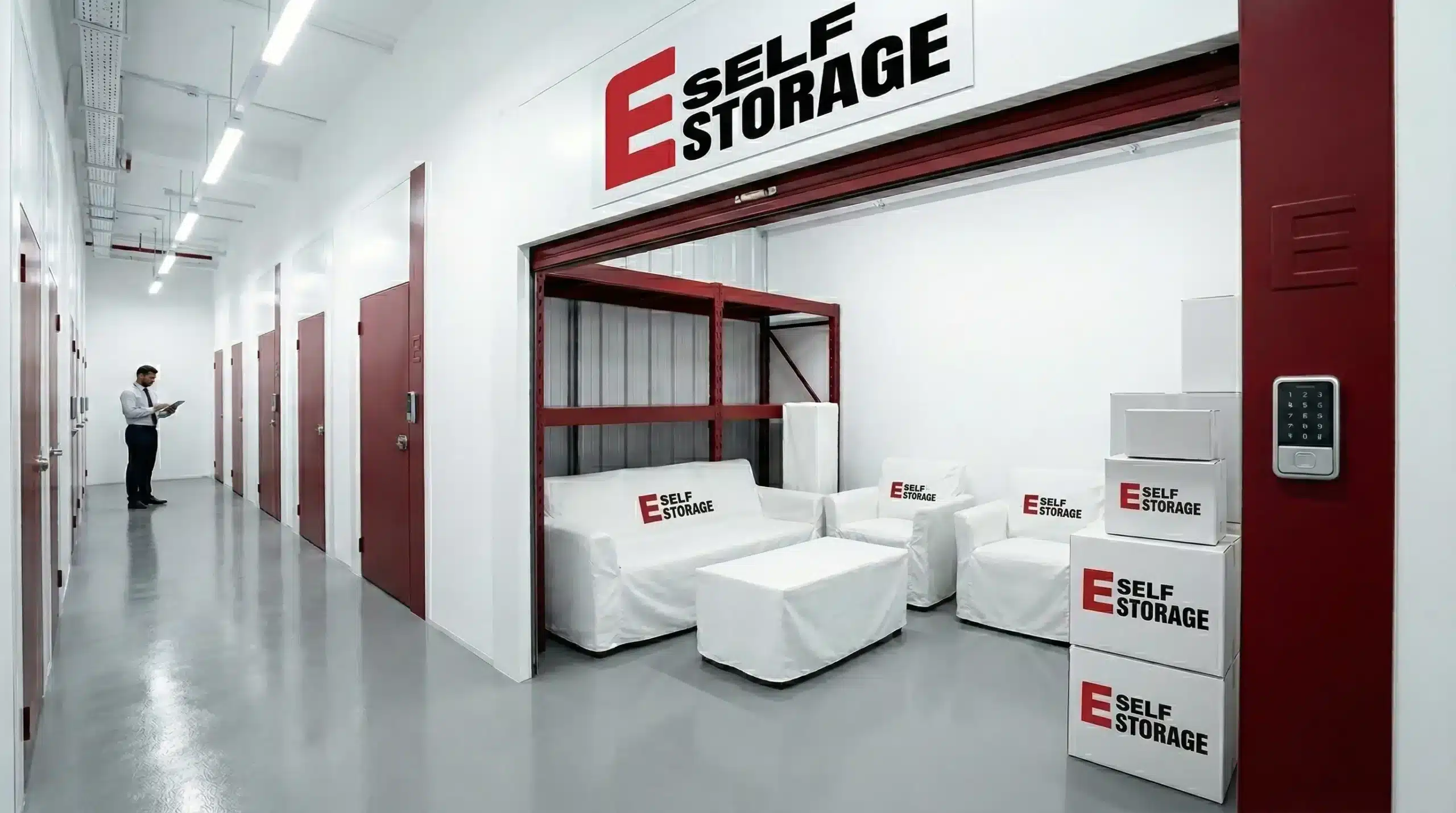
Self storage in Dubai is a short-term and long-term rental service where individuals, expatriates, and businesses rent secured, climate-controlled units to store household goods, furniture, documents, and seasonal items. Dubai’s self storage sector comprises over 30 active facilities across districts including Al Quoz, Dubai Investment Park, and Jebel Ali, with unit sizes ranging from 25 to 300 square feet. According to a 2023 UAE self storage market analysis by Mordor Intelligence, the market is valued at USD 217 million and is projected to grow at a compound annual rate of 6.8% through 2028, driven by population density, high expatriate turnover, and limited residential storage space.
Self storage in Dubai delivers 6 measurable benefits across two categories: 3 environmental and 3 economic. These benefits apply to residents managing space constraints, expatriates managing relocations, and businesses managing inventory without committing to warehouse leases. Residents and businesses can explore self storage options in Dubai with flexible short-term and long-term unit sizes to match their specific requirements.
What Are the Environmental Benefits of Self Storage in Dubai?
Self storage in Dubai produces 3 direct environmental benefits: it reduces household waste, optimises the use of urban residential space, and supports lower energy consumption per stored item compared to standalone warehousing.
Does Self Storage Reduce Waste in Dubai?
Self storage reduces household waste in Dubai by enabling residents to retain seasonal items, furniture, and electronics instead of discarding them. According to the Dubai Statistics Center, Dubai generated approximately 5.37 million tonnes of solid waste in 2022, a significant portion of which originates from household disposal of reusable goods during relocations and home downsizing. Climate-controlled storage units preserve item quality across categories including leather furniture, electronics, and clothing, extending product lifespan by 3 to 5 years compared to uncontrolled storage environments.
How Does Self Storage Optimise Urban Space in Dubai?
Self storage optimises urban space in Dubai by allowing residents to occupy smaller apartments without losing access to their possessions. The average one-bedroom apartment in Dubai ranges from 600 to 900 square feet, with storage space comprising less than 5% of total floor area, according to Property Finder’s 2023 Dubai Residential Report. Residents who use external storage units retain functional living areas without relocating to larger, higher-cost properties, reducing demand for new construction and the associated environmental cost of materials.
Individuals managing apartment transitions or downsizing between tenancies benefit from personal storage in Dubai, which provides month-to-month access to secured units without a long-term lease commitment.
Are Self Storage Facilities in Dubai Adopting Eco-Friendly Practices?
Self storage facilities in Dubai adopt eco-friendly practices including LED lighting systems, solar-assisted climate control, and recycled packing material programmes. Several operators within Al Quoz Industrial Area and Dubai Investment Park have implemented ISO 14001-certified environmental management systems, reducing per-unit energy consumption by 18 to 22% compared to conventional warehouse storage, according to ESMA guidelines for commercial facility operations. Units with dedicated temperature and humidity regulation, such as those covered under climate-controlled storage, maintain conditions between 18°C and 24°C, significantly lowering per-item energy use compared to full-building air conditioning in residential apartments.
What Are the Economic Benefits of Self Storage in Dubai?
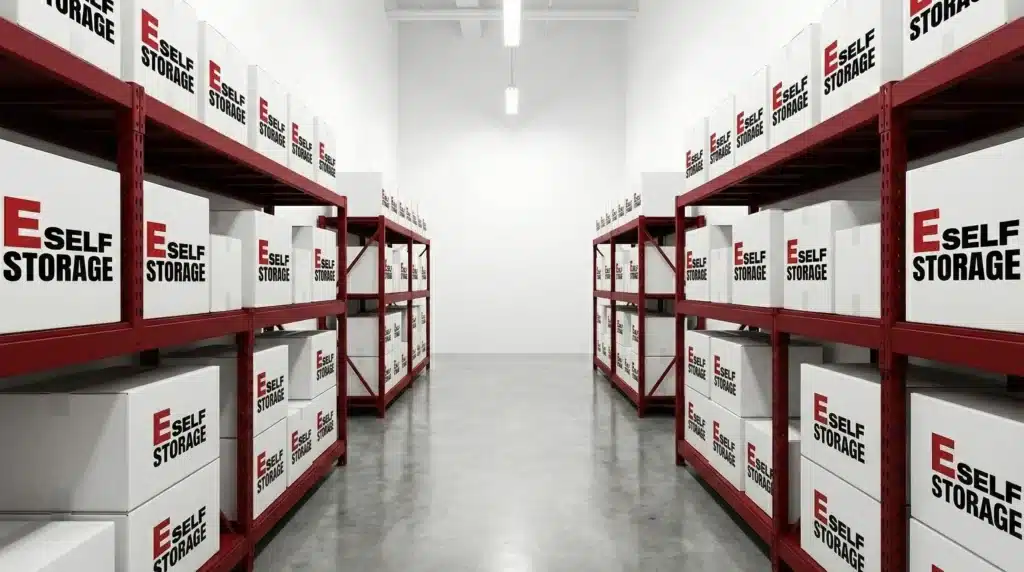
Self storage in Dubai delivers 3 measurable economic benefits: it reduces residential rental costs for individuals, provides warehouse-free inventory solutions for businesses, and supports circular economy behaviour by extending product life cycles.
How Does Self Storage Reduce Costs for Families in Dubai?
Self storage reduces residential costs for families in Dubai by eliminating the need to rent larger apartments to accommodate excess belongings. A standard 50-square-foot storage unit in Dubai rents for AED 250 to AED 500 per month, compared to the AED 8,000 to AED 15,000 per month cost difference between a one-bedroom and two-bedroom apartment in central districts such as Dubai Marina and Downtown Dubai, according to Bayut’s 2024 Dubai Rental Market Report. Families storing seasonal furniture, sports equipment, and children’s items in external units save between AED 90,000 and AED 180,000 annually by retaining smaller apartments.
Families relocating between districts or completing villa handovers use furniture storage services in Dubai to protect sofas, dining sets, wardrobes, and antiques in climate-controlled environments during transition periods, avoiding damage costs associated with rushed moves.
How Do Businesses in Dubai Use Self Storage to Reduce Operating Costs?
Businesses in Dubai use self storage to reduce operating costs by replacing fixed warehouse leases with flexible monthly storage contracts. A 200-square-foot commercial storage unit in Dubai costs AED 1,200 to AED 2,500 per month, compared to AED 12,000 to AED 25,000 per month for equivalent warehouse space in Jebel Ali Free Zone, according to the CBRE UAE Industrial Market Report 2023. E-commerce businesses, retail brands managing seasonal inventory, and law firms storing archived documents are the 3 primary commercial user segments. Contracts in most Dubai facilities carry no minimum lease term, allowing businesses to scale storage capacity monthly based on demand cycles.
Businesses seeking dedicated commercial storage compare unit specifications through warehouse and storage solutions in Dubai, which provides larger unit options from 100 to 300 square feet suitable for inventory, equipment, and document archiving.
How Does Self Storage Support a Circular Economy in Dubai?
Self storage supports a circular economy in Dubai by preserving the usable lifespan of goods rather than diverting them to landfill. Dubai’s Vision 2040 Urban Master Plan targets a 75% waste diversion rate from landfills by 2030. Stored items that remain in serviceable condition re-enter secondary markets through resale platforms such as Dubizzle and Facebook Marketplace. According to a 2022 report by the Global Self Storage Alliance, each occupied storage unit retains an estimated USD 3,000 to USD 8,000 worth of goods that would otherwise be replaced, reinforcing circular consumption patterns.
Who Uses Self Storage in Dubai?
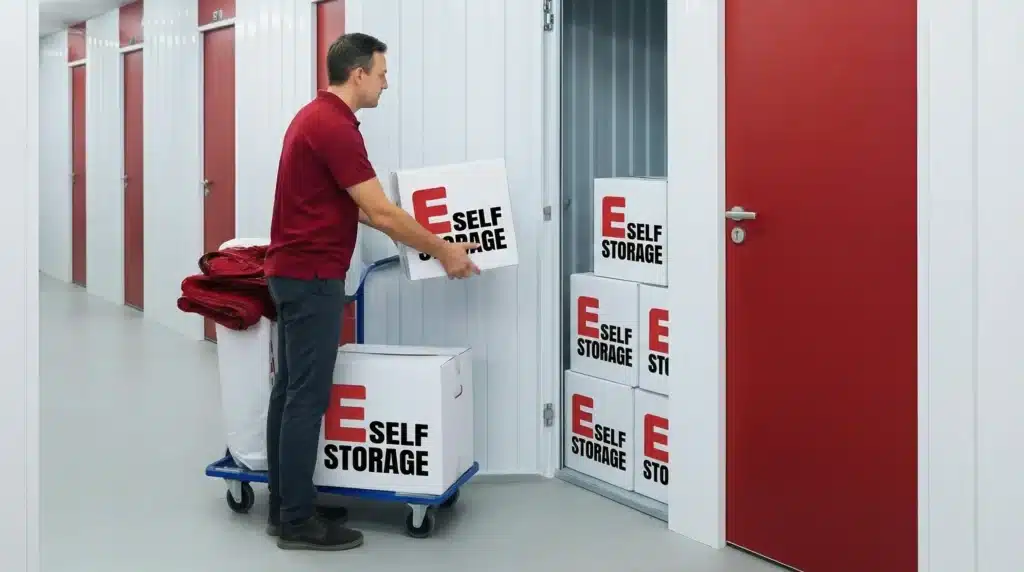
Self storage in Dubai serves 3 primary user groups: expatriates managing international relocations, families optimising residential space, and businesses managing seasonal or overflow inventory.
- Expatriates: Dubai’s expatriate population represents 88.5% of total residents, according to the Dubai Statistics Center 2023. Expatriates use self storage during home country visits, between tenancy contracts, and during international job transitions lasting 1 to 12 months.
- Families: Families store seasonal items such as summer and winter clothing, outdoor furniture, sports equipment, and children’s toys in units ranging from 25 to 75 square feet on rolling monthly contracts. Personal goods storage in Dubai provides families with flexible, individually secured units that accommodate mixed item categories without a fixed lease.
- Businesses: Small and medium enterprises, e-commerce sellers, and professional service firms store inventory, archived files, and excess office equipment in units ranging from 100 to 300 square feet. Business storage facilities provide 24-hour access, CCTV monitoring, and month-to-month contracts that align with variable inventory cycles.
Frequently Asked Questions
Self storage in Dubai costs AED 200 to AED 2,500 per month, depending on unit size, location, and climate control requirements. Small units of 25 square feet start at AED 200 per month. Medium units of 100 square feet range from AED 700 to AED 1,200 per month. Large units of 200 to 300 square feet range from AED 1,500 to AED 2,500 per month. Facilities in Al Quoz and Dubai Investment Park carry lower rates than those in Business Bay or Dubai Marina.
Dubai storage units accept furniture, electronics, clothing, documents, sports equipment, and business inventory. Climate-controlled units maintain temperatures between 18°C and 24°C and humidity below 55%, preserving leather goods, wooden furniture, and paper documents. Dedicated appliances storage in Dubai accommodates refrigerators, washing machines, and other large household appliances with protective padding and temperature regulation. Items prohibited across most Dubai facilities include flammable materials, perishable food, live animals, and illegal substances under UAE Federal Law No. 14 of 1995.
Self storage in Dubai is available on month-to-month contracts at most facilities, with no minimum lease requirement. Standard access hours range from 6:00 AM to 11:00 PM, with 24-hour access available at premium tier facilities. Box storage in Dubai provides the most flexible entry-level option, allowing residents and travellers to store individual boxes or suitcases on short notice without committing to a full unit. Residents can request a free storage quote to compare unit sizes and monthly rates.
Self storage facilities in Dubai provide security through individual unit padlocks, 24-hour CCTV surveillance, electronic access control, and on-site security personnel. Most licensed facilities comply with Dubai Civil Defence fire safety regulations covering fire suppression systems and emergency exit protocols. Renters retain sole key or access code control for individual units, preventing facility staff from accessing stored goods.
Hayyan is a logistics veteran with over 15 years of experience in facility management and spatial optimization. He specializes in warehouse security, climate-controlled storage protocols, and the technical logistics of large-scale moving. His focus is on helping clients maximize their square footage while ensuring the long-term preservation of their inventory and belongings.
Thuraya is a specialist in home organization and residential transition management. With a background in interior space planning, she helps individuals navigate the complexities of downsizing and relocation. She provides expert advice on packing fragile items, choosing optimal storage unit sizes, and turning the stress of moving into a seamless, organized experience.
 Self Storage
What are the penalties for violating Dubai no-entry rules during commercial vehicle restricted timings?
Written by Hayyan Al-Jasmi | Reviewed by Thuraya Al-Mansoori | Published on August 27, 2025 | Updated on April 10, 2026 Penalties include cash…
Read More Self Storage
Heavy Vehicle No-Entry Timings By Emirate: Fujairah
Written by Hayyan Al-Jasmi | Reviewed by Thuraya Al-Mansoori | Published on August 27, 2025 | Updated on April 10, 2026 A self storage…
Read More Self Storage
2026 Heavy Vehicle No-Entry Timings In Ras Al Khaimah
Written by Hayyan Al-Jasmi | Reviewed by Thuraya Al-Mansoori | Published on August 27, 2025 | Updated on April 10, 2026 Self storage in…
Read More