
Furniture Storage in Dubai: How to Protect Space and Preserve Furniture
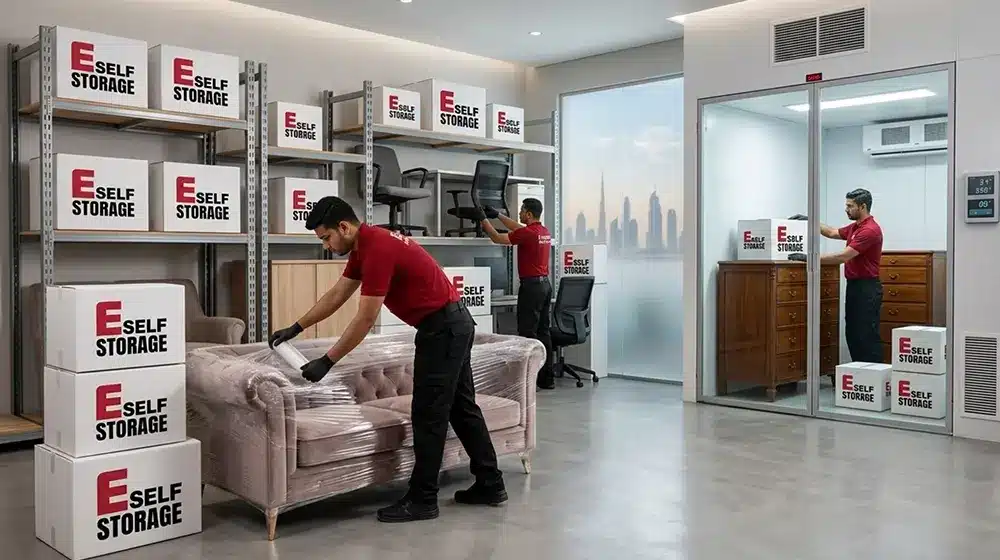
What is furniture storage in Dubai?
Furniture storage in Dubai is a secure off-site solution for keeping household or office furniture safe during moves, renovation, travel, downsizing, or seasonal space changes.
The need is practical, not temporary. Dubai’s population reached 4,248,200 at the end of 2024, according to the Dubai Data and Statistics Establishment. In a dense city with apartment living, shared workspaces, and frequent relocation, extra storage space solves a clear problem.
Furniture storage in Dubai is used for five common situations:
- Home moves
- Apartment or villa renovation
- Office relocation
- Long travel or overseas assignment
- Short-term space pressure during events or peak business periods
Why does furniture storage matter in Dubai?
Furniture storage in Dubai matters because heat, humidity, dust, and limited space create avoidable damage and clutter.
Dubai’s weather pattern includes humid periods, especially in coastal and internal areas, according to the National Center of Meteorology. Humidity matters because moisture damage affects wood, leather, fabric, and metal components. The EPA’s mold guidance states that indoor humidity should stay below 60%, ideally between 30% and 50%, to reduce mold risk.
That makes climate control more than a premium feature. It is a protection feature for upholstered sofas, wooden tables, veneered cabinets, leather chairs, and boxed décor.
What furniture can you store?
You can store most residential and commercial furniture if the items are clean, dry, and packed for stable storage.
Common furniture categories include:
- Beds, bed frames, and mattresses
- Sofas, armchairs, and ottomans
- Dining tables and dining chairs
- Desks, filing cabinets, and conference furniture
- TV units, sideboards, and bookshelves
- Outdoor furniture used only in cooler months
- Fragile décor, mirrors, framed art, and lamps
Sensitive items need extra care. The Canadian Conservation Institute notes that furniture and wooden objects are vulnerable to light, humidity, water, pests, and improper storage or handling.
How do you prepare furniture for storage?
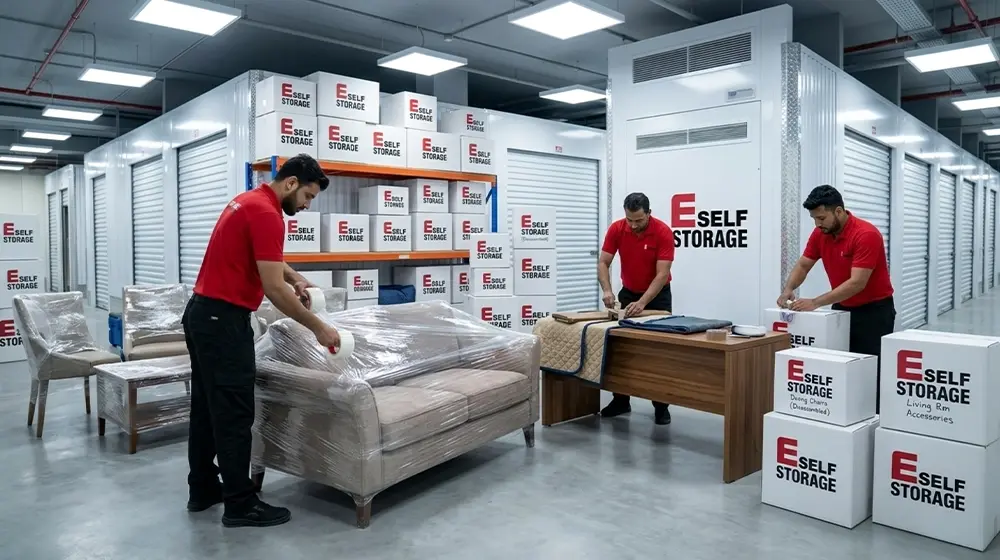
Prepare furniture for storage by cleaning it, drying it fully, disassembling large pieces, and using breathable protective materials.
Use this process:
- Clean every surface
Dust, stains, crumbs, and trapped moisture create avoidable damage in storage.
- Dry every item fully
Moisture trapped in fabric, wood joints, or cushions increases mold risk.
- Disassemble large furniture
Remove legs, shelves, glass panels, and detachable hardware where possible.
- Wrap for protection
Use moving blankets, furniture covers, cardboard edge guards, and clean padding.
- Elevate from the floor
Keep furniture off direct floor contact where possible.
- Leave airflow room
Do not pack units so tightly that air circulation stops.
The Library of Congress advises against storing valuable items in attics, basements, or garages because of poor temperature and relative humidity control and higher leak or flood risk. The Canadian Conservation Institute also shows furniture elevated above the floor and wrapped to reduce humidity fluctuation and water risk.
Which materials need climate-controlled storage?
Wood, leather, fabric, veneer, and upholstered furniture need climate-controlled storage most.
These materials react to moisture swings in different ways:
- Wood can swell, crack, warp, or loosen at joints
- Leather can dry out, harden, or develop mold
- Upholstery can absorb moisture and develop odor or mildew
- Veneer can lift or separate
- Metal parts can corrode in damp conditions
The Canadian Conservation Institute’s leather care guidance states that high humidity above 65% encourages mold growth and degradation in leather. The National Park Service reports that excessively high relative humidity above about 65% can cause mold on upholstered textiles.
Which storage type fits your situation?
The right storage type depends on storage length, item sensitivity, and access frequency.
What is short-term furniture storage?
Short-term furniture storage fits moves, renovation, handover gaps, and temporary decluttering.
This option works best when the storage period is measured in days, weeks, or a few months. It is common during apartment moves, villa upgrades, and office fit-out delays.
What is long-term furniture storage?
Long-term furniture storage fits overseas travel, downsizing, inheritance furniture, and low-use business furniture. Long-term storage needs better packing, stronger inventory control, and climate stability. The longer the storage period, the more important moisture control and regular inspection become.
What is climate-controlled storage?
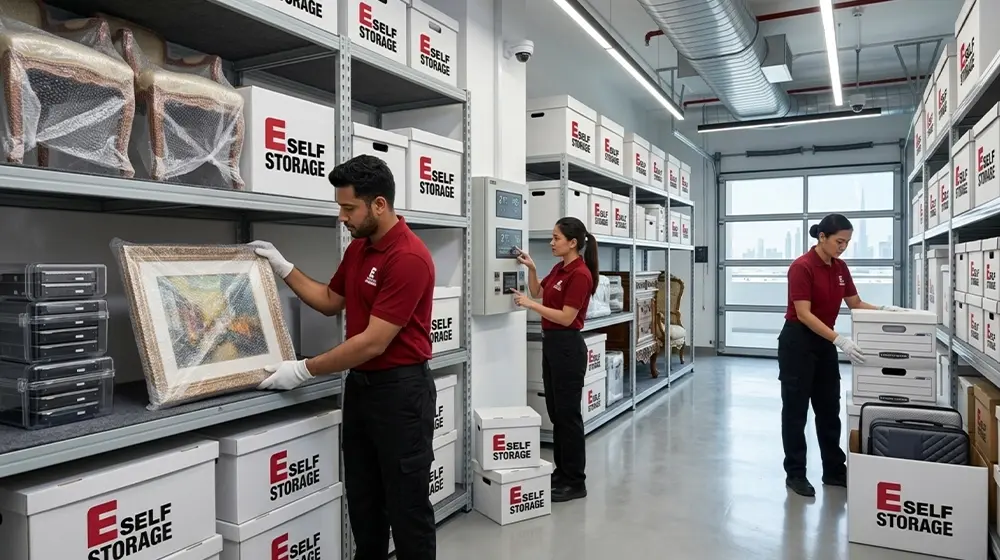
Climate-controlled storage keeps temperature and humidity more stable than standard units.
This format is better for:
- Solid wood furniture
- Leather furniture
- Upholstered seating
- Antique furniture
- Artwork and framed pieces
- Documents stored with furniture
What is on-demand storage?
On-demand storage adds pickup, return, and managed inventory to standard storage. This suits busy households, furnished property operators, and businesses that rotate furniture or event setups.
What features matter most in a furniture storage facility?
Security, climate control, access, handling quality, and inventory accuracy matter most.
Check for these features before choosing a provider:
- CCTV coverage and controlled access
- Clean units and visible pest-control standards
- Climate-controlled options
- Pickup and delivery support
- Protective wrapping and trained handlers
- Digital inventory or item tagging
- Clear rental terms and notice periods
- Insurance options or declared liability terms
The National Park Service storage handbook emphasizes proper supports, protective covers, limited handling, and stable storage conditions for preserving large objects and furnishings.
How do you choose the right furniture storage company in Dubai?
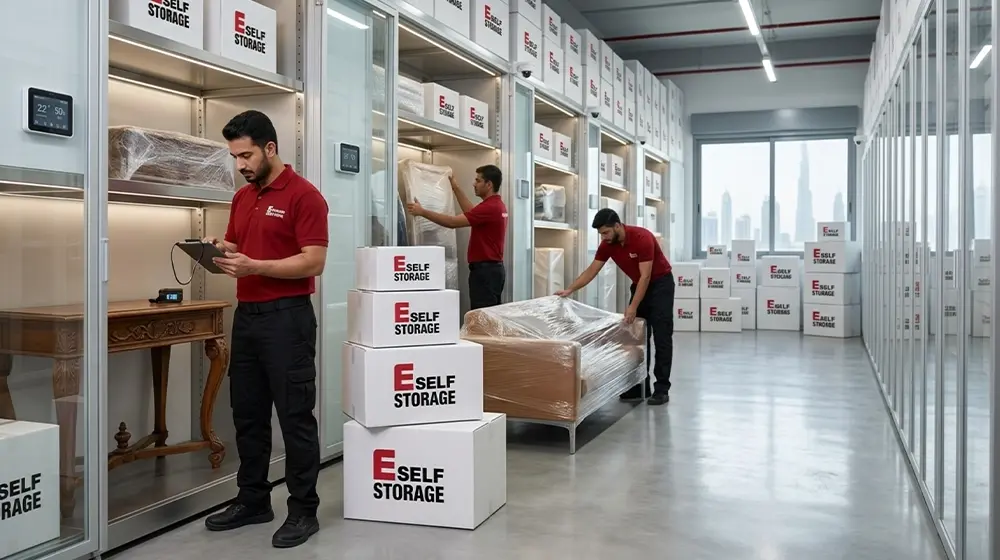
Choose the right furniture storage company by matching the unit type, protection standard, access terms, and handling process to your furniture.
Use this checklist:
- List every item before requesting a quote
- Separate fragile, upholstered, and wooden pieces
- Ask whether the unit is climate controlled
- Ask how items are wrapped, lifted, and stacked
- Ask whether pickup and redelivery are included
- Confirm access hours
- Confirm notice period and billing cycle
- Inspect cleanliness, airflow, and security
A low monthly rate is not enough. Poor wrapping, poor stacking, and poor humidity control create higher replacement cost later.
What mistakes damage furniture in storage?
The most common storage mistakes are moisture, poor wrapping, overstacking, and storing dirty furniture.
Avoid these errors:
- Storing damp furniture
- Wrapping wood or fabric in non-breathable plastic for long periods
- Placing heavy items on sofas or mattresses
- Leaving drawers full during lifting
- Storing furniture directly against walls with no airflow gap
- Ignoring leather and upholstered furniture humidity needs
- Using low-grade boxes for fragile accessories
The EPA and Library of Congress both stress moisture control and stable environmental conditions as core protection principles.
Final words
Furniture storage in Dubai protects space and preserves furniture when the unit, packing method, and climate standard match the material and storage period.
That is the core decision. Store furniture only after it is clean, dry, wrapped correctly, and matched to the right storage environment. Dubai’s heat, humidity, and dense living pattern make that step practical, not optional.
FAQs about furniture storage in Dubai
The best way to store wooden furniture in Dubai is to clean it, dry it fully, wrap it with breathable protection, and place it in a climate-controlled unit.
Climate-controlled units are worth it for wood, leather, upholstery, antiques, artwork, and any furniture stored for more than a short period.
You can store office furniture in self-storage if the unit has enough space, secure access, and proper protection for desks, chairs, and filing systems.
Furniture can stay in storage for months or years if it is packed correctly, kept dry, and checked under stable environmental conditions.
Humidity damages furniture by encouraging mold, warping wood, weakening adhesives, and degrading leather and fabric.
Sofas and mattresses belong in a clean, dry, well-ventilated unit, and climate control is safer in humid conditions.
Pickup and delivery reduces handling errors, saves time, and helps with bulky items such as beds, dining tables, and sectional sofas.
Do not store wet furniture, food, perishables, flammable materials, or prohibited items listed by the facility.
Hayyan is a logistics veteran with over 15 years of experience in facility management and spatial optimization. He specializes in warehouse security, climate-controlled storage protocols, and the technical logistics of large-scale moving. His focus is on helping clients maximize their square footage while ensuring the long-term preservation of their inventory and belongings.
Thuraya is a specialist in home organization and residential transition management. With a background in interior space planning, she helps individuals navigate the complexities of downsizing and relocation. She provides expert advice on packing fragile items, choosing optimal storage unit sizes, and turning the stress of moving into a seamless, organized experience.
 Appliances Storage
Weekend Homeowners in Ajman: Seasonal Storage for Furniture and Appliances
Written by Hayyan Al-Jasmi | Reviewed by Thuraya Al-Mansoori | Published on December 16, 2024 | Updated on April 16, 2026 Seasonal storage for…
Read More Furniture Storage
Furniture Storage During Villa Renovation in Sharjah: Step-by-Step Plan
Written by Hayyan Al-Jasmi | Reviewed by Thuraya Al-Mansoori | Published on December 16, 2024 | Updated on April 16, 2026 Furniture storage during…
Read More Furniture Storage
Climate Controlled vs Standard Storage in Sharjah: Cost Benefit for Furniture
Written by Hayyan Al-Jasmi | Reviewed by Thuraya Al-Mansoori | Published on December 16, 2024 | Updated on April 16, 2026 Climate controlled storage…
Read More